
Editorial
Dear Readers
Dear readers
Model aviation offers a wide range of recreational and hobby activities, more so than almost any other hobby. Everyone has the opportunity to tailor “their” model aviation experience to their own specific needs, abilities, and financial and time constraints. In many areas of model aviation, one could therefore speak of a distinct individualism that gives everyone the chance to develop personally according to their own wishes—or, as we so nicely say today, to realize their full potential!
But model aviation also has another side: Model aviators can—if they so choose—join forces with like-minded people. Through shared expertise, shared experiences, and so on, connections can form that may develop into friendships and often last for half a lifetime or even a lifetime. In addition to these very personal friendships and connections, however, there is also the possibility of joining a more formal organization—I’m referring to the model flying club, the regional model flying association, and ultimately our umbrella organization, the AeCS. Here, too, anyone who wishes to do so can take on a wealth of additional responsibilities. There is no shortage of work in the administrative, technical, and personnel areas that needs to be done, and everyone can develop here as well, according to their abilities. Each model flying club, in turn—just as the individual did before—can shape its focus according to its own needs. While camaraderie, a friendly atmosphere, and shared model flying experiences take center stage for some, for others it might be sport in the truest sense of the word. I also know groups that invest a large part of their energy in youth work—another area where model aviators can serve as youth workers, activity leaders, and instructors. Since the trend toward organizing into model flying clubs will persist as long as model flyers have to fight for their basic necessities—especially flying fields— some model aviators eventually “end up” in one of our clubs without really wanting to and without fully realizing that they must integrate into a community. This is one of the reasons why leading a model flying group places significant demands on its members. Fostering understanding and building bridges between those who take on an enormous workload for their group and those who merely wish to consume a club’s services places high demands
particularly in terms of tolerance; without it, our diversity and our deliberately cultivated individualism could become the greatest liability the model aviation movement has ever faced. If some blame the airfield problem solely on competition pilots, or if others mock the Sunday flyers; if one model aviation category arrogantly elevates itself above another and falls into the misconception that only its discipline is interesting and of paramount importance to the world, then all of this contributes to our much-vaunted versatility actually becoming our own undoing. Time and again, I encounter arrogance and often boundless overconfidence. There are model aviators who have competed with some success in a few contests here and there and now already believe the world is just waiting for them and their whole “circus.” I believe that a little more humility is urgently needed and would do no harm to anyone. (This was presumably also the opinion of a former team leader when he used the word “circus” in this context. Let’s hope he remains true to himself and doesn’t fall for the allure of competitive spectacles, thereby completing the transformation from director to theater manager without even being fully aware of it.)
I have fond memories of a press conference held during a model-building exhibition at the Glatt Center. Once again, I couldn’t say no, so one evening I sat —instead of doing something more sensible for myself—as a representative of model aviation, sitting at a table with other model builders next to the center’s management, trying to provide some information in a few short sentences about model aviation, its challenges, and the AeCS. After my remarks, the person sitting next to me took the floor as a representative of model boat builders, specifically RC sailing yachts. According to his profile, he is the European champion in this class. Since I’ve always had a soft spot for shipbuilding and was active in it myself during my youth—I still dream of a Mississippi steamboat—I listened with interest to the remarks of the mini-yacht captain. He began by trying to explain why “his” hobby is not well known to the general public. He attributed this to two factors, which I’ll summarize here as follows: Model sailing yachts are completely silent and therefore less talked about than noisy model aircraft! Second, in his field, not everything can be bought ready-made, as is the case with model airplanes. This fact makes yacht building financially less attractive than model airplane building, since there are fewer commercial
interests driving it... Well, take a moment to relax and think about what actually happened with our dear fellow hobbyist. He did something that, in my opinion, happens far too often even among model aviators: for entirely personal reasons, this man was unable to showcase the beauty and value of his undoubtedly fascinating hobby at this press conference. To do so, he had to resort to a frequently used tactic that assumes his own cause will look better if he first disparages others—especially his competitors. This is, in other words, an attempt to make a name for oneself by dragging others through the mud. If this model shipbuilder were not only a European champion and had kept pace with his personal development, none of this would be necessary. He would accept model aviation alongside his own sport—which, after all, is responsible for its own problems—and we would take model shipbuilding seriously and acknowledge its achievements, which I find somewhat more difficult to do under these circumstances. Why are there RC aerobatic pilots who believe they are the very best (often even those who don’t fly themselves), scale model specialists who view everything else as underdeveloped; free-flight enthusiasts who, whenever a problem arises in model flying, stereotypically blame the radio controls, and so on. I often experience the same thing in my work on the committee: If a committee member steps down, whether voluntarily or involuntarily, their successors often can’t resist emphasizing what a mess their predecessor left behind and how they’ll do everything better now... They themselves only realize much later—if at all—that the merry-go-round keeps turning and that someone will come after them who, of course, will do everything even better. Which will lead to our organization being absolutely perfect in one of the coming generations. The only question is, at whose expense, and whether we’ll still be able to breathe freely in the process.
As you can see, I’m coming back to that character trait I previously described as humility—the opposite of arrogance and overconfidence. I constantly recognize the enormous knowledge—even down to a scientific depth—that individual model aircraft enthusiasts possess in the fields of fluid mechanics, electronics, data processing, plastics processing, structural analysis, and so on. When appropriate, I try to bring these experts on board for important collaborative tasks, because doing so doesn’t diminish my standing in any way. However, I also expect them to know their limits and not to meddle in areas where others also possess an enormous
wealth of knowledge and experience, but instead to muddle through like amateurs. For this often leads to a situation where decisions are no longer based on the facts but stem from personal interests. That said, I still prefer clear personal interests to the widespread fear of what is good, of the expert, and of the perfectionist; for this fear is destructive—unlike genuine interest and motivation. Why can’t so many people admit that there can simply be better people in every field—those who stand out from the vast crowd of mediocrities? They’re people, too! Or do we want everyone to be equally good—or equally bad? As we all know, trees don’t grow to the sky. No one can do everything—and, please never forget: Where there is light, there is also shadow! But how far would we get if our society focused solely on the shadows when it comes to all great figures? If we want to accept the light and benefit from what is good, we must also be able to live with the shadow. That’s why we must be much more willing to accept—even from truly capable people who are committed to the greater good—unpleasant situations, criticism, and, now and then,
. On the other hand, we need to take armchair critics, paper tigers, eloquent speakers without the necessary background, and opportunists less seriously—which would make many things easier for us.
Sincerely,
Emil Ch. Giezendanner
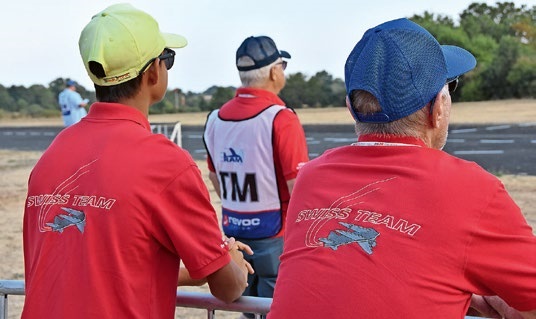
TEAM MANAGER "THIS" BOSSHARD
 Rodito Nussbaumer
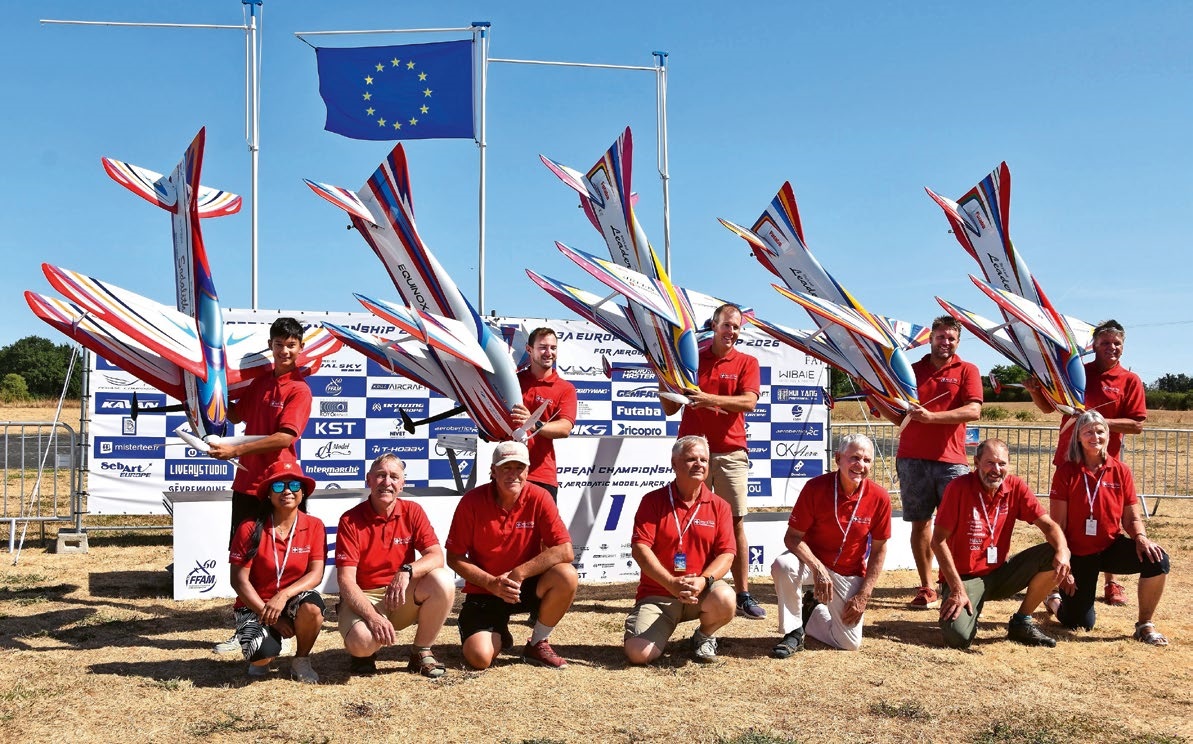
F3A EUROPEAN CHAMPIONSHIPS IN ST-MACAIRE, FRANCE
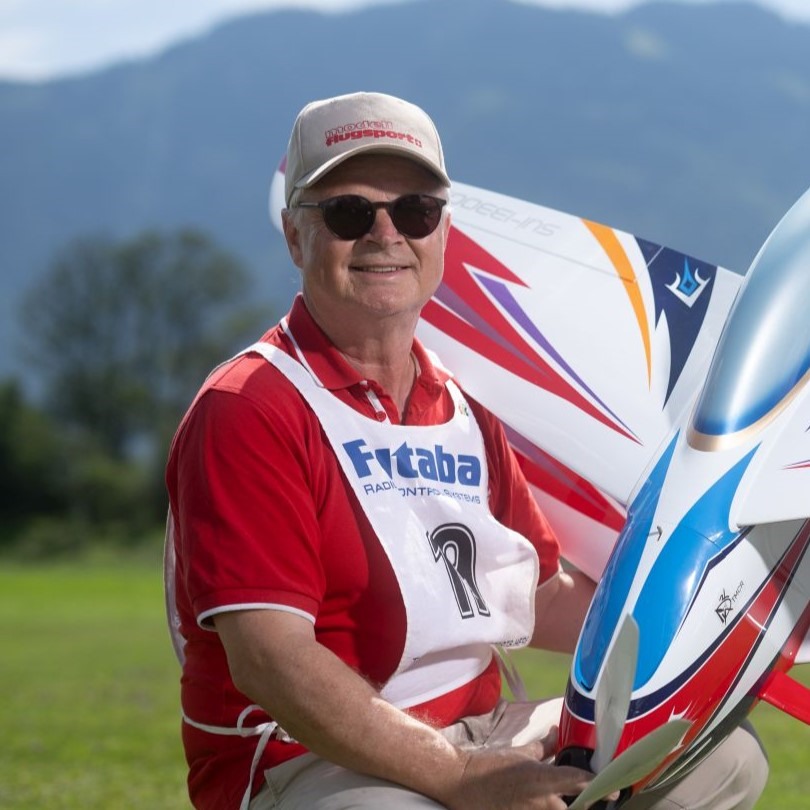 Matthias Bosshard
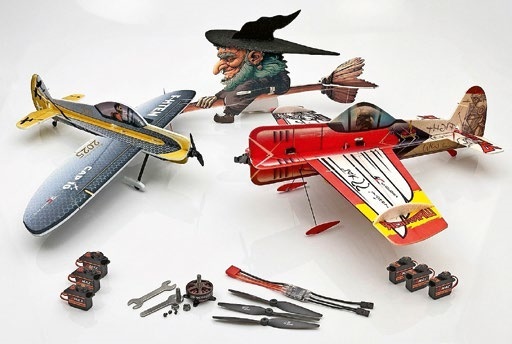
News from HEBU
YOU KNOW WHAT I MEAN? 125 YEARS OF THE SWISS AERO CLUB
 Emil Giezendanner
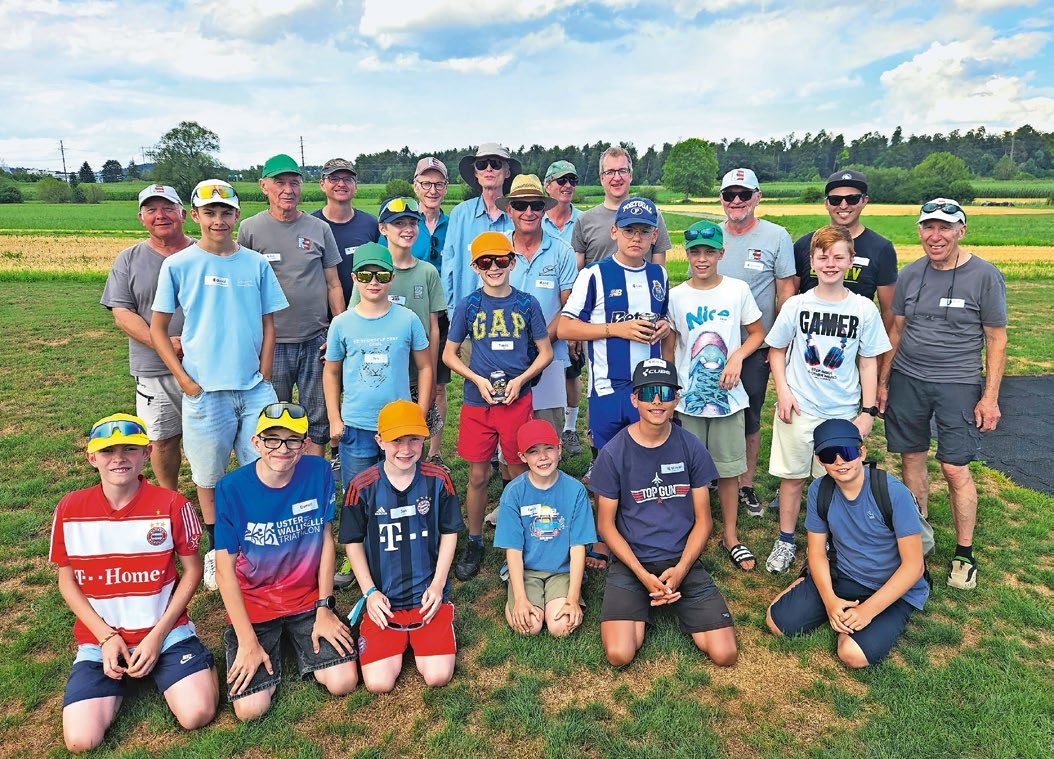
SUMMER FUN 2026 AT MG USTER
Martin Wunderli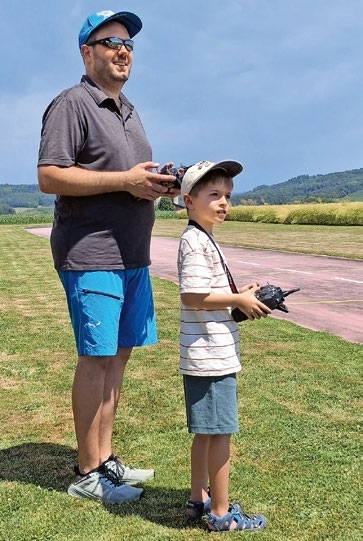
TRY-OUT DAY AT MFV WETTINGEN
Urs Keller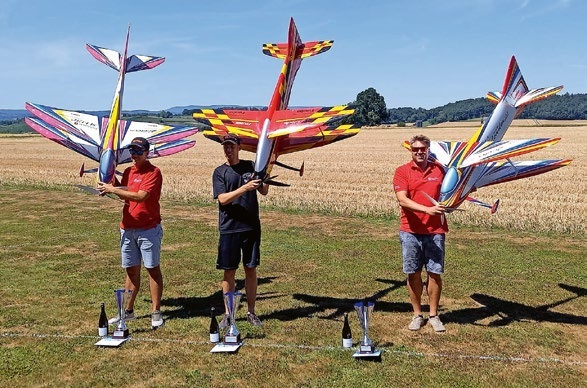
52. 2026 ALPS CUP
Emil Giezendanner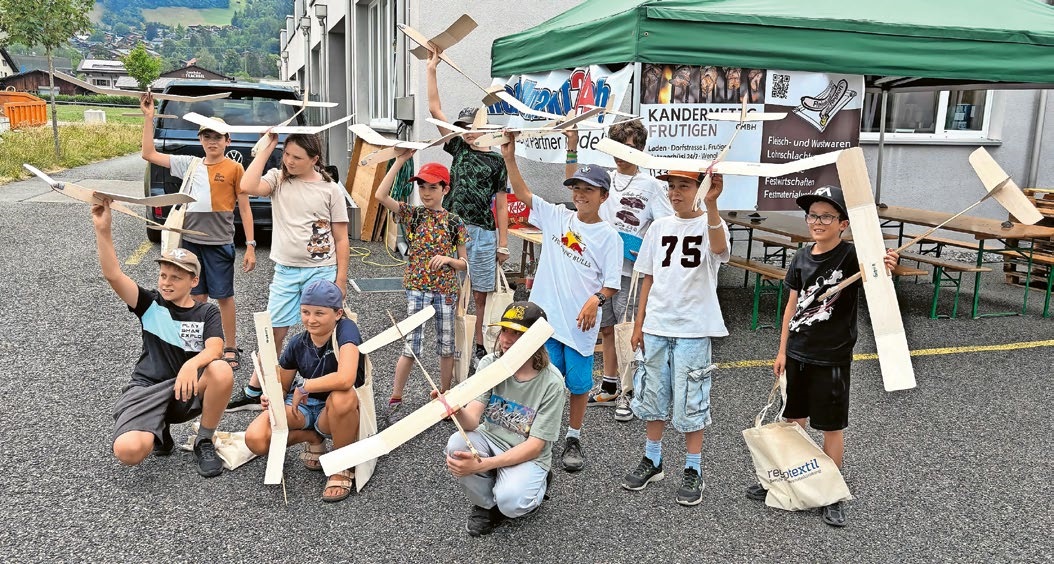
BY YOUTH, FOR YOUTH
Lorena Betschen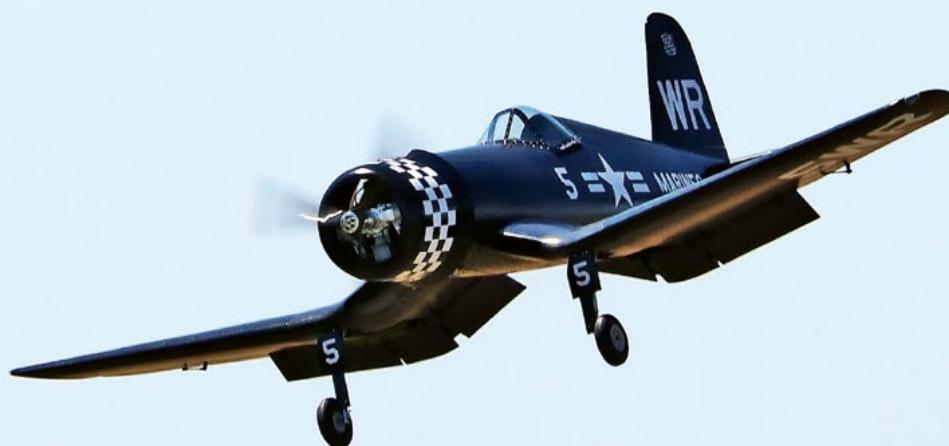
CORSAIR F4U – A WARBIRD WITH A MEMORABLE LOOK
Jürgen Rosenberger, Jürgen Prinz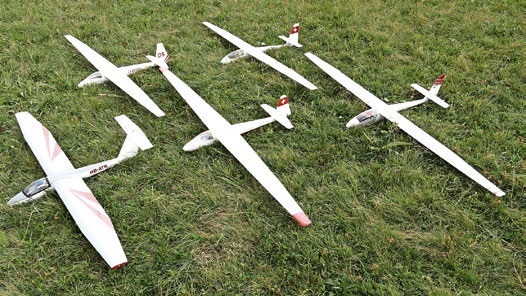
SMALL, MODEL-LIKE SAILBOATS
Res Dauwalder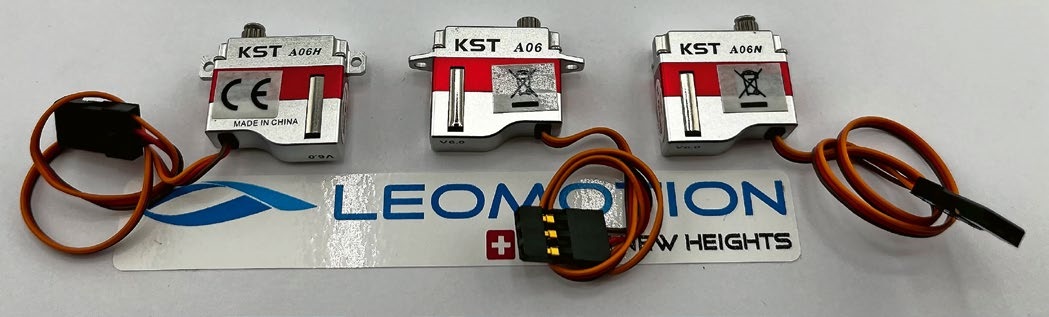
What's New at Leomotion.com
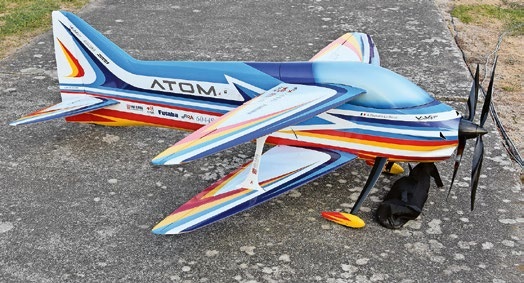
ATOM, THE NEW DOUBLE-DECKER FROM CPLR
Matthias Bosshard
INSIGHTS INTO THE HISTORY OF SEAPLANES
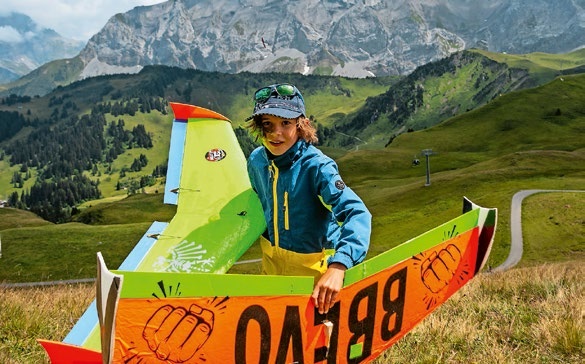
34th HAHNENMOOS ALPINE MODEL AIRPLANE CAMP
Res Dauwalder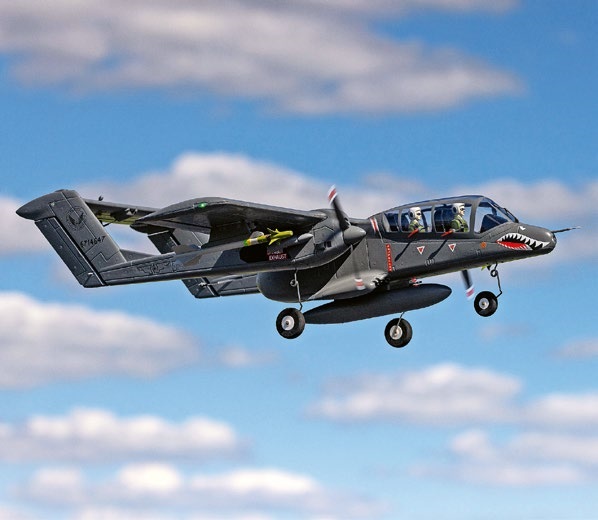
HORIZON HOBBY/LEMACO NEWS: MICRO OV-10 BRONCO 645 MM BY E-FLITE
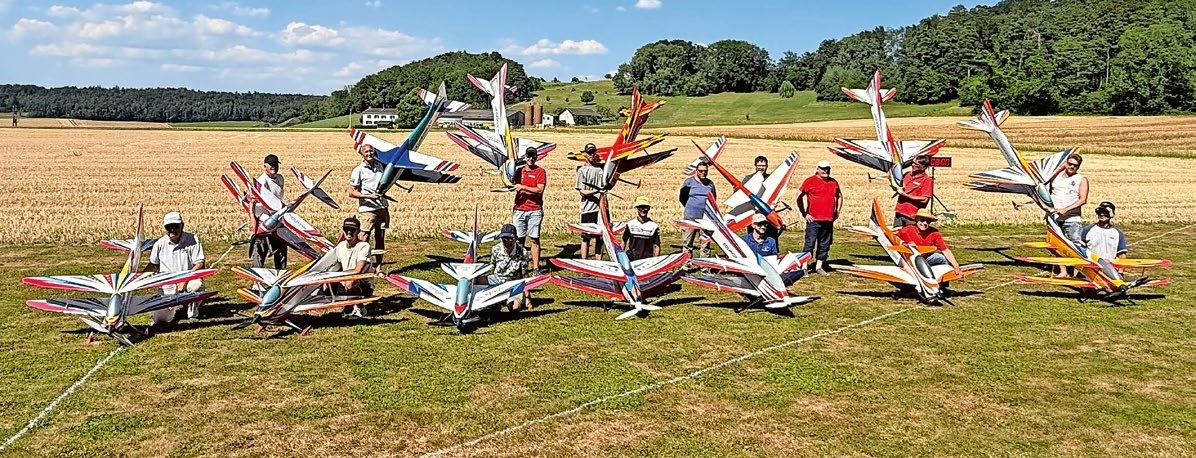
COUPE DES ALPES – OBSERVE AND LEARN
Rodito Nussbaumer
PRIDE AND GOOD IDEAS
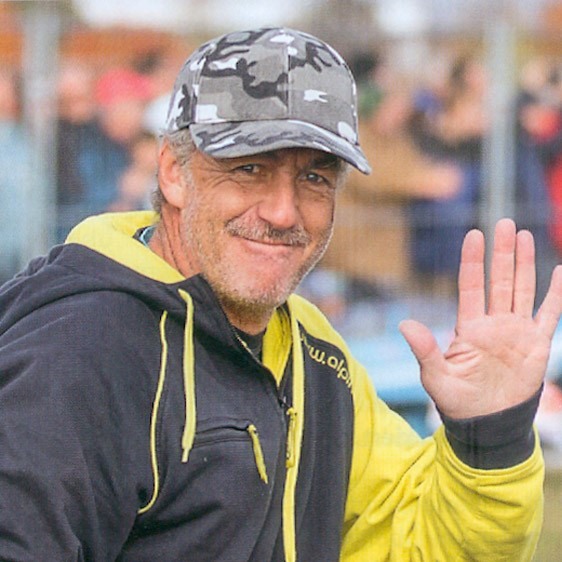 Markus Nussbaumer
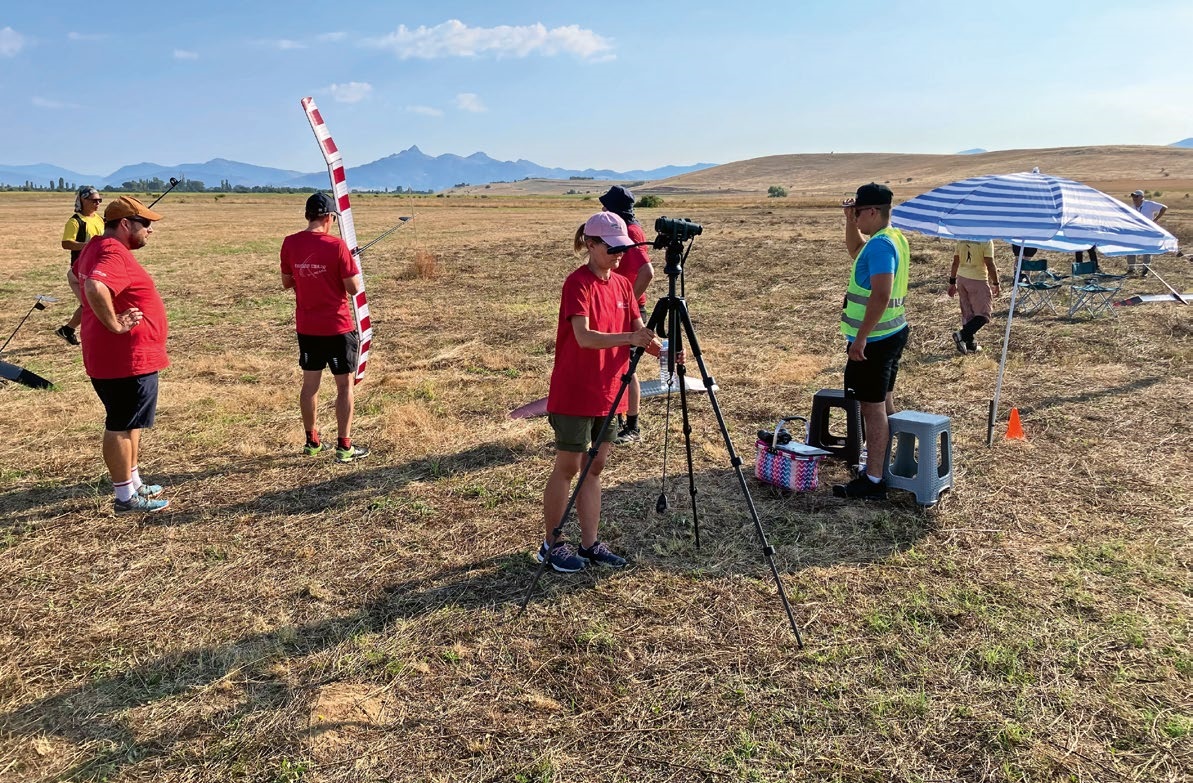
EURO CONTEST GLIDER ACRO TOUR AUSTRIA 2026
FREE FLIGHT IN THE MIDDLE OF SUMMER
Urs Muntwyler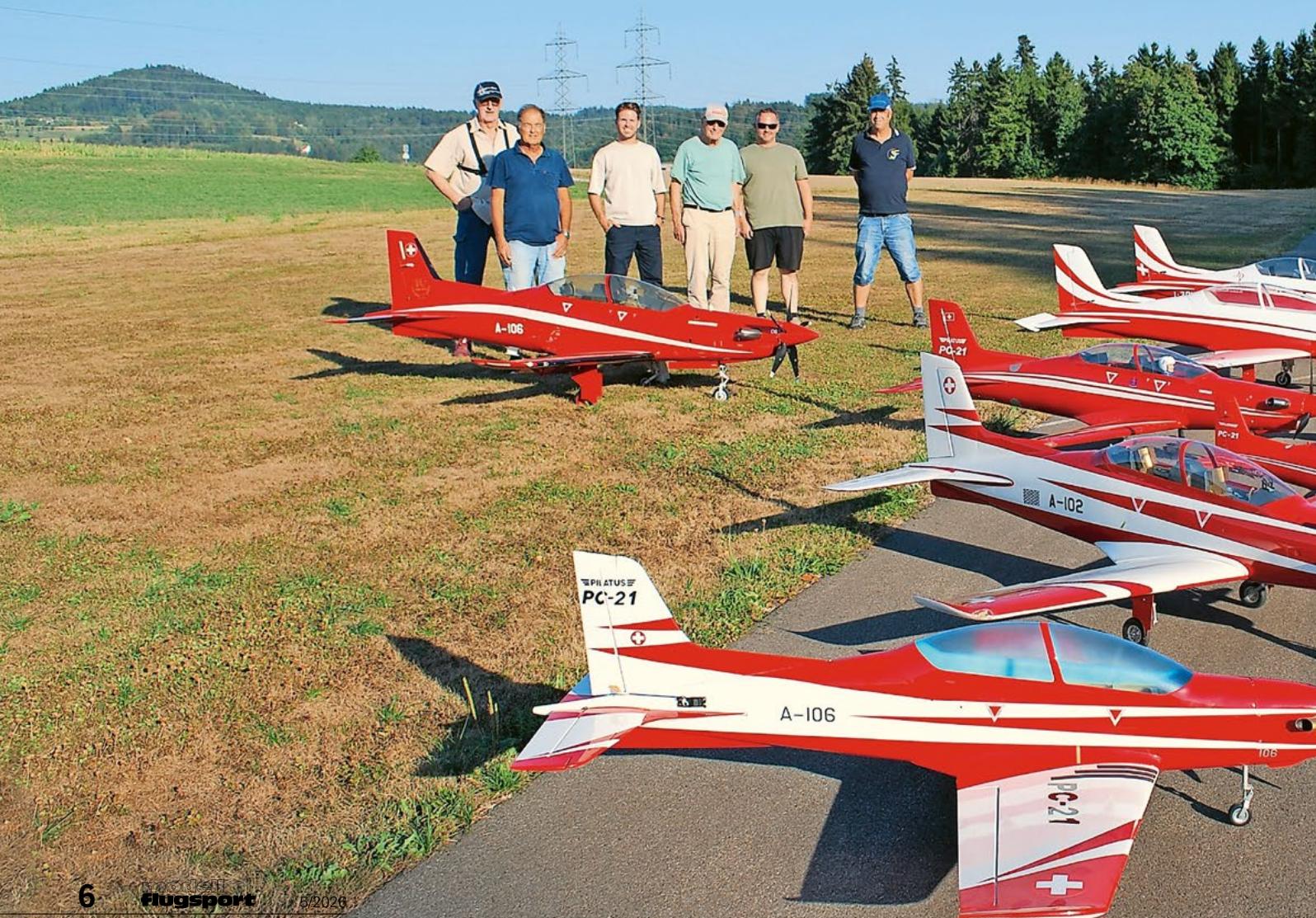
THE PC-21 STORY
Emil Giezendanner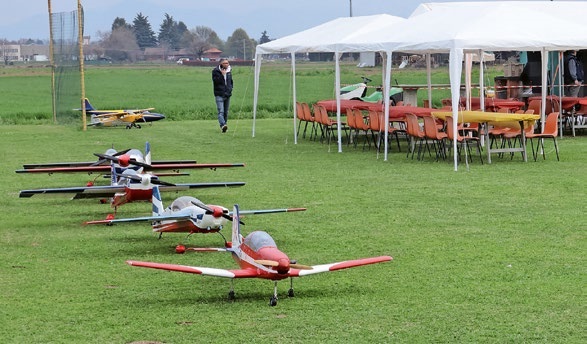
TWIN TOWN PARTNERSHIP
Wolfgang Voeller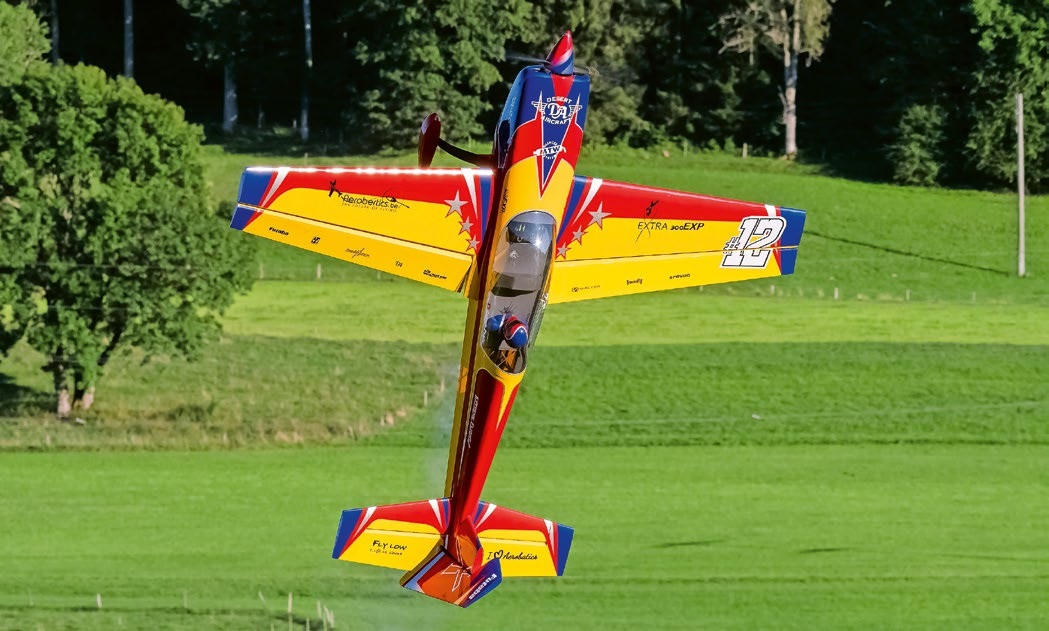
WELCOME, NEW MEMBER!
Andrea Bolliger
NEWS FROM HEBU
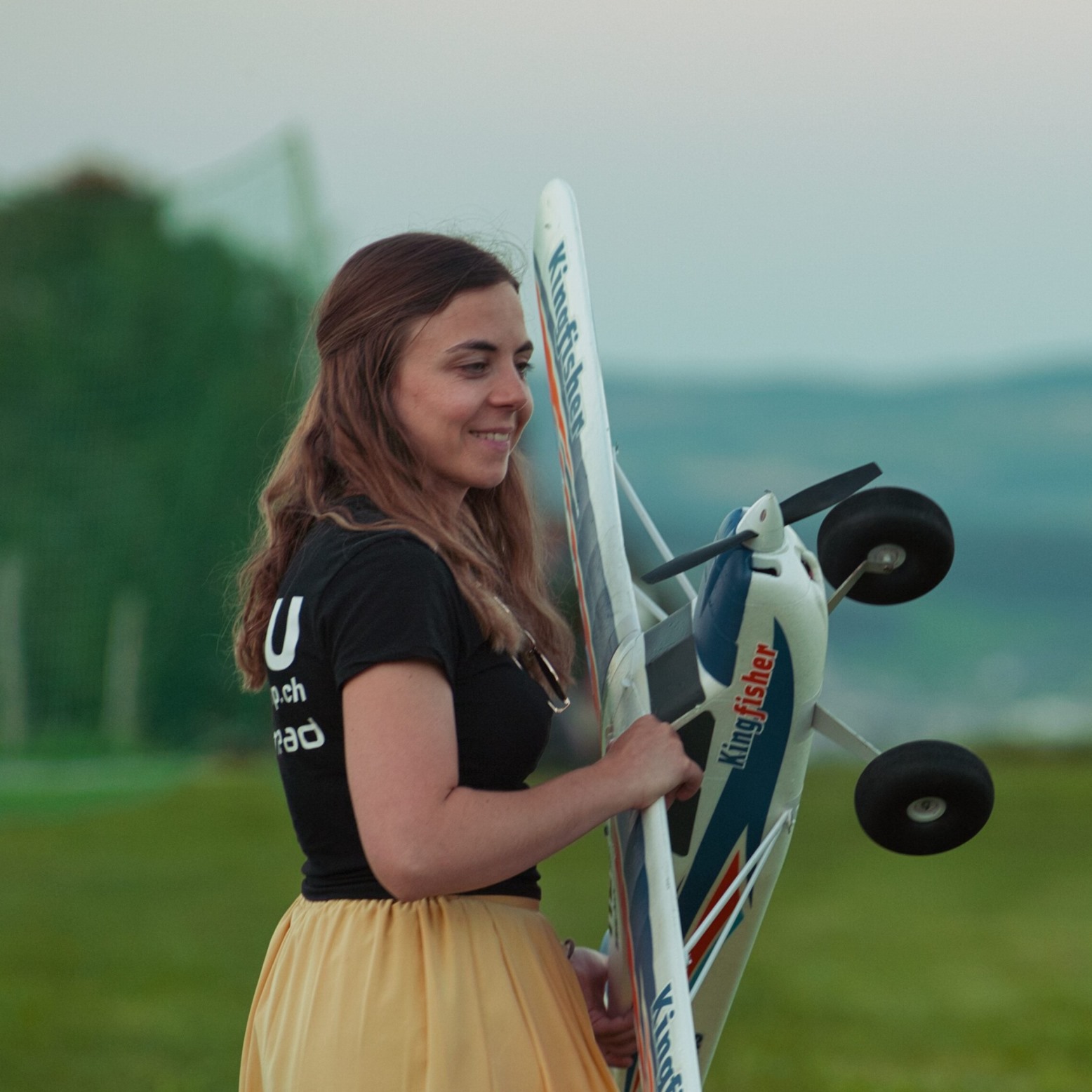 Julia Bucher
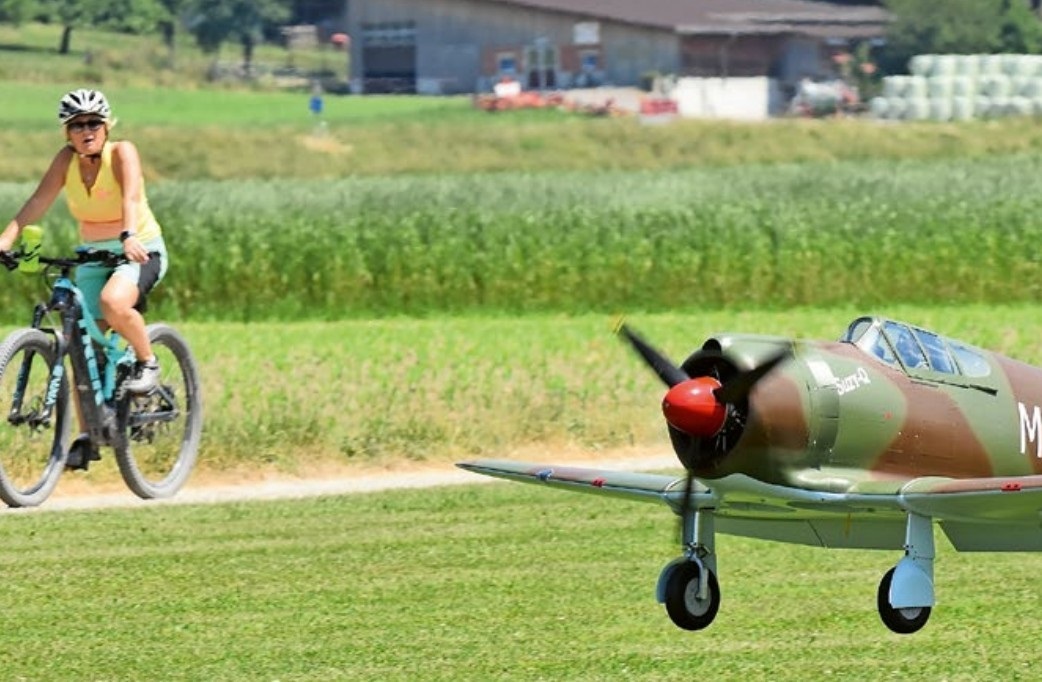
FROM 0 TO 100
Markus Nussbaumer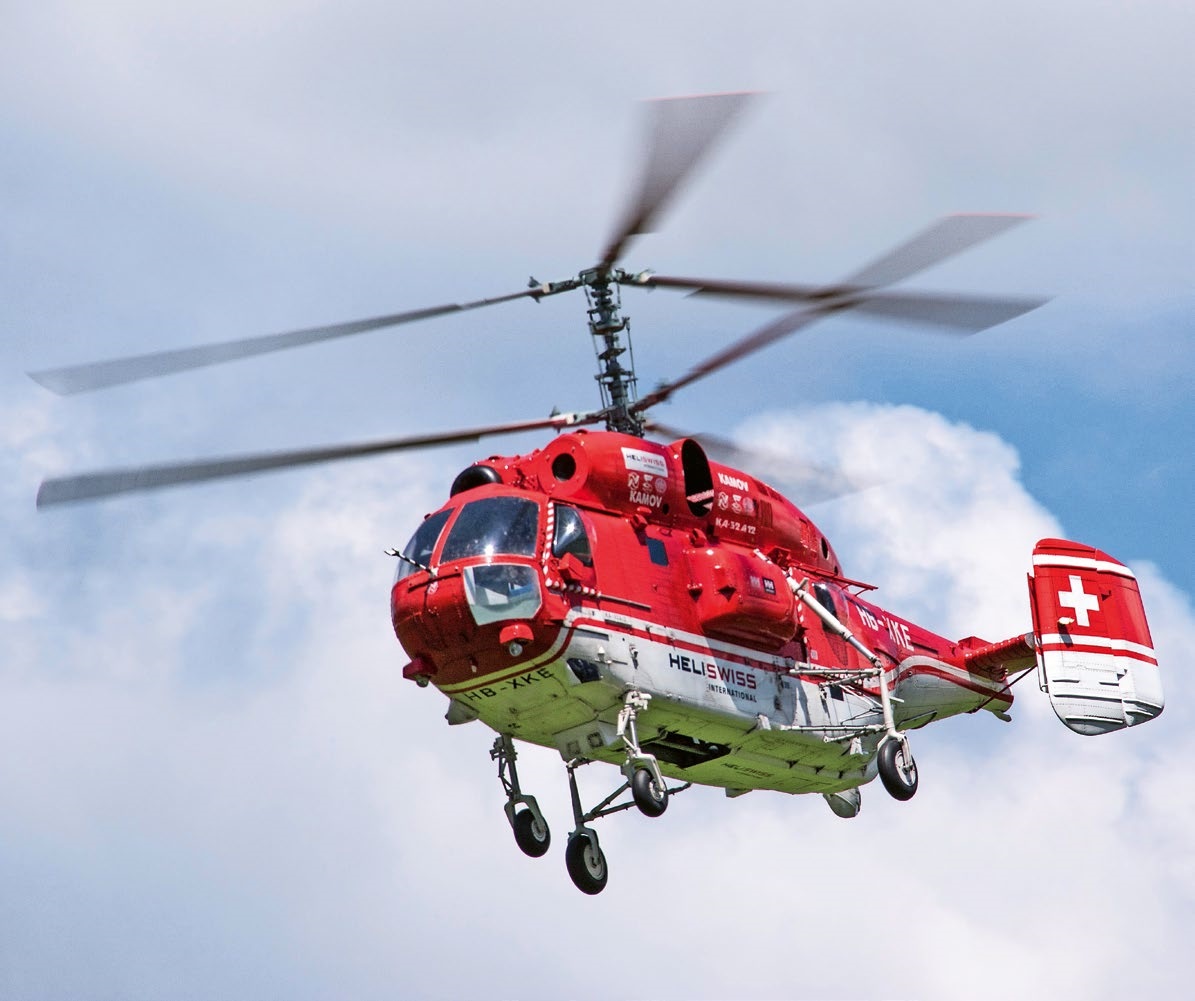
MEMORIES
Wolfgang Völler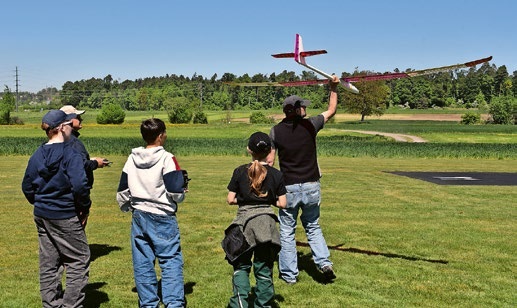
NOS REGION – A HUB FOR ELECTRIC AVIATION
Emil Giezendanner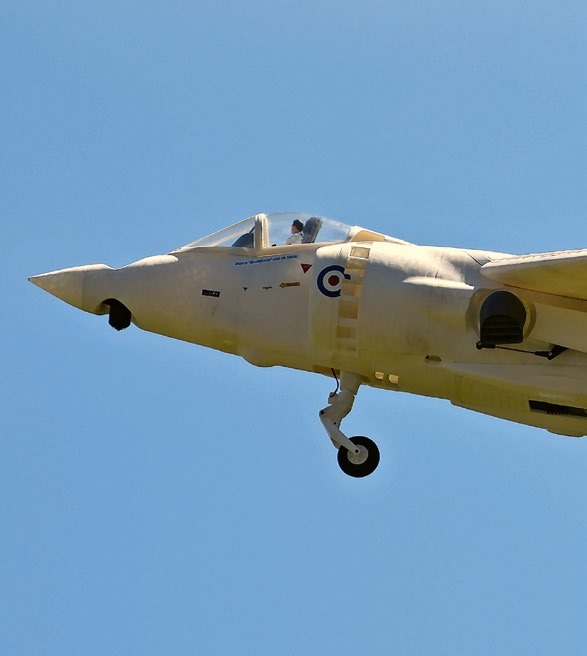
Have you almost forgotten about aircraft that take off and land vertically?
Emil Giezendanner
70 YEARS OF THE NIDWALDEN MODEL AIRPLANE CLUB
Martin Barmettler