
International Rules for RC Hill Flying (F3B Series B)
Dear Glider Pilots,
This fall, the RC Technical Commission will need to address the issue of RC slope flying. Above all, we need to clarify whether we in Switzerland also want to adopt the FAI regulations for slope flying, similar to the high-launch program. It is important for you to review these regulations, discuss them with fellow pilots, and form your own opinion.
Then comes the second step: sharing your opinion with your group and voting on it. Every MG in our region has the opportunity to submit a written opinion or comment to our regional RC head, Paul Pfenninger, so that he can represent our region’s views in the Swiss RC Expert Commission with a clear conscience. Please write (the chairperson may also delegate this task!) to
Paul Pfenninger, Hüttenacker, 8712 Stäfa.
It is essential for all gliding groups to voice their views on this issue. The famous “silent majority” helps no one, and complaining after the fact doesn’t improve our regulations either. Thank you for your cooperation.
Region 5 Model Aviation Committee.
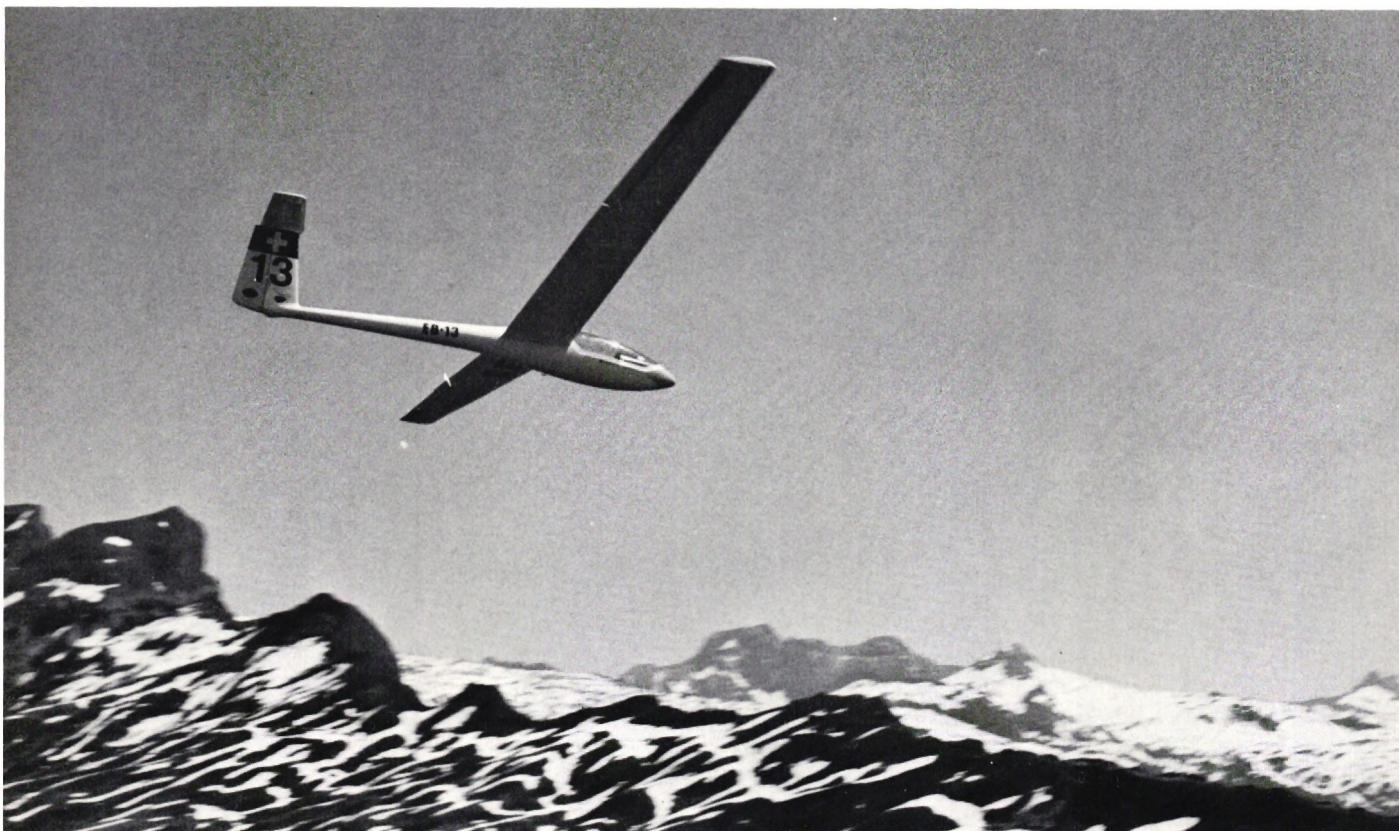
The competitor steers his model so that it flies along the slope and passes two sighting planes—spaced 100 meters apart, parallel to and at right angles to the slope—in turn. The course is marked by the organizer in an appropriate manner, e.g., with two flags at each end.
The number of complete 100-meter passes is scored together with the landing evaluation, which takes place in a rectangular field measuring 50 x 100 meters (running parallel to the slope). The corners of the landing field must be marked with flags.
The model is launched by hand by the pilot or his assistant. The launch area is marked by the organizer.
Each competitor is entitled to 3 official flights.
a For each time the distance between the two sighting planes is covered (100 m, regardless of the direction of flight), the competitor receives 25 points.
b The competitor is awarded 50 additional points if he lands his model within the marked landing area measuring 50 x 100 m.
The quality or elegance of the landing is not evaluated.
The nose tip of the model is evaluated once the model has come to a complete stop. If the nose tip is outside the landing area, the competitor receives no additional landing points.
c Only the number of passes between the two sighting planes that are fully completed within the 6-minute time limit, beginning when the model is released during a hand launch, will be scored.
d One point is deducted for every second the model flies beyond 420 seconds.
e After 420 seconds of flight time have elapsed, no additional landing points will be awarded.
a. Regardless of and in addition to Paragraph 5.3.1.7, the flight will be scored as 0 if:
aa The model is not launched within 3 minutes of receiving launch clearance;
any part of the model fails to land or return within a 100-meter radius of the landing field (250 x 300 m).
a Each competitor’s ranking is determined by adding the scores of their two best flights.
b In the event of a tie among two or more competitors for first place, the better third flight will determine the ranking. If the tie persists even then, a tiebreaker will be held to determine the winner.
The tiebreaker must take place immediately following the final flight of the championship.
The scoring of the tiebreaker flights serves solely to determine the winner for the purpose of distributing the prizes available for winning the title. The score from the tiebreaker may not be added to the results in the regular championship standings.
NOTE:
In international championships with a limited number of participants, the organizer may conduct more than 3 official flights, provided that this decision is announced before the second round is completed.
If more than 3 official flights are held, each competitor’s worst result is discarded; the remaining results are added together to determine the standings. The organizer may, at their discretion, reduce the maximum flight time to a minimum of 5 minutes. In this case, the landing will be awarded additional points if the flight time does not exceed 330 seconds (5.5 minutes).
The number of scored passes in accordance with 5.3.3.4, paragraph c, is counted over a maximum period of 330 seconds. This change must be announced before the first official start of the championship.
a The hang gliding championship must be held in an area where hang gliding is possible.
b Before the organizer marks the launch area, the landing area, and the two turning points, the organizer must ensure that the terrain conditions and wind direction are suitable for holding the championship.
Any changes to the flight course, the landing area, etc., may only be made between two rounds. Each round must be conducted and completed on the same, unaltered terrain.
c With the consent of the international jury, the championship may not be opened or must be suspended if:
ca The wind speed is less than 3 m/s or more than 20 m/s;
cb The wind direction consistently deviates by more than 45° from the direction perpendicular to the slope;
cc the terrain does not meet the specified requirements (as per 5.3.3.7. a/b) or is unsafe (hazardous) for competitors due to external factors beyond the organizer’s control (e.g., radio interference, storms, fog, etc.).
d If, as a consequence of the conditions mentioned in paragraph c, it is not possible to bring the championship to a scheduled conclusion, the organizer may cancel the championship. If the championship has begun and must be canceled after at least one completed round, the organizer may
rankings based on all fully completed rounds. In such a case, the organizer is not obligated to refund the entry fees to the competitors or to repeat the championship.
e The organizer must appoint the following officials for the evaluation of the flights:
Two judges at each sighting level to monitor the passages. One of these judges at each turn marker must give a visually visible signal as well as an audible signal indicating when the model passes the turn marker.
2 counters to count the fully completed passes for each competitor.
1 judge for the landing evaluation
In the event that multiple competitors complete their flights simultaneously (simultaneous flights), the above-mentioned number of officials must be provided for each model in the air (simultaneous).
Translation:
H. R. Schläpfer, MG Bülach 1975
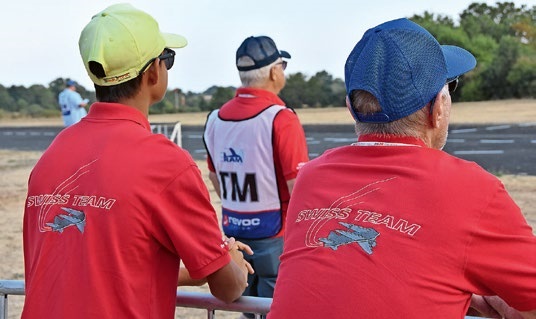
TEAM MANAGER "THIS" BOSSHARD
 Rodito Nussbaumer
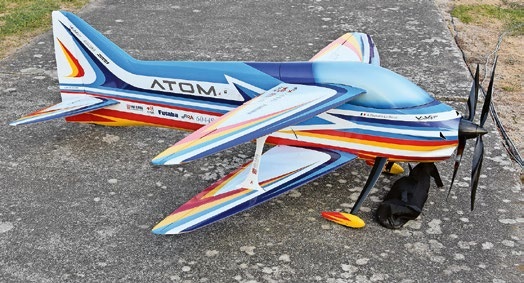
ATOM, THE NEW DOUBLE-DECKER FROM CPLR
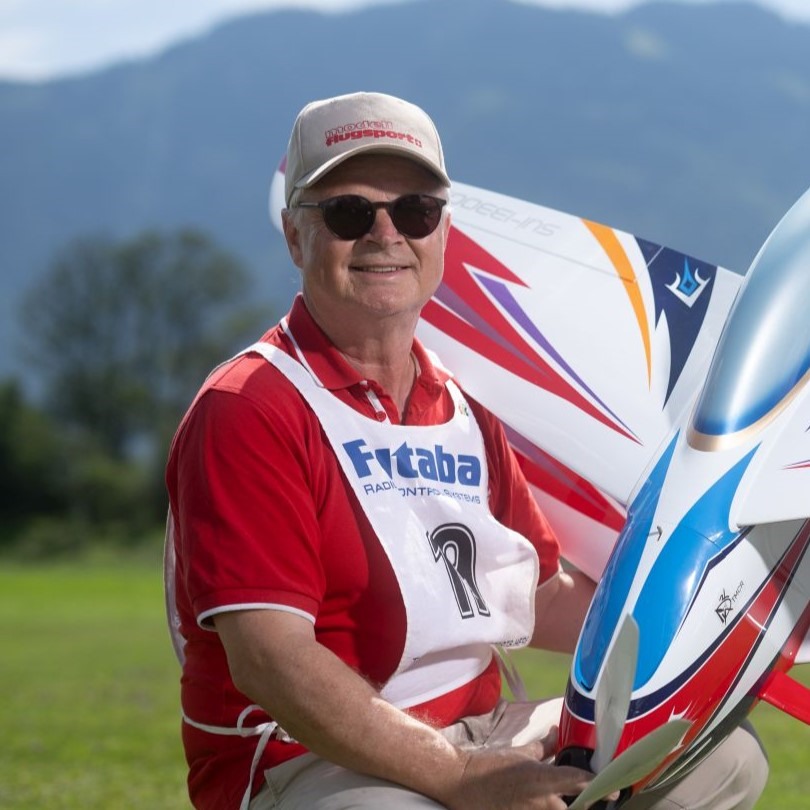 Matthias Bosshard
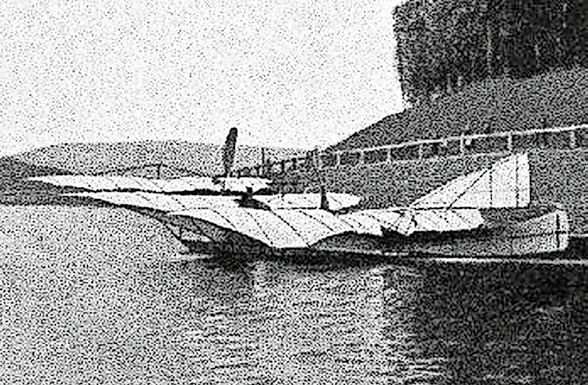
INSIGHTS INTO THE HISTORY OF SEAPLANES
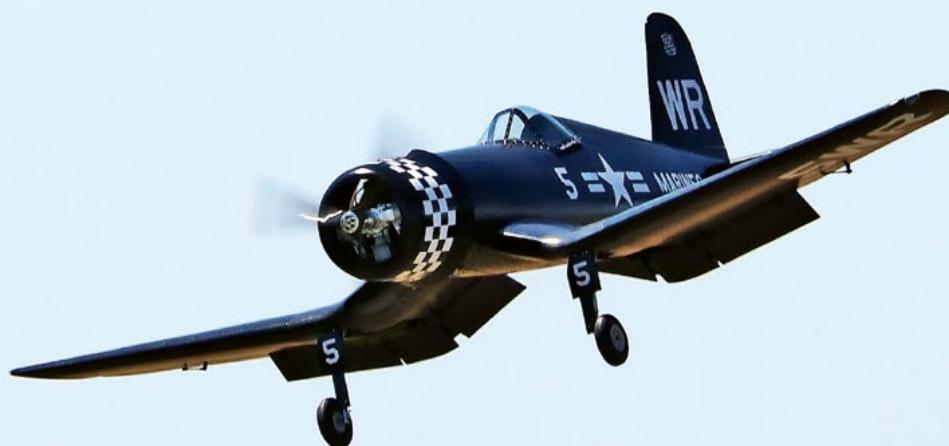
CORSAIR F4U – A WARBIRD WITH A MEMORABLE LOOK
Jürgen Rosenberger, Jürgen Prinz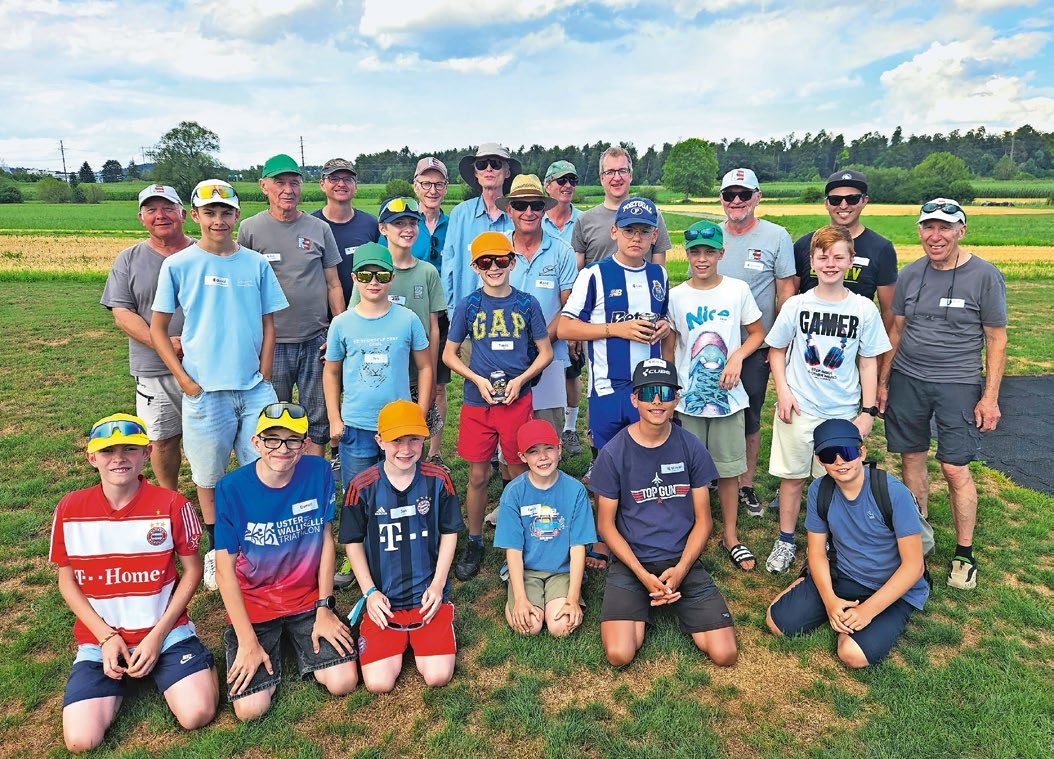
SUMMER FUN 2026 AT MG USTER
Martin Wunderli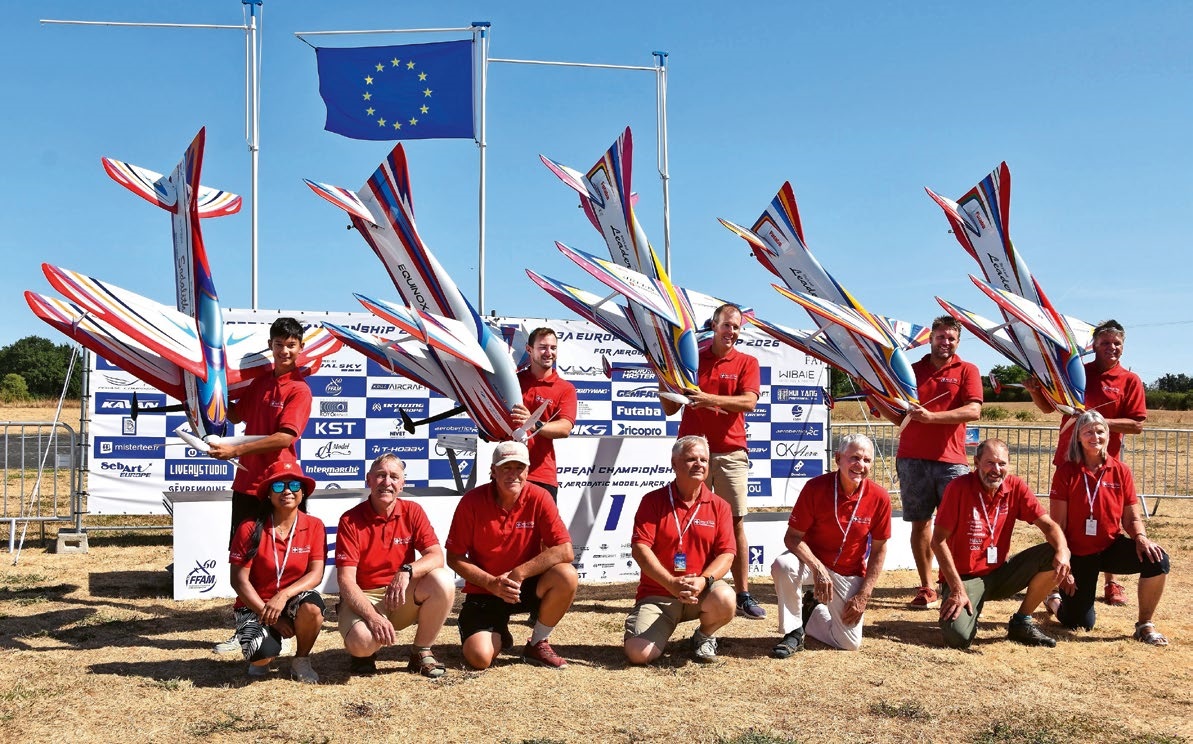
F3A EUROPEAN CHAMPIONSHIPS IN ST-MACAIRE, FRANCE
Matthias Bosshard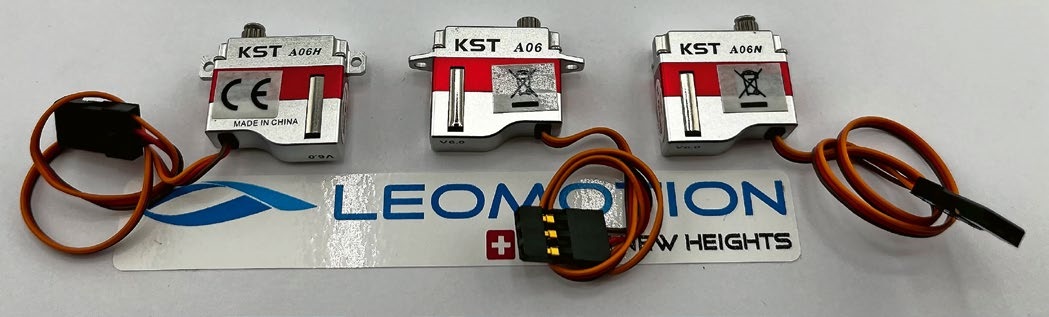
What's New at Leomotion.com
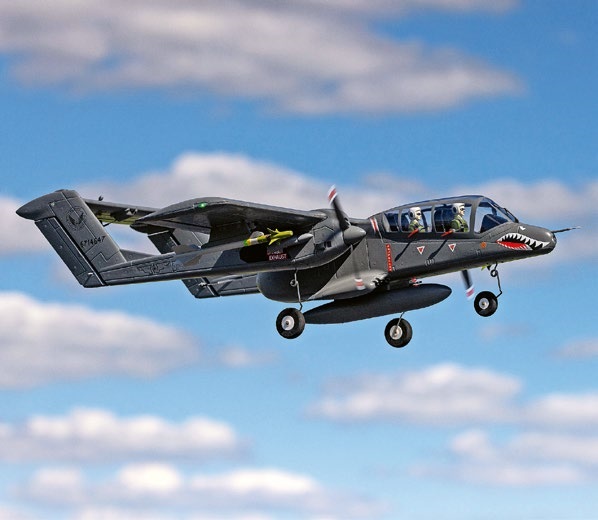
HORIZON HOBBY/LEMACO NEWS: MICRO OV-10 BRONCO 645 MM BY E-FLITE
PRIDE AND GOOD IDEAS
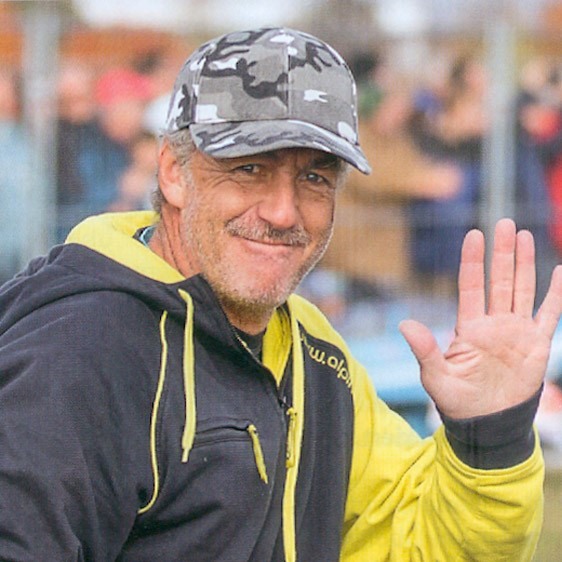 Markus Nussbaumer
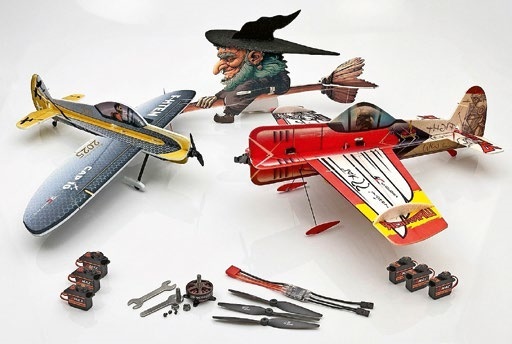
News from HEBU
YOU KNOW WHAT I MEAN? 125 YEARS OF THE SWISS AERO CLUB
 Emil Giezendanner
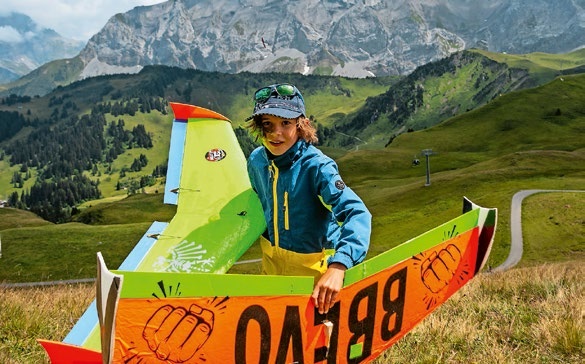
34th HAHNENMOOS ALPINE MODEL AIRPLANE CAMP
Res Dauwalder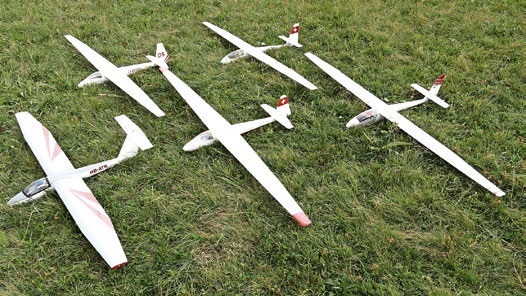
SMALL, MODEL-LIKE SAILBOATS
Res Dauwalder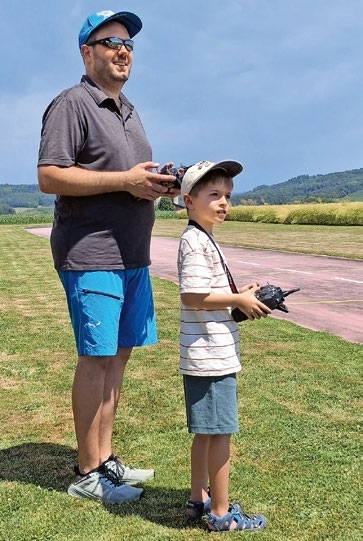
TRY-OUT DAY AT MFV WETTINGEN
Urs Keller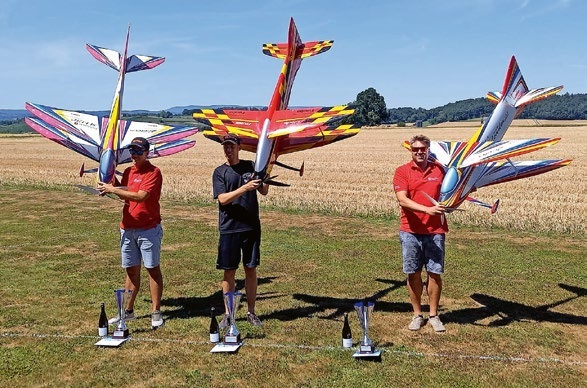
52. 2026 ALPS CUP
Emil Giezendanner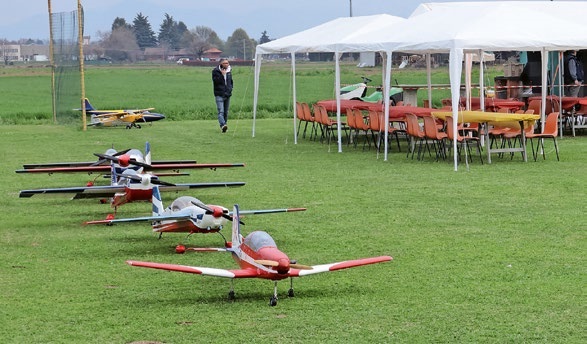
TWIN TOWN PARTNERSHIP
Wolfgang Voeller
EURO CONTEST GLIDER ACRO TOUR AUSTRIA 2026
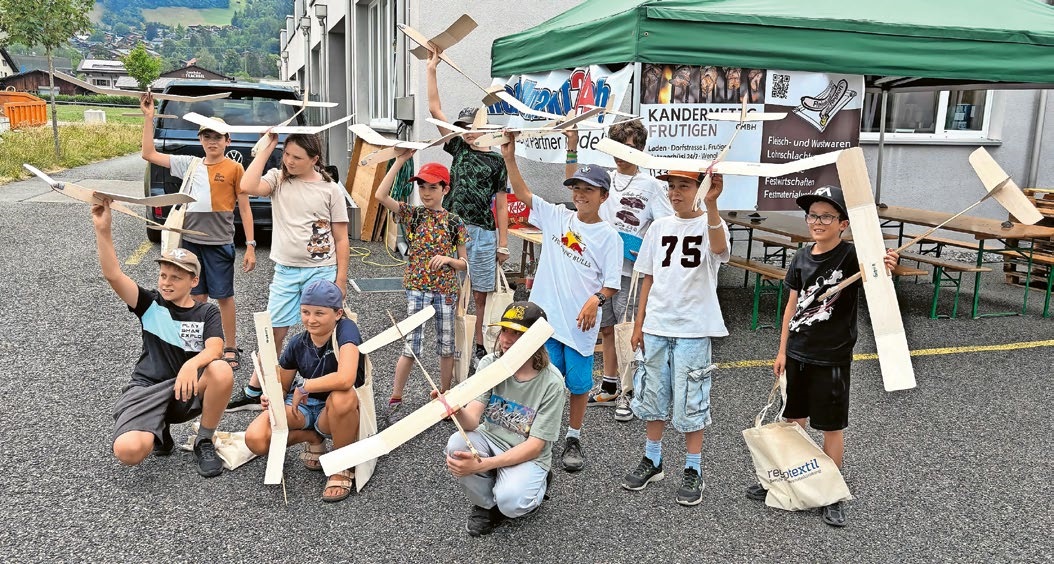
BY YOUTH, FOR YOUTH
Lorena Betschen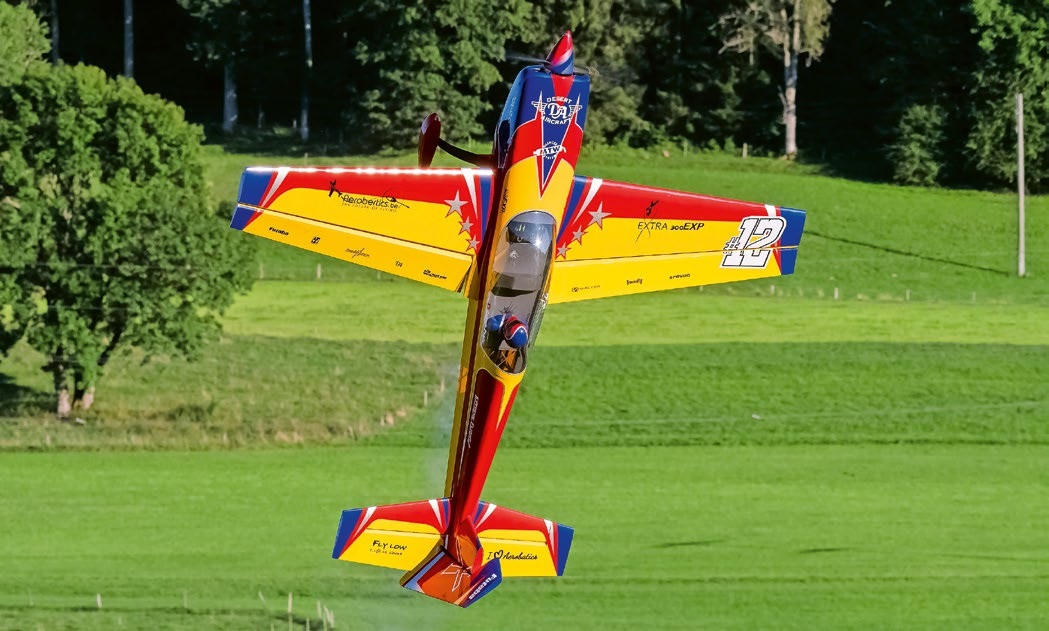
WELCOME, NEW MEMBER!
Andrea Bolliger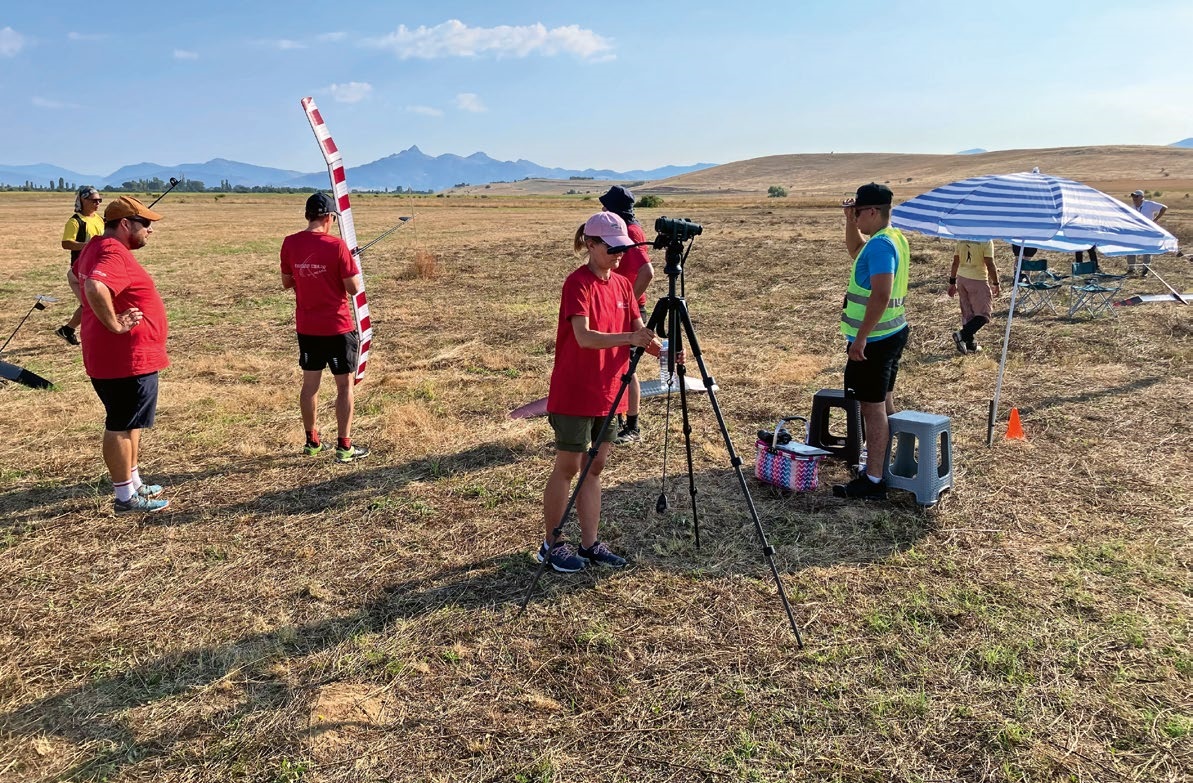
FREE FLIGHT IN THE MIDDLE OF SUMMER
Urs Muntwyler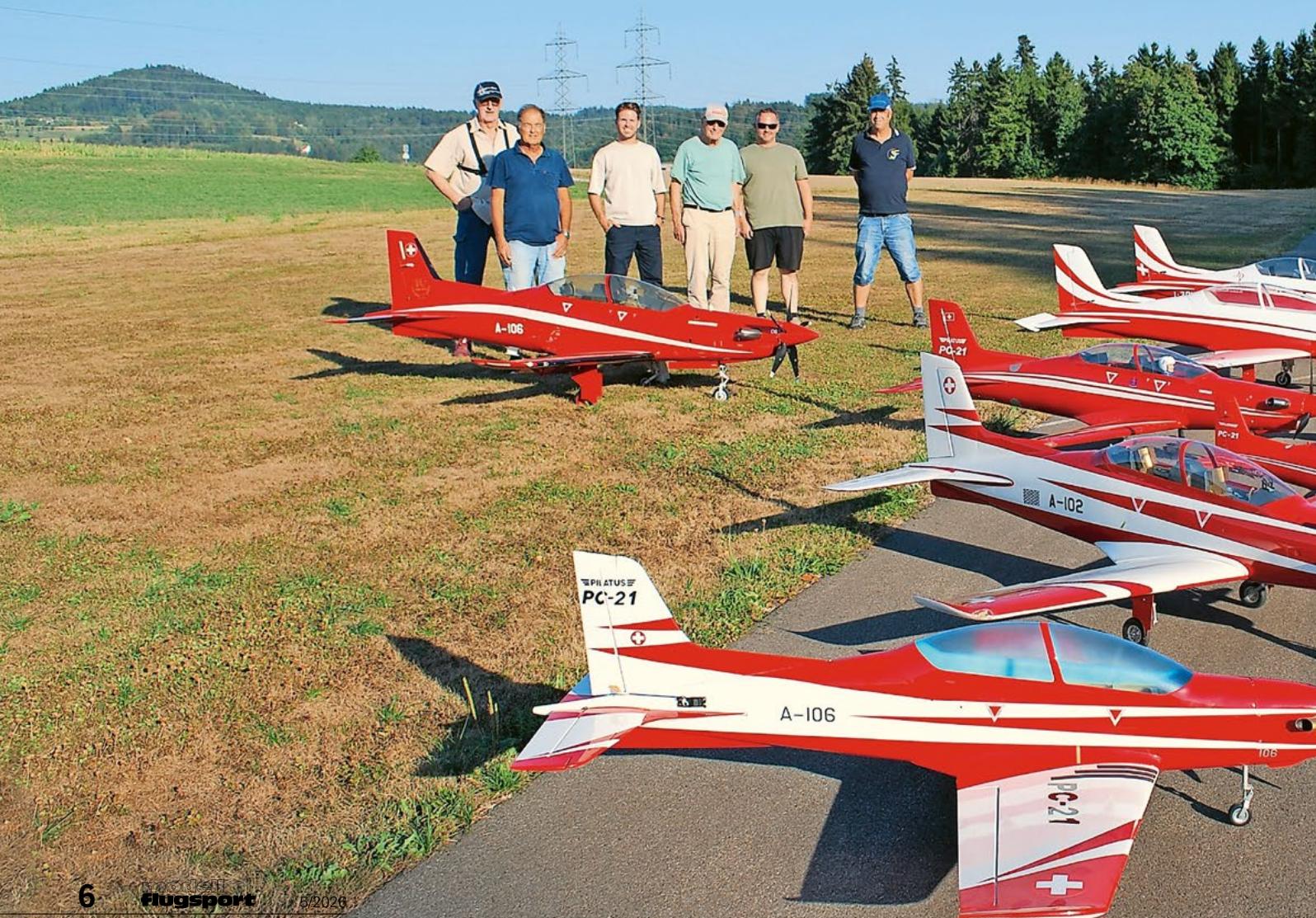
THE PC-21 STORY
Emil Giezendanner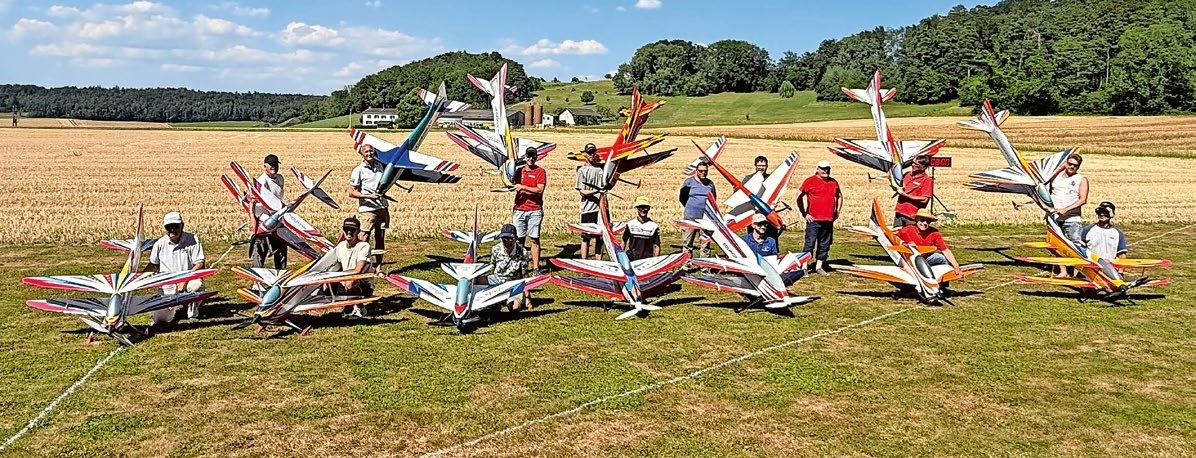
COUPE DES ALPES – OBSERVE AND LEARN
Rodito Nussbaumer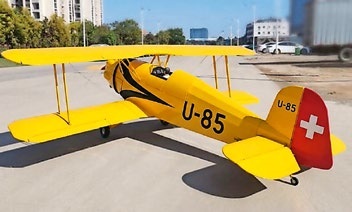
NEWS FROM HEBU
 Julia Bucher
FROM 0 TO 100
Markus Nussbaumer
NOS REGION – A HUB FOR ELECTRIC AVIATION
Emil Giezendanner
MEMORIES
Wolfgang Völler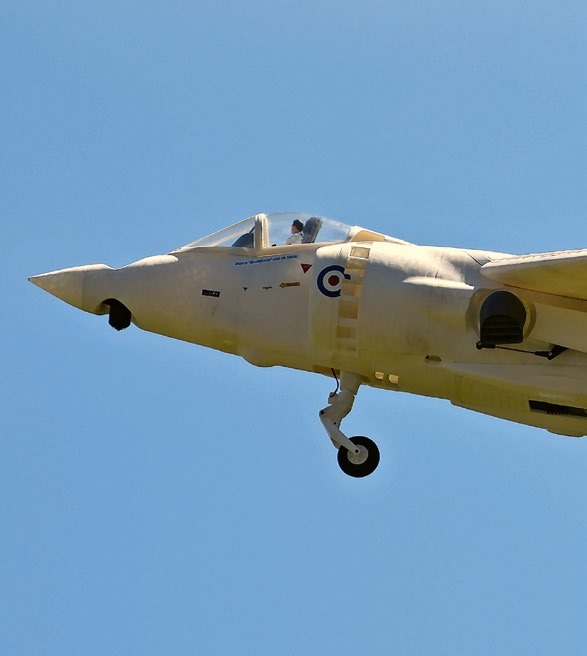
Have you almost forgotten about aircraft that take off and land vertically?
Emil Giezendanner
70 YEARS OF THE NIDWALDEN MODEL AIRPLANE CLUB
Martin Barmettler