
Nonprofit but Management, Part Two
Nothing works without balance—and not just when it comes to airplanes
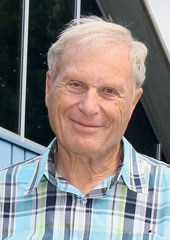
Dear Reader
Like any other organization, a club can only survive if its leadership succeeds in maintaining a balance between giving and receiving. This can mean, for example, membership dues plus active participation and input on the giving side, and benefiting from infrastructure, expert support, and camaraderie on the receiving side. Clubs are free to decide how they want to achieve this balance—whether by charging higher dues to fund various services—such as airfield maintenance—or by requiring members to contribute their time as stipulated in the bylaws. Concepts that link a member’s annual hours of work to the amount of their dues are interesting but entail a considerable administrative burden. The
balance of an organization is not a static state. On the contrary, it is unstable, especially when resources suddenly become scarce. We’ve all seen how relatively dull general meetings suddenly become lively when money is on the table. It is important that maximum transparency be maintained throughout all these discussions. In this context, flat-rate compensation is rather difficult to justify. After all, this balance only works if individual members go above and beyond the usual level of commitment, thereby compensating for the more “reserved” members. The latter, in turn, are often more “active” at meetings. Let them speak! Nor is the length of an annual report necessarily a measure of what has been accomplished. Nevertheless,
leading a sports and recreation club is one of the most interesting roles in the nonprofit sector, as actions and their impact are more immediately visible than in large organizations. I wish you every success!
Best regards, Emil
Ch. Giezendanner
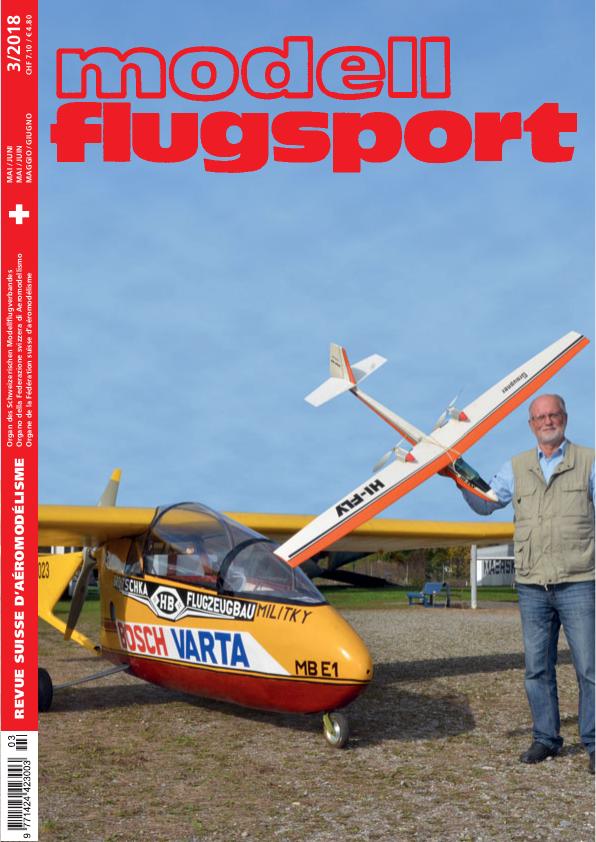

News from HEBU

TEAM MANAGER "THIS" BOSSHARD
 Rodito Nussbaumer

YOU KNOW WHAT I MEAN? 125 YEARS OF THE SWISS AERO CLUB
 Emil Giezendanner

F3A EUROPEAN CHAMPIONSHIPS IN ST-MACAIRE, FRANCE
 Matthias Bosshard

52. 2026 ALPS CUP
Emil Giezendanner
PRIDE AND GOOD IDEAS
 Markus Nussbaumer

ATOM, THE NEW DOUBLE-DECKER FROM CPLR
Matthias Bosshard
CORSAIR F4U – A WARBIRD WITH A MEMORABLE LOOK
Jürgen Rosenberger, Jürgen Prinz
SUMMER FUN 2026 AT MG USTER
Martin Wunderli
TRY-OUT DAY AT MFV WETTINGEN
Urs Keller
TWIN TOWN PARTNERSHIP
Wolfgang Voeller
BY YOUTH, FOR YOUTH
Lorena Betschen
SMALL, MODEL-LIKE SAILBOATS
Res Dauwalder
What's New at Leomotion.com

HORIZON HOBBY/LEMACO NEWS: MICRO OV-10 BRONCO 645 MM BY E-FLITE

COUPE DES ALPES – OBSERVE AND LEARN
Rodito Nussbaumer
EURO CONTEST GLIDER ACRO TOUR AUSTRIA 2026

INSIGHTS INTO THE HISTORY OF SEAPLANES

34th HAHNENMOOS ALPINE MODEL AIRPLANE CAMP
Res Dauwalder
WELCOME, NEW MEMBER!
Andrea Bolliger
FREE FLIGHT IN THE MIDDLE OF SUMMER
Urs Muntwyler
THE PC-21 STORY
Emil Giezendanner
NEWS FROM HEBU
 Julia Bucher

FROM 0 TO 100
Markus Nussbaumer
MEMORIES
Wolfgang Völler
NOS REGION – A HUB FOR ELECTRIC AVIATION
Emil Giezendanner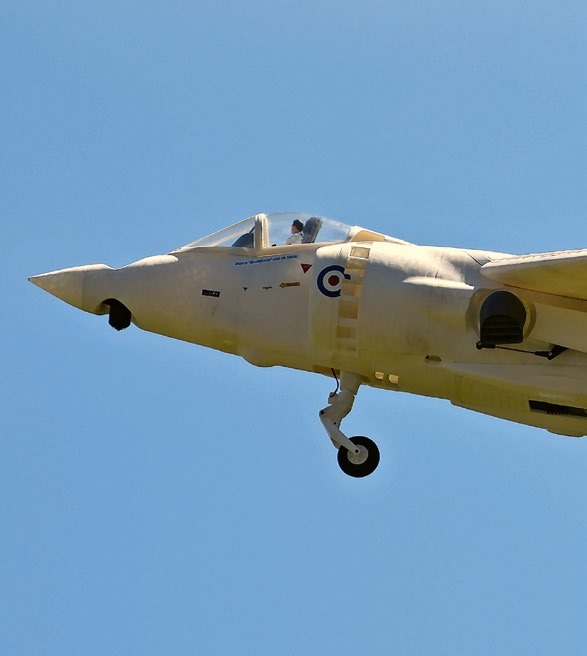
Have you almost forgotten about aircraft that take off and land vertically?
Emil Giezendanner
DO YOU KNOW WHAT I MEAN IN THE LAND OF SMILES?
Emil Giezendanner