
40 Years of the Dietikon Model Aircraft Club
On the weekend of August 15–16, 1981, the Dietikon Model Aircraft Club celebrated its 40th anniversary. This report is intended to be a brief look back at the events of the past 40 years.
At the end of July 1941, 28 model airplane builders from Dietikon—or those who aspired to become model airplane builders—gathered for the founding meeting of the Dietikon Model Flying Club (MG Dietikon).
Subsequently, in their workshop at the Rösslipot behind the Harmonie restaurant, they eagerly built model airplanes such as the Esso, Shell, Pilot 4, Pro Aero, and whatever else they were called—as well as their own designs, of course. They traveled to competitions by train or by bike and trailer, fully loaded with model airplanes. Soon, the first small diesel engines began to appear. A motor glider with a wingspan of about 280 cm was the main attraction
at the MG Dietikon airfield. The war years were wonderful for the flying hobby, as the main road from Dietikon to Spreitenbach could be used as a runway, since cars rarely traveled on that road back then. In 1943, a group competition was held on this road for the first time with great success. After just a few years, the Dietikon team began making a name for itself with excellent results at various competitions. Furthermore, the meticulously built models of the MG Dietikon were marveled at and admired at every competition (a reputation that still holds true today).
The switch from plywood to balsa wood as the base material marked a major turning point in model aircraft construction, and the Dietikon modelers were able to adapt quickly. Between 1951 and 1955, three Dietikon residents—Werner Hauenstein, Hans Schnabel, and Karl Bucher—qualified to compete in the World High-Launch Championships after achieving strong results in the qualifying rounds.
In the early 1960s, the first radio-controlled systems became commercially available, which sparked a major boom in model aviation and led to a steady increase in membership numbers within model flying clubs. As a result, the Dietikon club also achieved numerous victories and top placements in the radio-controlled categories.
Then, in 1966, came a major shock for us model aviators from the Limmat Valley. Our flying field, the Spreitenbach Sports Airfield—where we had been tolerated with great goodwill by our “bigger brothers”—had to make way for a new rail yard. After continuing to fly at a few temporary locations (a section of the highway near Dietikon, a construction site, and the outskirts of the new rail yard), we were able to open our own airstrip near the Limmat River in 1975.
In 1965, a pilot from Dietikon competed for the first time in the recently restructured F1E category (magnetically controlled slope-fly models) at an international competition, the European Cup. A seventh-place finish marked the beginning of an unprecedented string of successes for the Dietikon team at regional championships, Swiss championships,
and European Championships from 1973 to 1980. Two names in particular stand out for the strong results achieved by MG Dietikon: Werner Hauenstein and Robert Haller.
In 1974, the news of the death of our founder and honorary chairman, Werner Baumann, came as a complete surprise. After a relatively short illness, he left us forever, leaving a great void behind. He was always there for everyone with sound advice and a willingness to help whenever it came to building a new model or flying it in. We also remember all the other members who have passed away and left us forever over the past 40 years.
The surge in membership that MG Dietikon experienced demonstrated just how attractive having its own airfield was. The number of members jumped from about 40 to 120. However, due to the heavy flight activity at the airfield, some nearby residents soon felt their peace and quiet was being disturbed and filed a complaint for noise pollution, which then led to a complete flight ban at the airfield in mid-1980. Since then, MG Dietikon has been searching for a new airfield—an almost hopeless endeavor in our stress- and noise-filled times.
This brief look back at the past years shows that “highs” and “lows” have followed one another in a constant cycle. R. H.
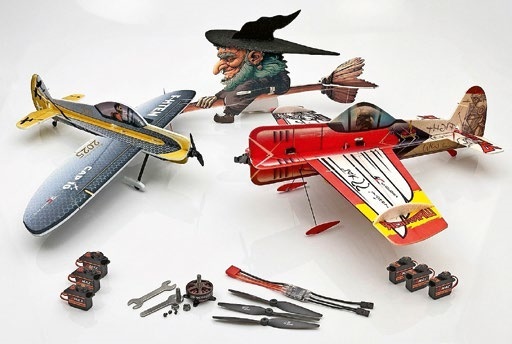
News from HEBU
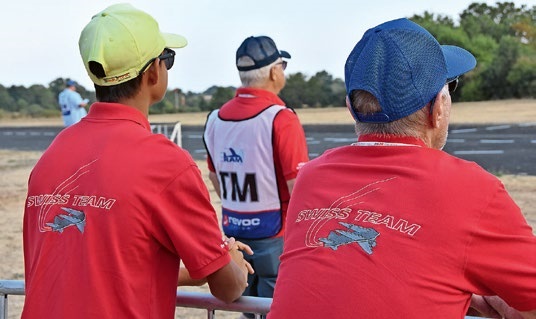
TEAM MANAGER "THIS" BOSSHARD
 Rodito Nussbaumer
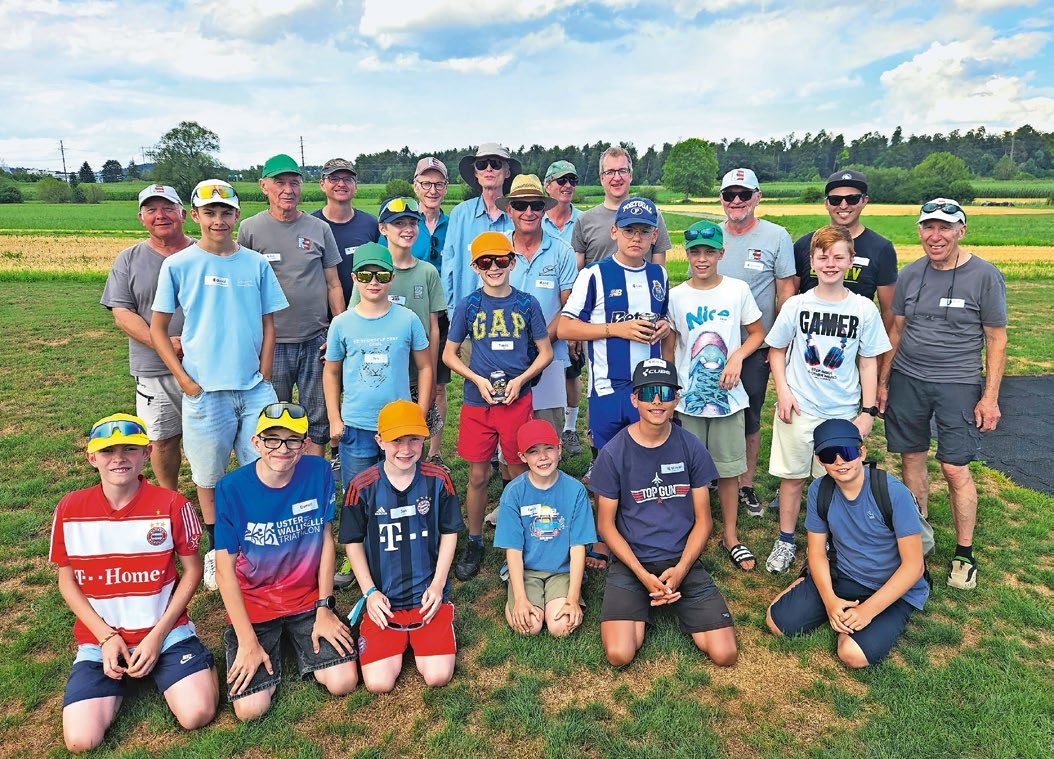
SUMMER FUN 2026 AT MG USTER
Martin Wunderli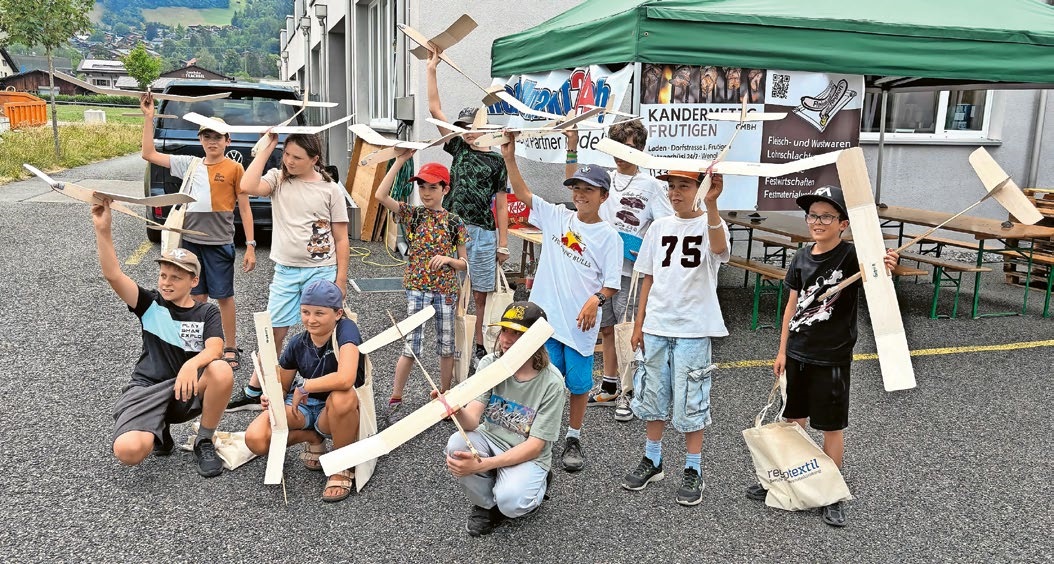
BY YOUTH, FOR YOUTH
Lorena Betschen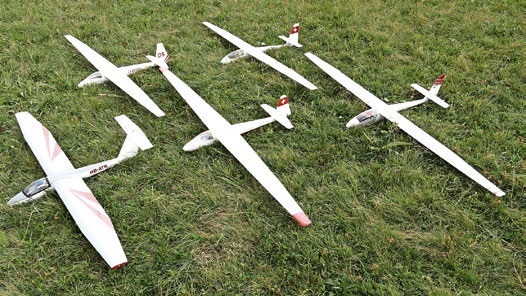
SMALL, MODEL-LIKE SAILBOATS
Res Dauwalder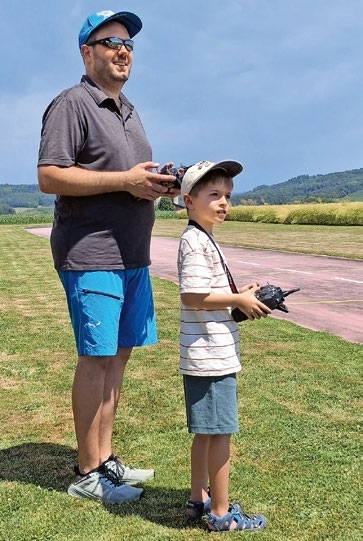
TRY-OUT DAY AT MFV WETTINGEN
Urs Keller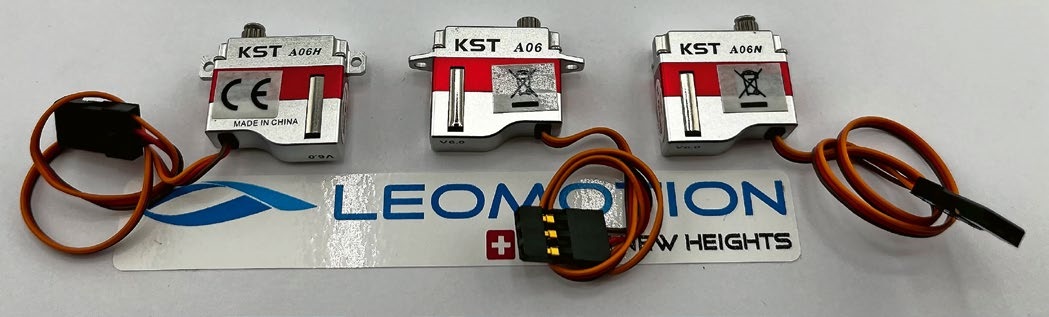
What's New at Leomotion.com
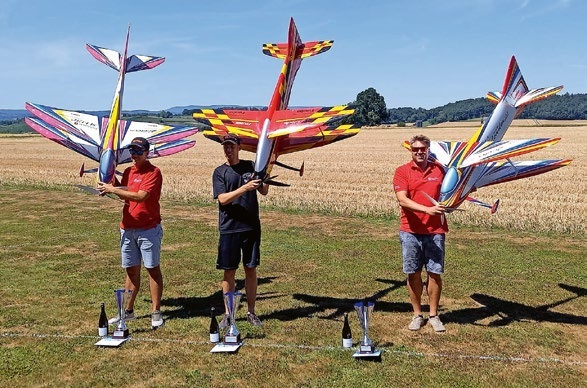
52. 2026 ALPS CUP
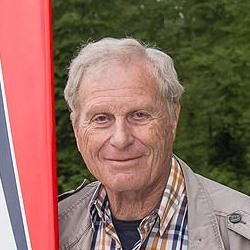 Emil Giezendanner
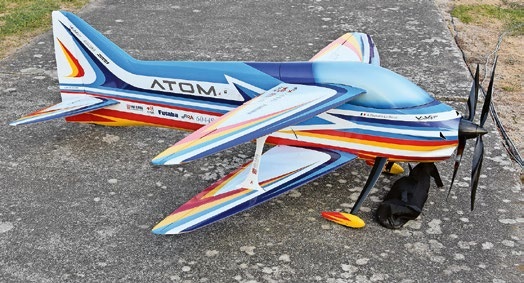
ATOM, THE NEW DOUBLE-DECKER FROM CPLR
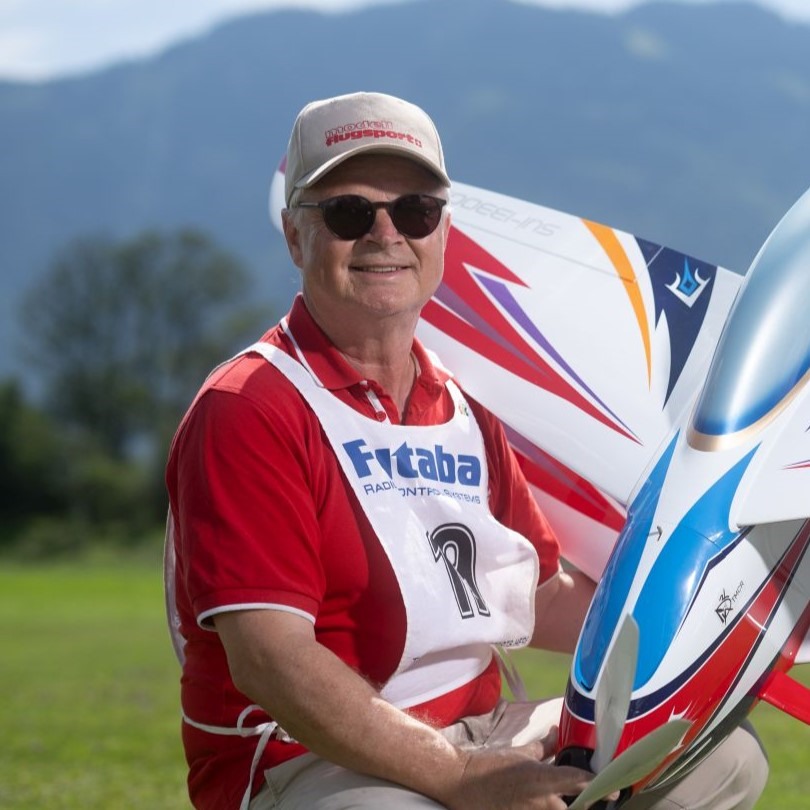 Matthias Bosshard
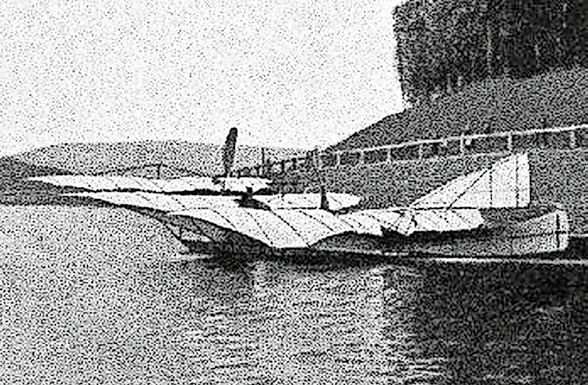
INSIGHTS INTO THE HISTORY OF SEAPLANES
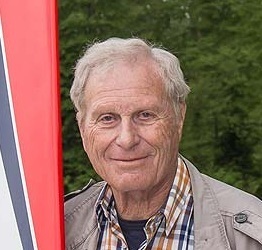
YOU KNOW WHAT I MEAN? 125 YEARS OF THE SWISS AERO CLUB
Emil Giezendanner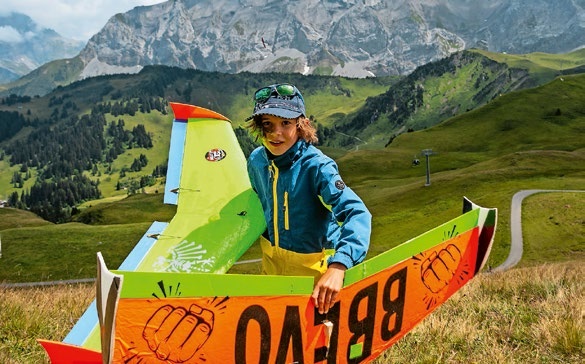
34th HAHNENMOOS ALPINE MODEL AIRPLANE CAMP
Res Dauwalder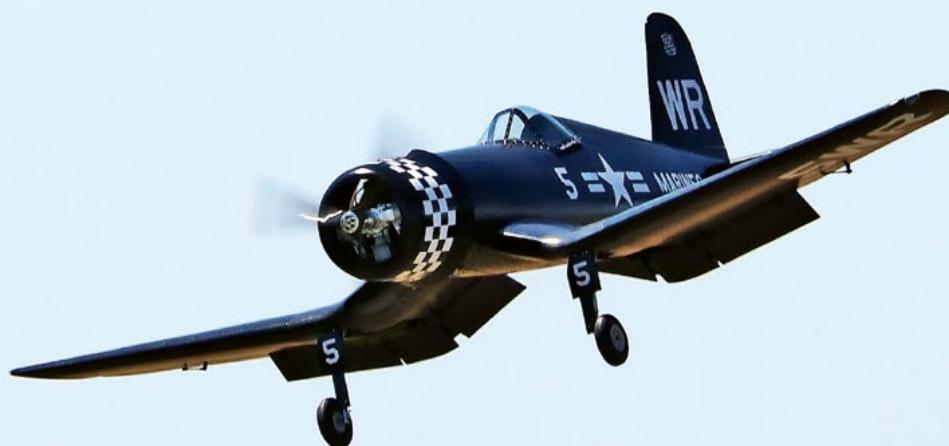
CORSAIR F4U – A WARBIRD WITH A MEMORABLE LOOK
Jürgen Rosenberger, Jürgen Prinz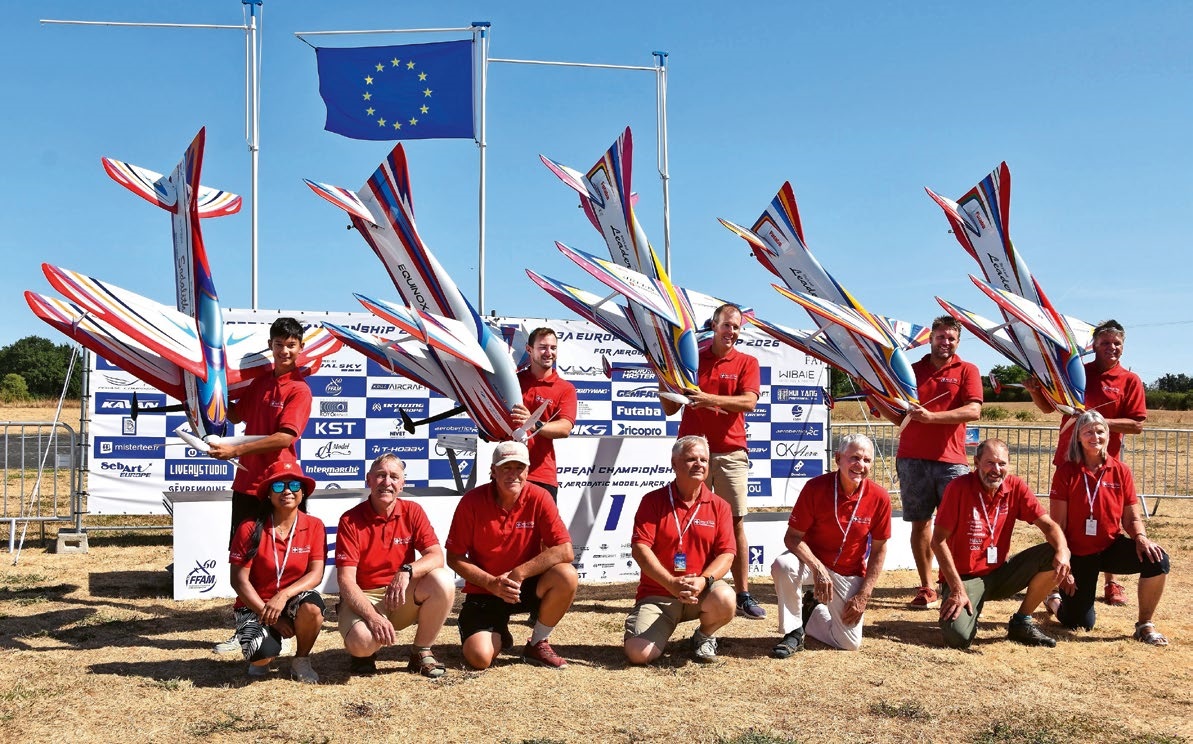
F3A EUROPEAN CHAMPIONSHIPS IN ST-MACAIRE, FRANCE
Matthias Bosshard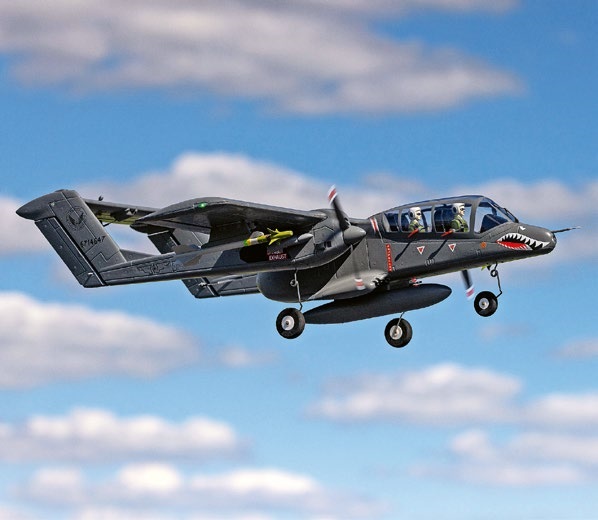
HORIZON HOBBY/LEMACO NEWS: MICRO OV-10 BRONCO 645 MM BY E-FLITE
PRIDE AND GOOD IDEAS
 Markus Nussbaumer
EURO CONTEST GLIDER ACRO TOUR AUSTRIA 2026
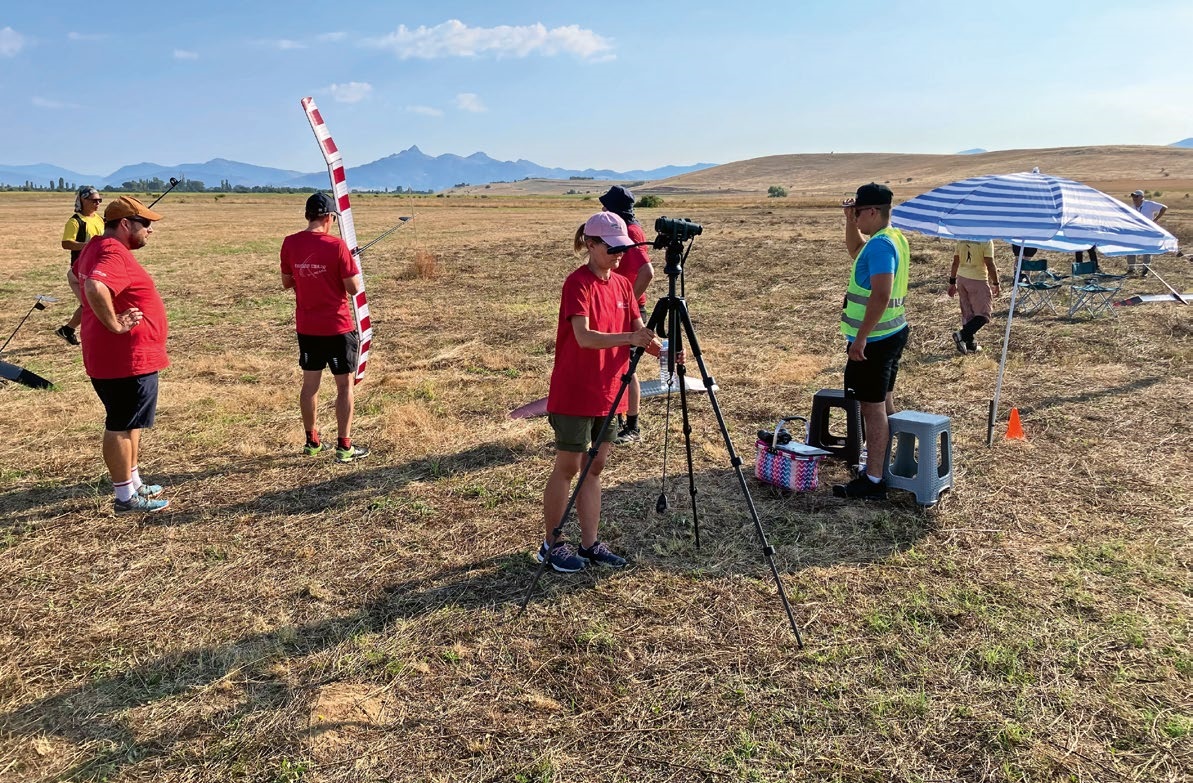
FREE FLIGHT IN THE MIDDLE OF SUMMER
Urs Muntwyler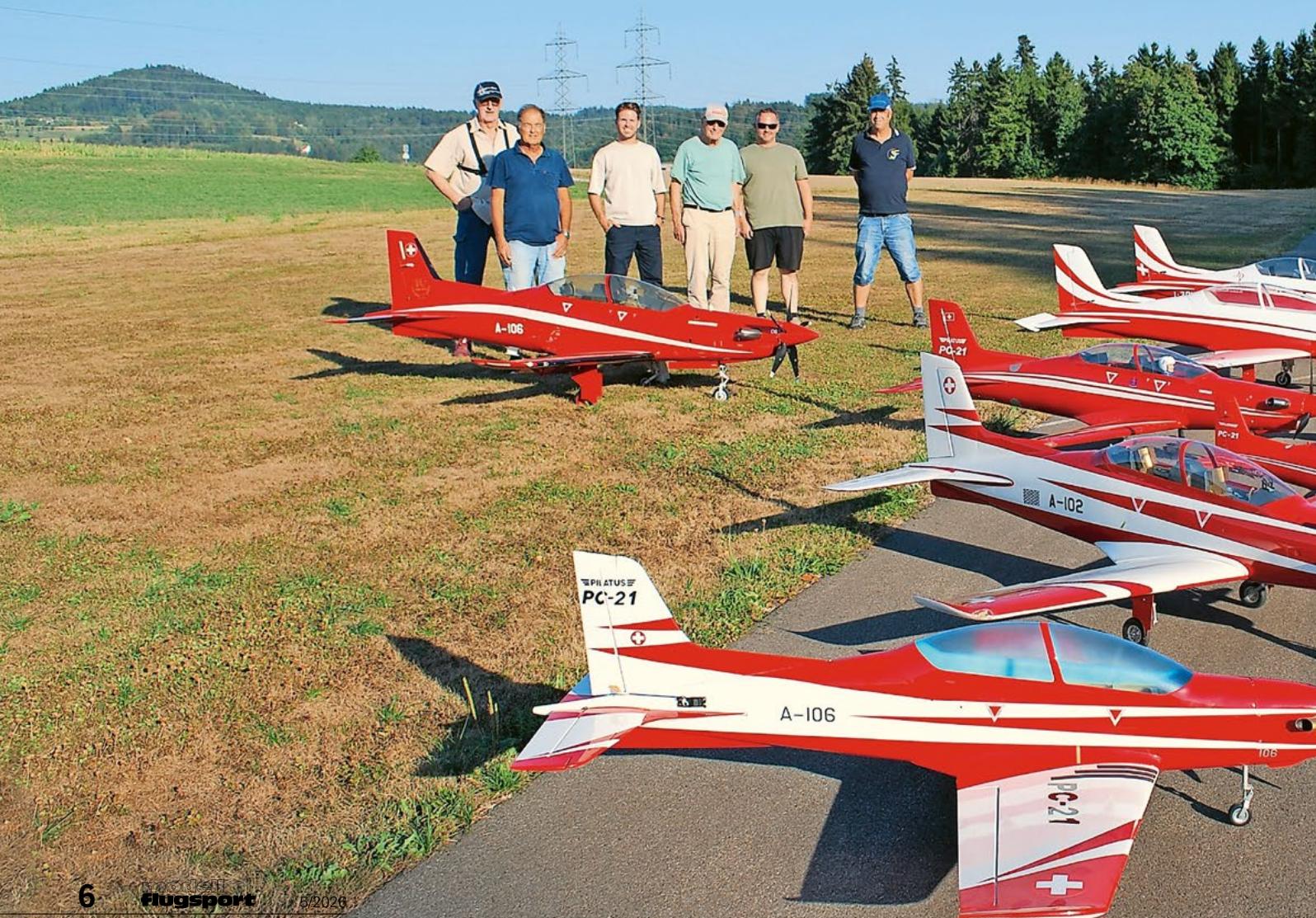
THE PC-21 STORY
Emil Giezendanner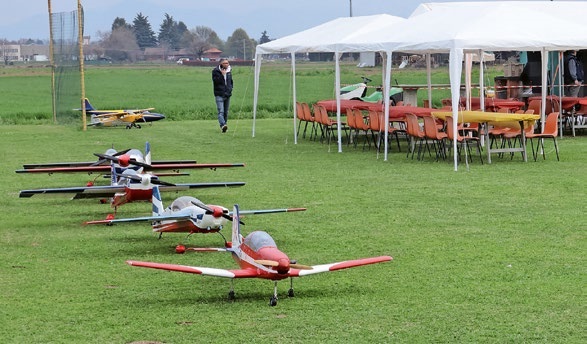
TWIN TOWN PARTNERSHIP
Wolfgang Voeller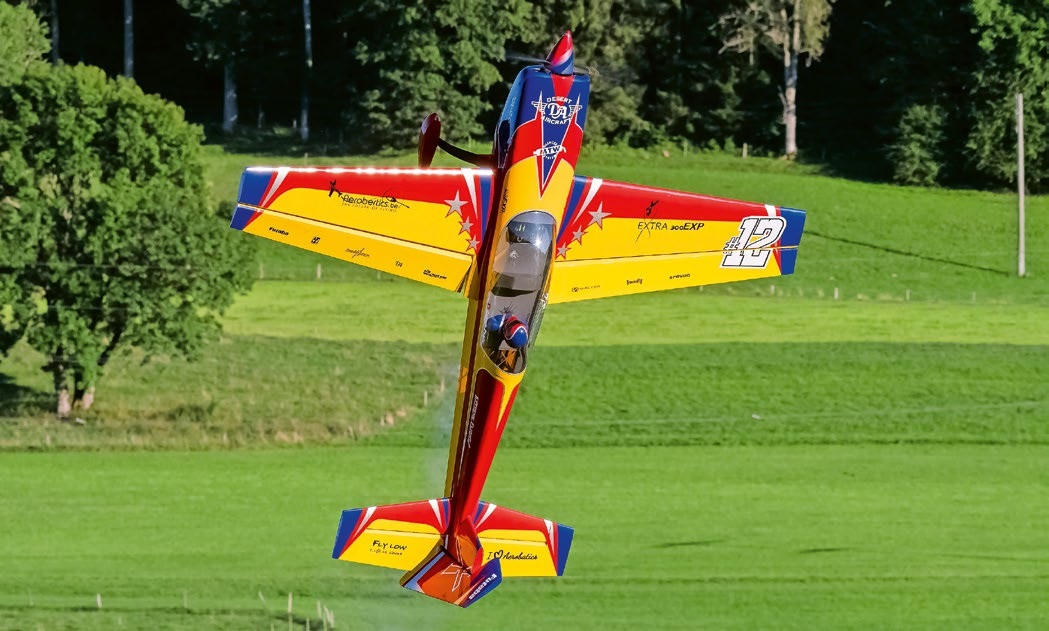
WELCOME, NEW MEMBER!
Andrea Bolliger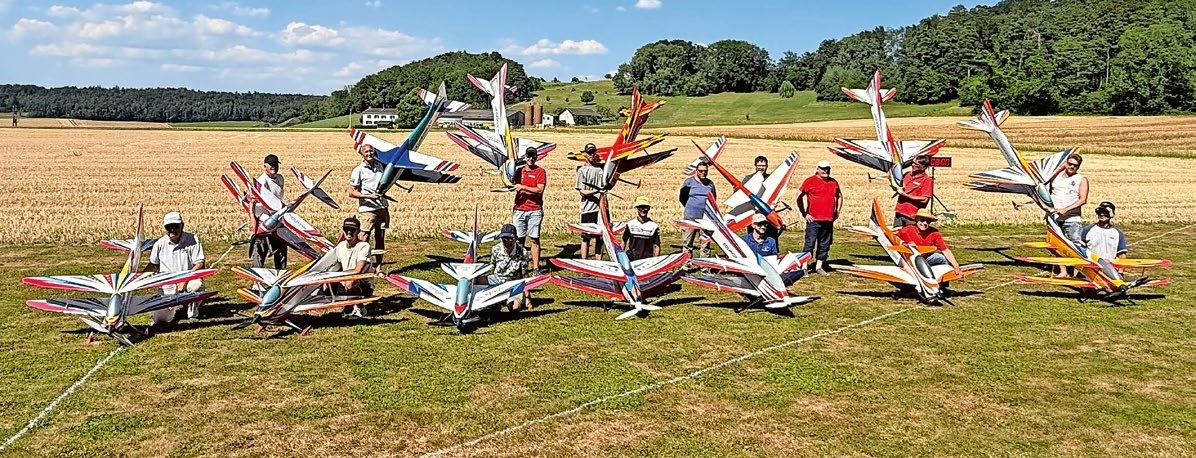
COUPE DES ALPES – OBSERVE AND LEARN
Rodito Nussbaumer
NEWS FROM HEBU
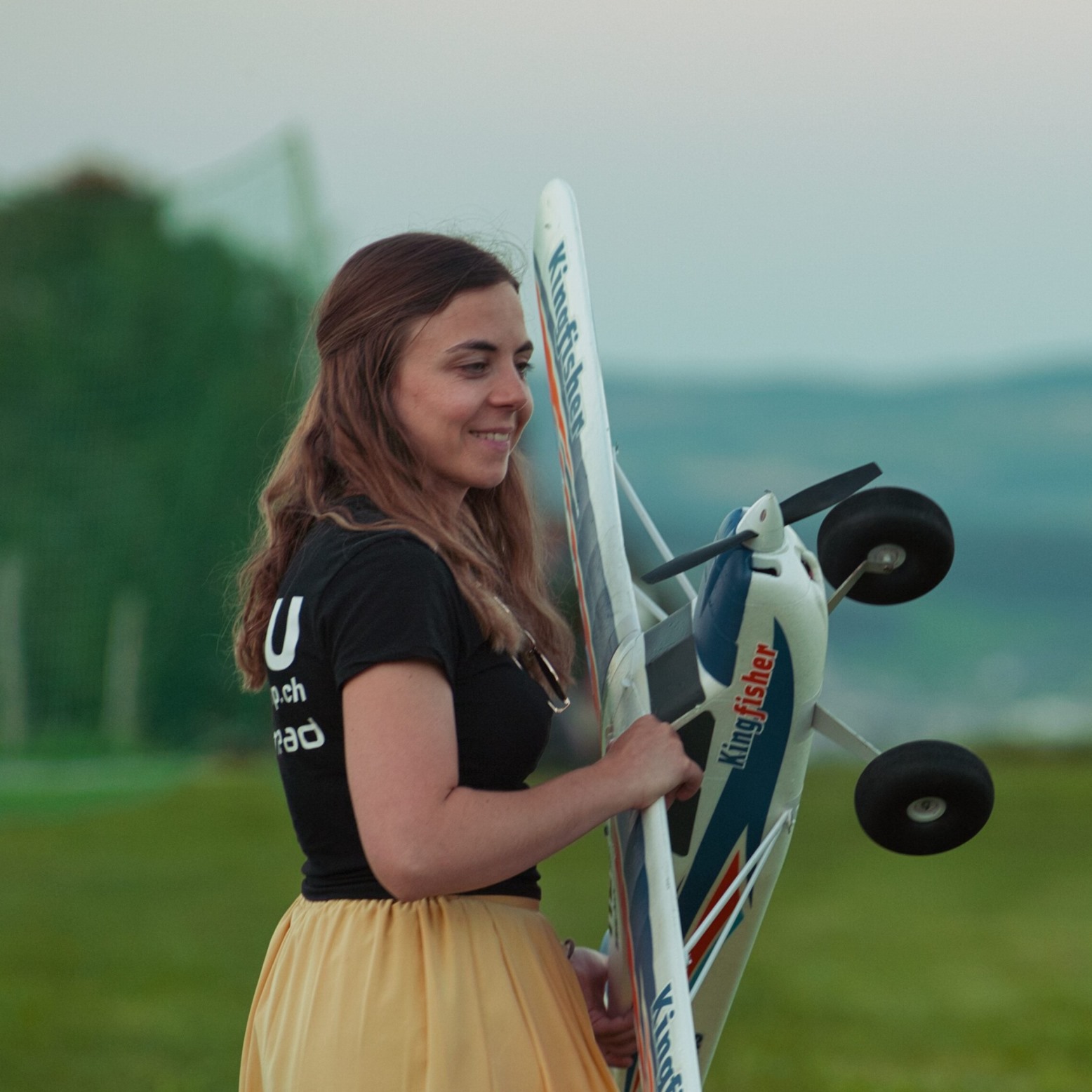 Julia Bucher
FROM 0 TO 100
Markus Nussbaumer
MEMORIES
Wolfgang Völler
NOS REGION – A HUB FOR ELECTRIC AVIATION
Emil Giezendanner
Have you almost forgotten about aircraft that take off and land vertically?
Emil Giezendanner
70 YEARS OF THE NIDWALDEN MODEL AIRPLANE CLUB
Martin Barmettler