
Hotliner Drive Concept
by Michel Hauser
All technical specifications are subject to change without notice!
My first Hotliner "Nobody" from Topmodel, with a 1,700 mm wingspan. The power system consisted of a brushed motor from Mega and 16 Sony NiCd 1250-mAh cells. I soldered the batteries myself from the start—that way, you know exactly what you’re working with, and it’s easier to add or remove cells later on. Back then, it had no gearbox—so it was direct drive. If I recall correctly, I had a 12-inch Falken CFRP folding propeller on it. The current draw was 36 amps. The climb performance of the 2,200-gram model was rather modest by today’s standards—a steady climb of a good 45° without stopping.
My second Hotliner, the Fredy from Kindler Modellbau, with a 1,500 mm wingspan. The powerplant was a brushless motor from Kontronik with a gearbox. I had a roughly 12-inch folding propeller on it. The power battery consisted of 10 Sony NiCd 1250-mAh cells. The current draw was 30 amps. The climb performance of the 1,300-gram model wasn’t quite enough for a vertical, sustained climb, but it really took off.
propeller. You had to start it at half throttle to avoid being thrown off course by the enormous torque. The current draw was 125 A. At this current, the voltage is 9.5 volts, resulting in a whopping 1,125 watts of electrical input power. The climb performance of the 1,980-gram model is phenomenal. It really accelerates upward! The motor’s continuous runtime is 1 minute and 40 seconds, enabling flights of 10 minutes or more.
The next step up: Stuntman No. 2, the so-called “Lipo Worm.”
I thought there had to be more potential there. With the new lithium-polymer cells, of course. To carry out the project, I had to grapple with the following two problems. As we all know, there’s a solution to every problem. First, I had to get the cells into the body at all. It quickly became clear that I
would have to build the LiPo battery myself from individual cells to meet my requirements. Second, I was expecting currents exceeding 140 amps. I soldered the battery together from a total of twelve 2100-mAh Hyperion Lite Storm cells from eflight.
It took me a few hours/evenings to fit all twelve cells, the receiver battery (a 2S Lipo from Thunderpower with a Helitron controller), the receiver, and the motor into the fuselage. Removing the components is only intended for maintenance work on the motor/gearbox; the internal components remain permanently installed. The motor with the ESC. I had to remove the ESC from the original heat-shrink tubing and solder it directly to the motor; otherwise, there wouldn’t have been enough room for the battery. The receiver battery with the LiPo controller is permanently installed in the fuselage, just like everything else. The four cell packs are
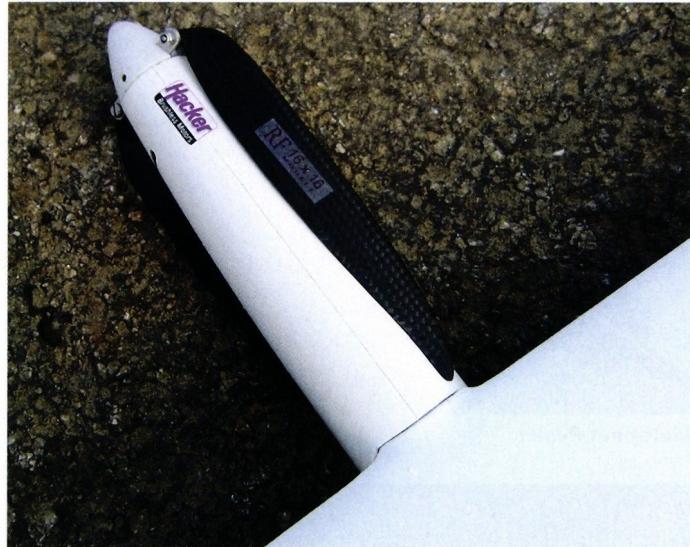
- Hacker B50-8-S Motor with 6.7:1 Gearbox
- Freudentahler 16×16 CFRP folding propeller
- Hacker Master 125-0-F5F ESC
- Hyperion Lite Storm 4S3P LiPo flight battery with 6300 mAh and 14.8 volts
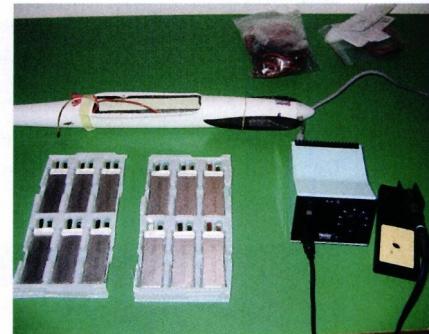
Now wired in series (4S3P) and equipped with a connection cable and a Thunderpower balancer connector. There's no more room—the fuselage is really packed, hence the name "Lipowurm."
Saturday morning, May 6, 2006, was the big day. The closer I got to the airfield, the more nervous I became. Based on my calculations and estimates, I could only guess at how the flight would go. The question arose: Would all the components withstand the stresses? “Just don’t doubt it,” I thought. The first thing I did upon arriving at the airfield was to measure the current. Here it comes—the clamp-on ammeter read 196 amps!!! The
voltage under load was 12.6 volts, which equates to an input power of nearly 2,500 watts.
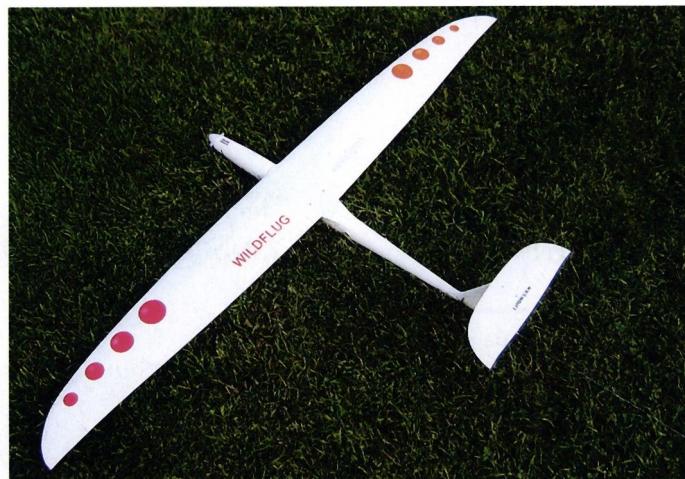
I felt a little queasy at the thought of launching a model with a takeoff weight of 1,730 grams and 2,500 watts of power into the air. I gathered my composure and headed to the runway—throttled up to about 30%—and with a powerful toss, it soared into the air. The thing shot straight up, and after two seconds, I turned off the motor with damp fingers. The hover flight went smoothly given the circumstances; the air brakes were tested.
Now I wanted to see what I’d created here. At an altitude of about 10 meters, I gently applied full throttle and began the climb
. It far exceeded my expectations. I’ve seen quite a few hotliners in climb before—it seems as though gravity doesn’t exist for this model! It inevitably accelerates upward, and I have to throttle back after about 3 seconds, otherwise I’d lose sight of the model.
A big smile is plastered on my face. After a successful landing, I checked the temperatures: motor 60 °C, ESC 54 °C, and battery 36 °C. Everything’s within the normal range. However, I’m concerned about whether the motor/gearbox—and especially the ESC—can withstand the strain over the long term. My concern is based on the fact that the motor runs for a maximum of 5 seconds at a time, after which a lot of fresh air flows in. The LiPo battery is indeed subjected to a charge of about 31 C, but only for a maximum of 5 seconds; furthermore, I have
I set the Lipomod controller's cut-off voltage to 3 V per cell. So, no problem at all. Have fun tinkering.
Best regards
, Michel Hauser
P.S. I’d like to take this opportunity to thank my girlfriend Andrea for her patience and understanding regarding my hobby.


News from HEBU
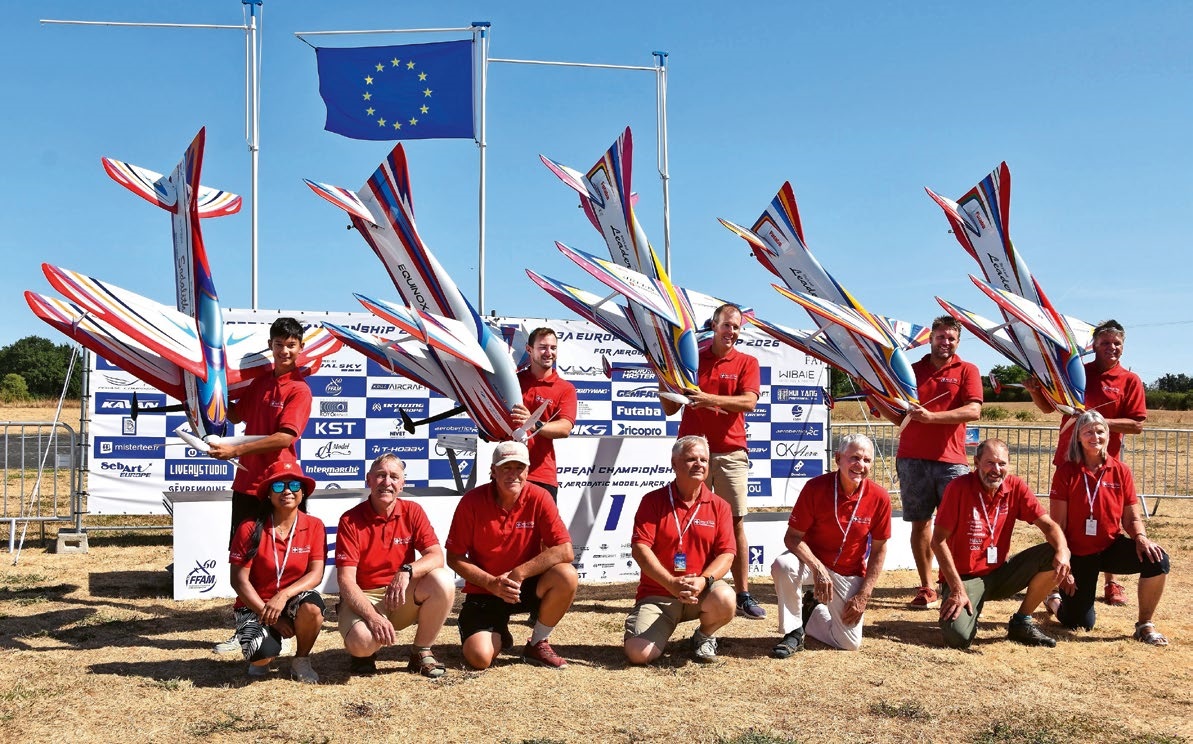
F3A EUROPEAN CHAMPIONSHIPS IN ST-MACAIRE, FRANCE
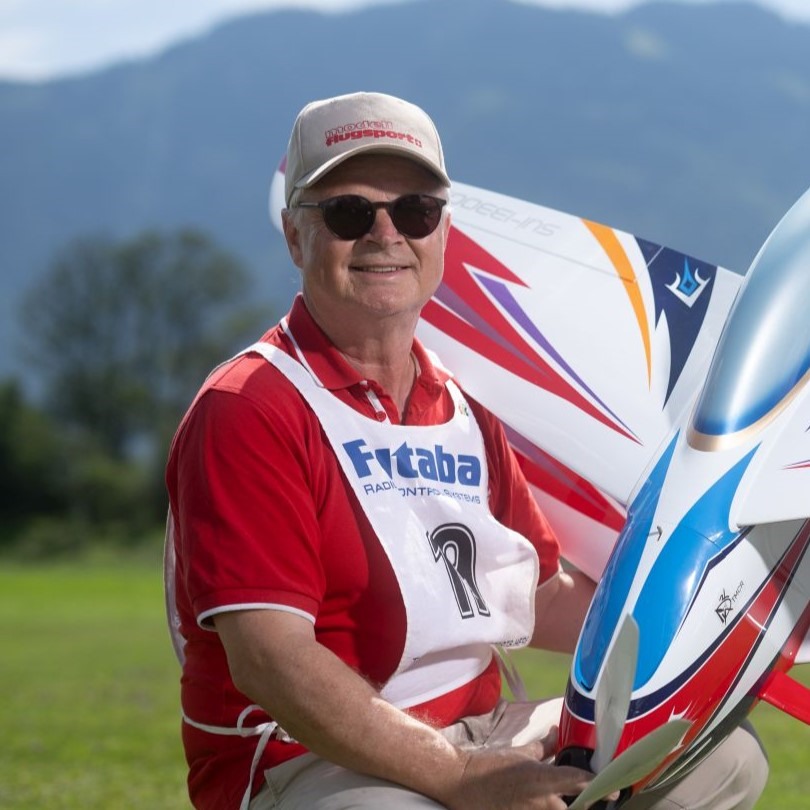 Matthias Bosshard
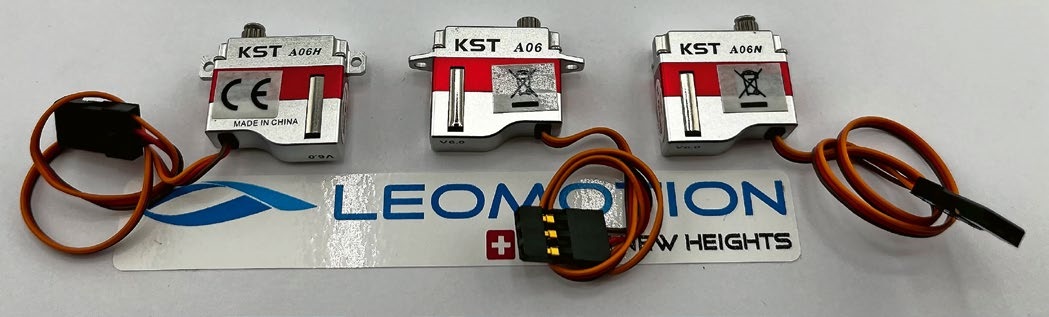
What's New at Leomotion.com

YOU KNOW WHAT I MEAN? 125 YEARS OF THE SWISS AERO CLUB
 Emil Giezendanner
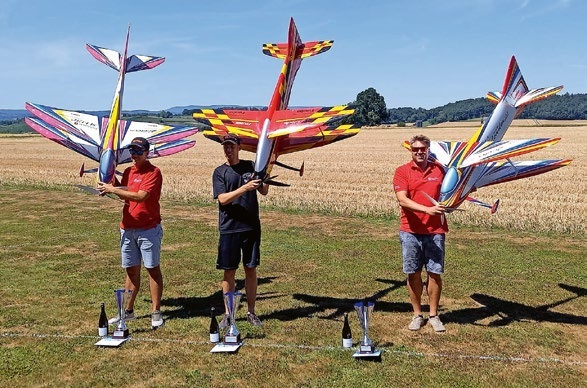
52. 2026 ALPS CUP
Emil Giezendanner
PRIDE AND GOOD IDEAS
 Markus Nussbaumer
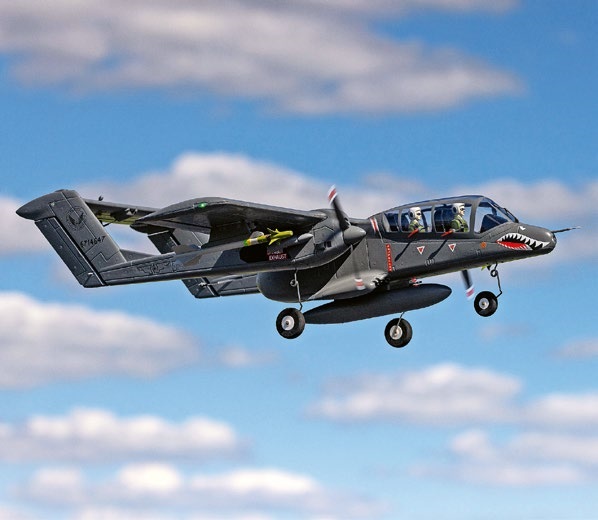
HORIZON HOBBY/LEMACO NEWS: MICRO OV-10 BRONCO 645 MM BY E-FLITE

EURO CONTEST GLIDER ACRO TOUR AUSTRIA 2026
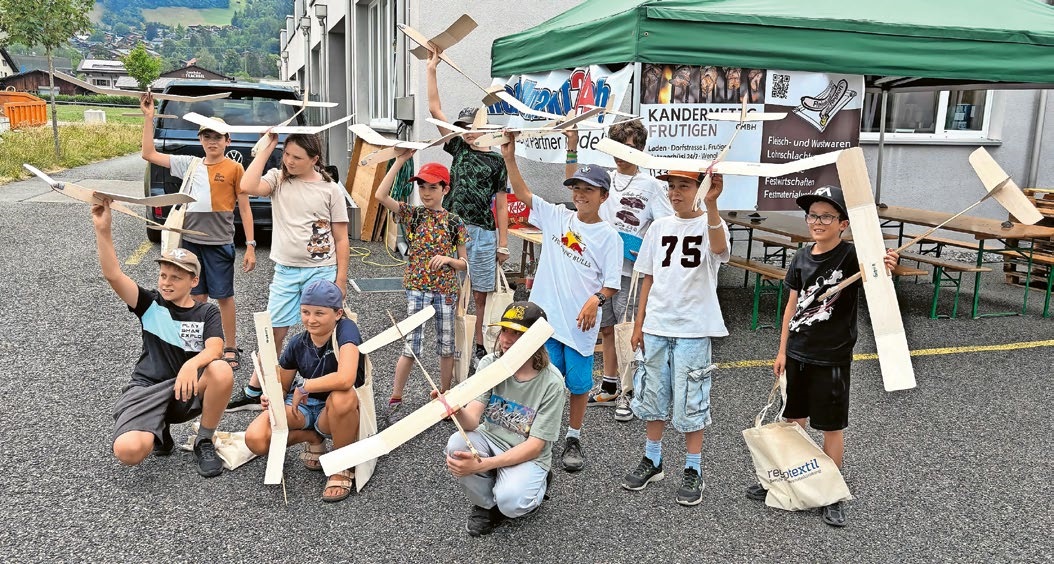
BY YOUTH, FOR YOUTH
 Lorena Betschen
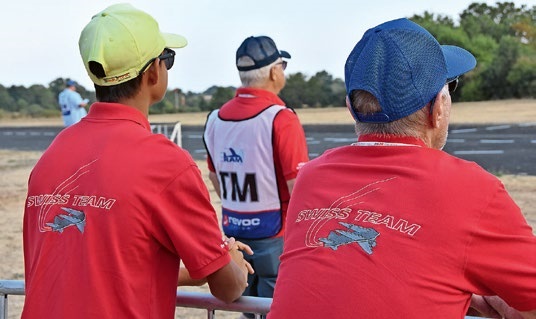
TEAM MANAGER "THIS" BOSSHARD
Rodito Nussbaumer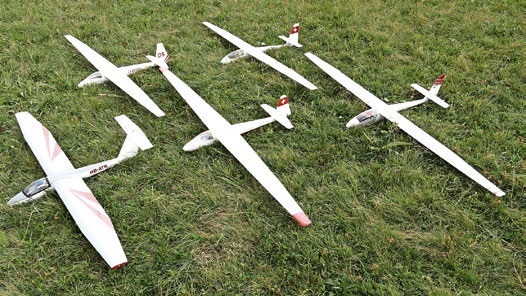
SMALL, MODEL-LIKE SAILBOATS
Res Dauwalder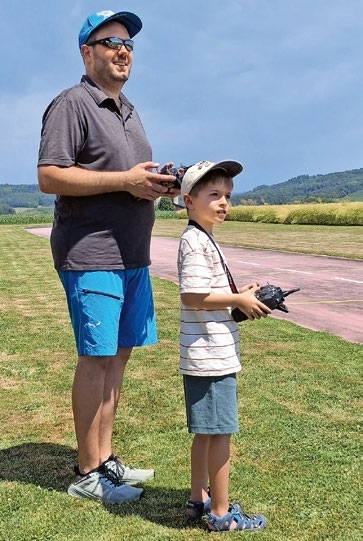
TRY-OUT DAY AT MFV WETTINGEN
Urs Keller
34th HAHNENMOOS ALPINE MODEL AIRPLANE CAMP
Res Dauwalder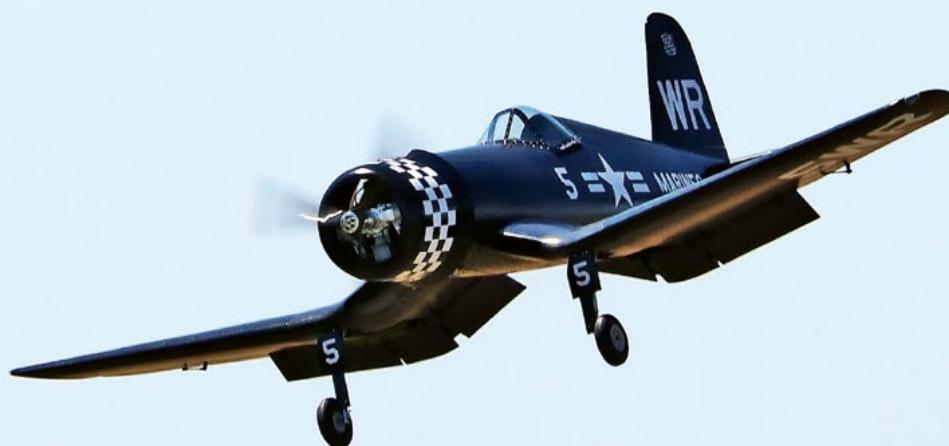
CORSAIR F4U – A WARBIRD WITH A MEMORABLE LOOK
Jürgen Rosenberger, Jürgen Prinz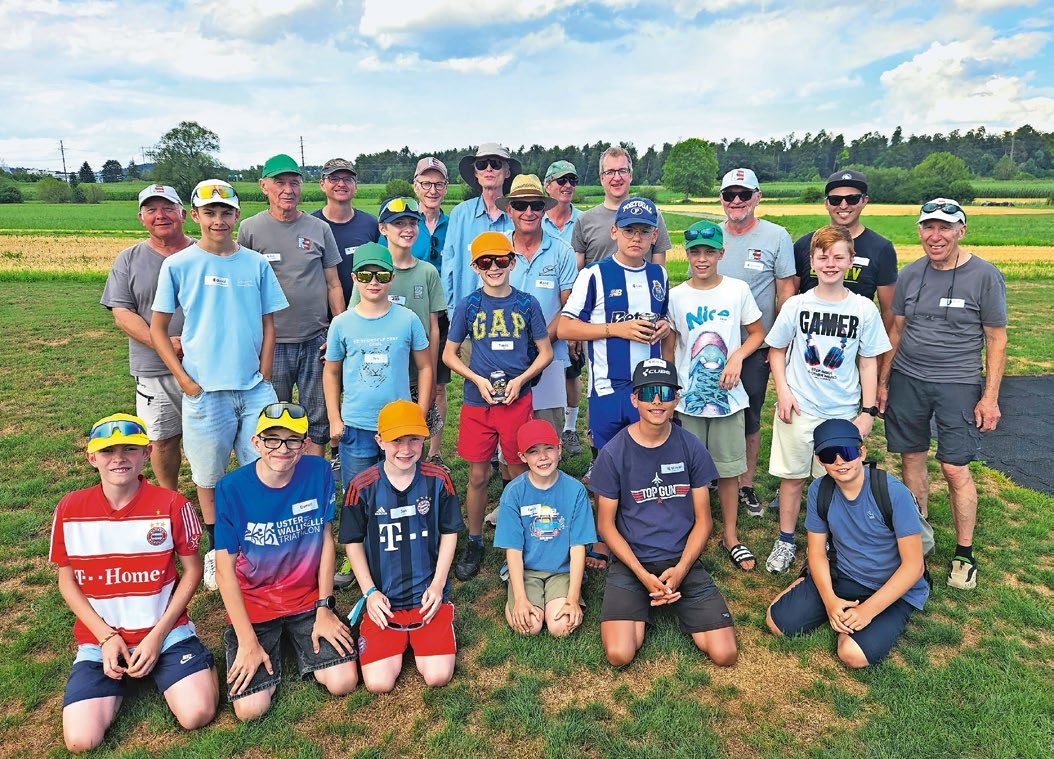
SUMMER FUN 2026 AT MG USTER
Martin Wunderli
WELCOME, NEW MEMBER!
Andrea Bolliger
FREE FLIGHT IN THE MIDDLE OF SUMMER
Urs Muntwyler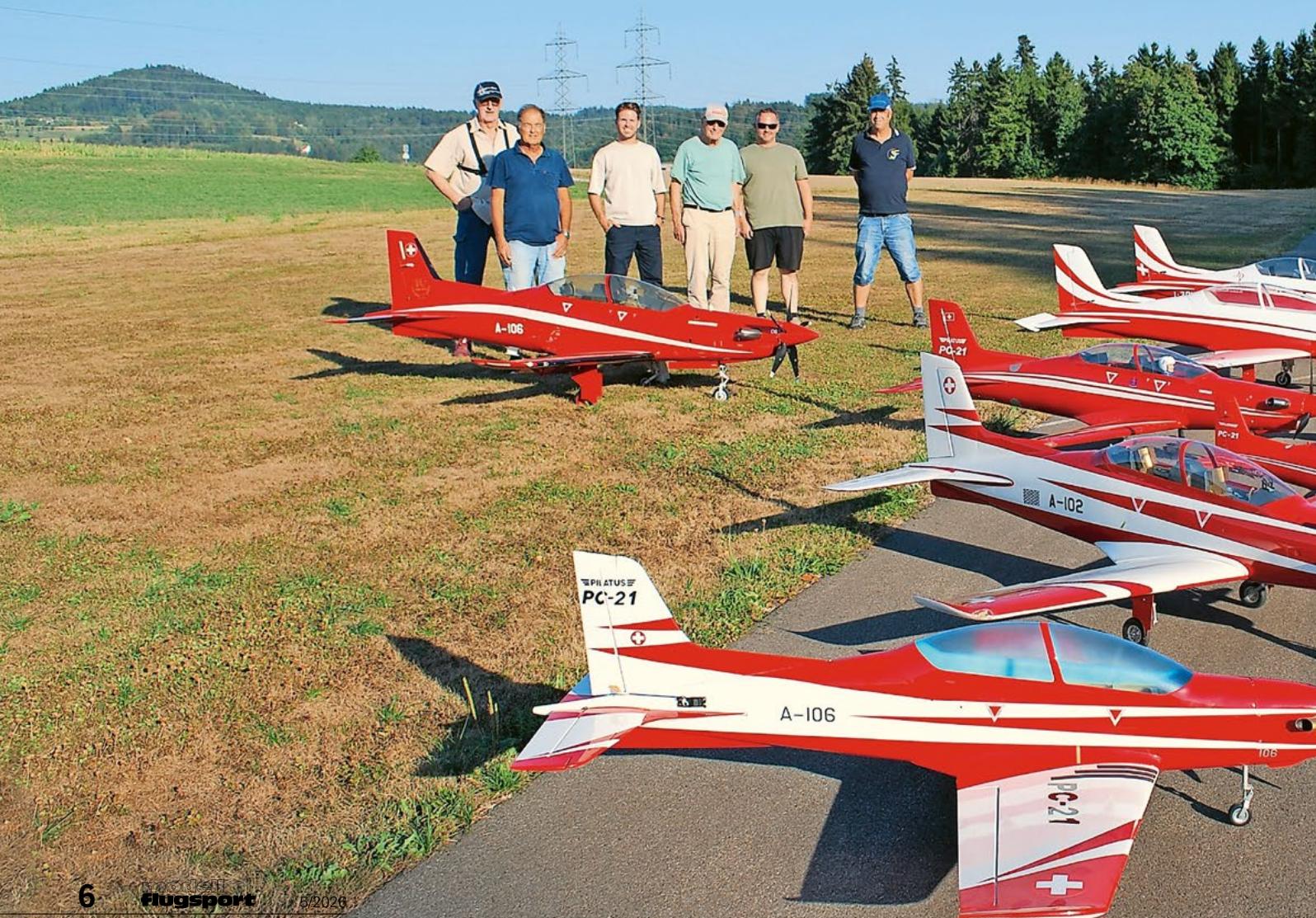
THE PC-21 STORY
Emil Giezendanner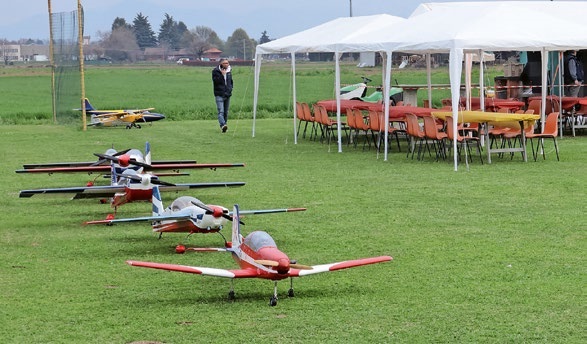
TWIN TOWN PARTNERSHIP
Wolfgang Voeller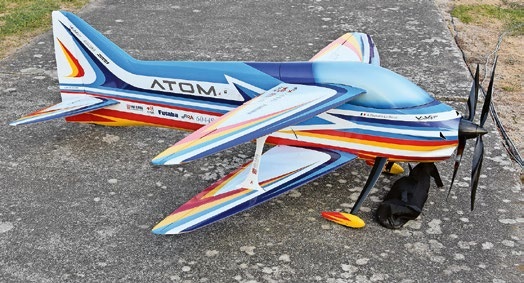
ATOM, THE NEW DOUBLE-DECKER FROM CPLR
Matthias Bosshard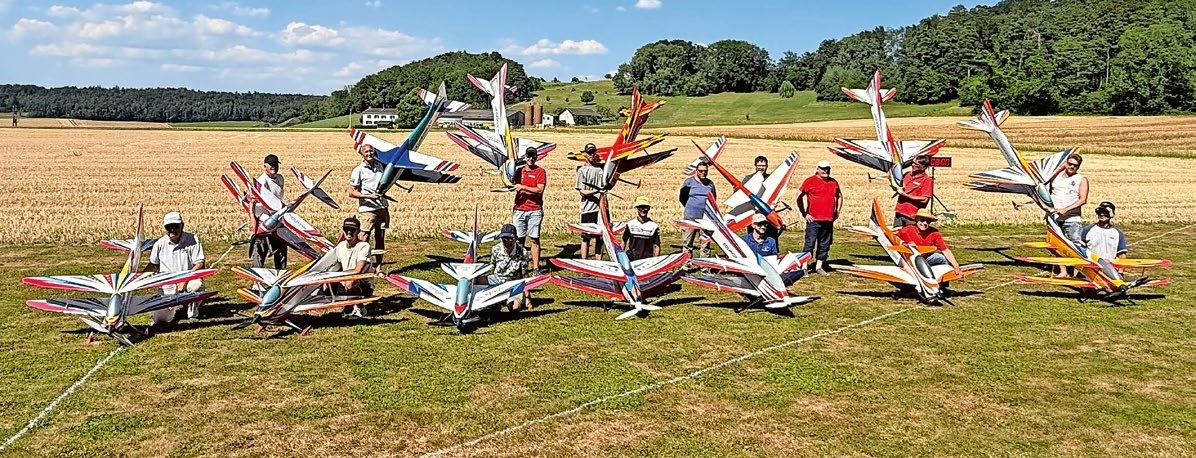
COUPE DES ALPES – OBSERVE AND LEARN
Rodito Nussbaumer
INSIGHTS INTO THE HISTORY OF SEAPLANES
NEWS FROM HEBU
 Julia Bucher
FROM 0 TO 100
Markus Nussbaumer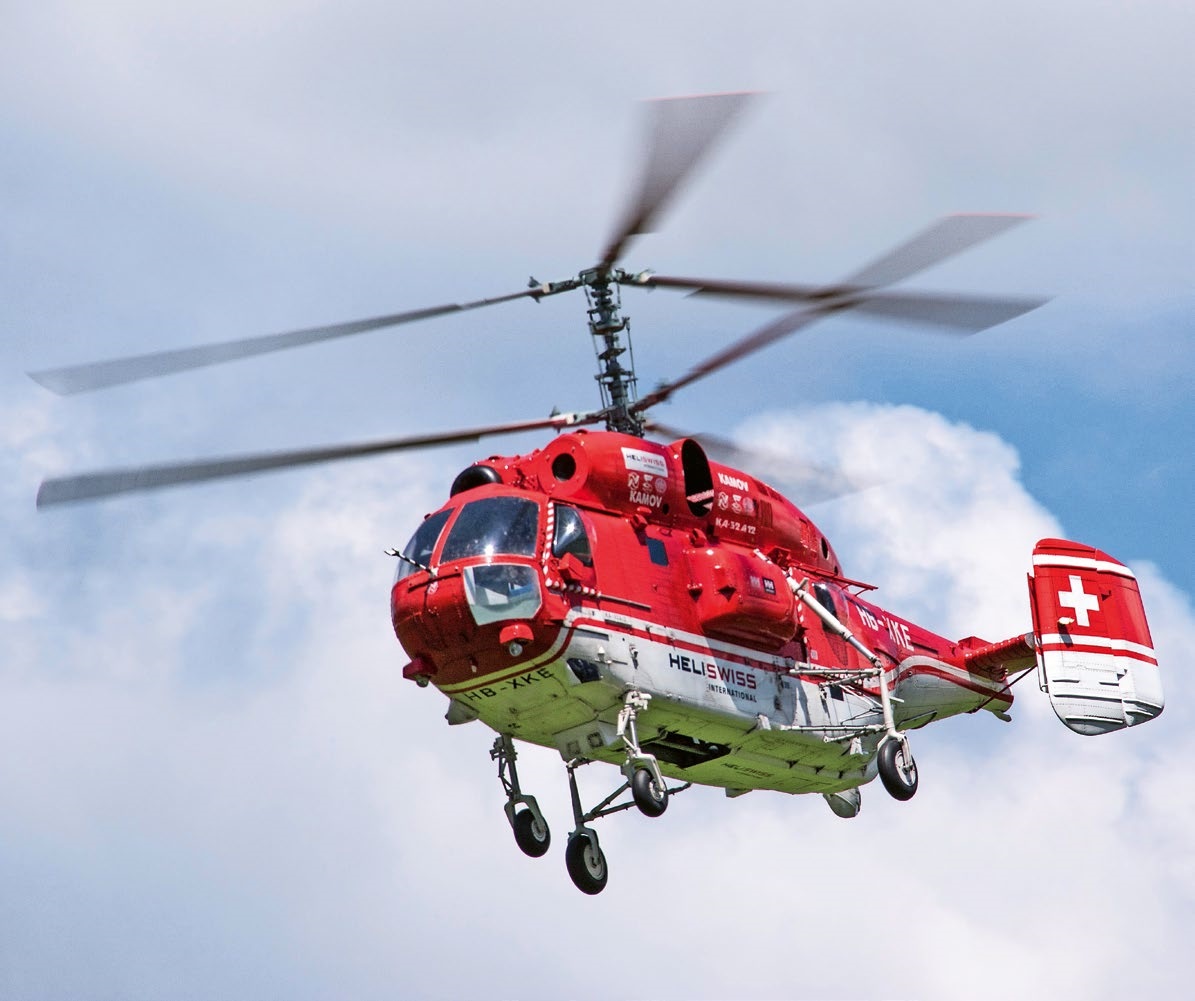
MEMORIES
Wolfgang Völler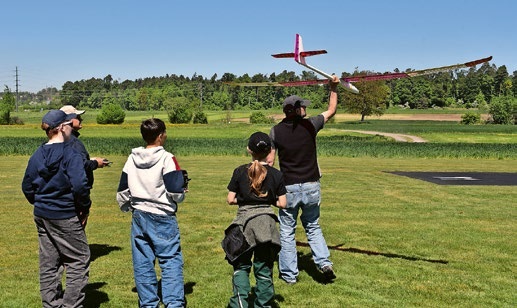
NOS REGION – A HUB FOR ELECTRIC AVIATION
Emil Giezendanner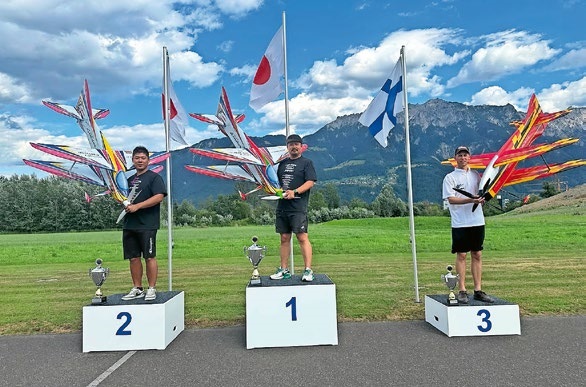
A SPECTACULAR F3A WORLD CUP IN THE PRINCIPALITY OF LIECHTENSTEIN
Emil Giezendanner
DO YOU KNOW WHAT I MEAN IN THE LAND OF SMILES?
Emil Giezendanner