
The Technical Group on Remote Control Frequencies (FFF) provides the following information
Who is the Expert Group on Remote Control Frequencies?
Hans Ruedi Schläpfer
Querstrasse 4
8424 Embrach
Phone: 01 96 20 93
Fax: 01 812 74 00
Rolf Girsberger
Ehrendingerstrasse 29
5400 Ennetbaden
P 056 22 70 40
Heinz Schläpfer
, Chöbli 6
, 6020 Emmenbrücke
, Phone: 041 533 488
Walter Prantl
, Thalwiesenstrasse 13
, 8302 Kloten
, Tel. 01 813 31 61
Hermann Sturzenegger
Lindenheimstrasse 1
6032 Emmen
P 041 55 92 48
Please send all correspondence and letters to the editor to:
Model Aviation
Sports Association, Radio
Control Frequencies Committee, P.O. Box
8335, Hittnau
In recent years, there has been increasing discussion within RC model aviation circles about the problems that complicate remote-controlled model flying in various ways. Much has already been written, discussed, and criticized—some of it downright contradictory. This makes it clear that, in reality, there are several distinct problems causing us trouble.
In the following, we will attempt to critically examine the current situation regarding model aircraft frequency bands. The first part is intended to provide all interested model aviators with an overview of the authorized frequencies and how they are allocated among the various users. Do not expect a theoretical course on remote controls, but rather a compilation prepared by experts that is generally understandable and free of technical and mathematical jargon. We hope this will provide a solid foundation for further discussion, and we’re happy to address detailed questions from our readers in a future issue.
Since January 1, 1975, the PTT has licensed only 5 frequencies in the 11-meter band (27 MHz band) for radio equipment used to remotely control model airplanes, boats, and cars (see table in Section 3). However, licenses for other frequencies issued prior to that date remain valid until further notice. Holders of such licenses may continue to operate their remote-control systems on the assigned frequency; however, they should bear in mind that these frequencies are now also used for other purposes and that, for this reason, mutual interference is to be expected. It should be specifically emphasized that all users of the 11-meter band have equal rights on their frequency within the framework of the license provisions. The so-called remote-control frequencies are therefore by no means reserved exclusively for the remote control of models.
Let us now turn to the various requirements that model aircraft enthusiasts and amateur radio operators place on their equipment. Regarding remote controls, it should be noted that with a transmitter output power of 500 mW and a receiver sensitivity of 2 uV—values corresponding roughly to commercially available equipment—the range can easily reach 2 km when the system is properly tuned. More is not necessary, because even with a model having a wingspan of 3 to 4 meters, the aircraft is barely recognizable at a distance of 1 km. Higher transmit power therefore offers hardly any advantages for model remote controls. On the contrary, we would interfere with one another and would even be forced to maintain a greater distance between flying fields.
Amateur radio operators have different requirements for their equipment in terms of range, as they also want to be able to establish connections over greater distances. This is achieved, on the one hand, through better receiver sensitivity—which can reach 0.3 µV in higher-quality devices—and, on the other hand, by increasing transmit power. As is well known, modifications to transmitters that result in a transmission power increase beyond the level tolerated by the PTT are easily achievable even by less experienced hobbyists. An external antenna precisely tuned to the frequency also increases the range.
The PTT no longer issues new licenses to amateur radio operators for equipment connected to an outdoor antenna, as well as for fixed installations and car radio systems. During a 5-year transition period, equipment that was licensed before the new regulations took effect may continue to be operated. After that, only portable handheld radios will be permitted on the 11-meter band. In our neighboring country, Germany, however, a similar regulation is reported to have already been repealed.
Reports from the Netherlands indicate that there are plans to remove public radio from the 11-meter band. It would then be moved to the 2-meter band, where amateur radio operators are active.
If the two-way radios are operated in accordance with the licensing requirements, model aircraft pilots generally should not experience any serious interference. The reason we model aircraft pilots are nevertheless plagued by interference in many places is largely due to the differing requirements for the equipment as described above.
Furthermore, it should be noted that in recent years, not only has the number of remote-controlled model airplanes increased enormously, but so has the number of remote-controlled model boats and, in particular, remote-controlled model cars. With the latter in particular, it is significant that they can be flown on any large concrete or asphalt area and that the risk of accidents due to radio interference is low. How does this compare to model aircraft flying? If a model with the weight typical today—3 to 5 kg—crashes, it can pose a serious danger to people. It is certainly necessary to keep these dangers in mind from time to time.
The 11-meter band is of particular interest to us model aircraft enthusiasts, specifically from 26.995 MHz to 27.195 MHz, plus the ranges above and below it, each spanning approximately 600 kHz. This range is divided into 21 channels, each spaced 10 kHz apart. These channels—or frequencies—are designated as general-purpose frequencies. According to the PTT’s technical certification requirements, the peak power into the transmitter output stage for model remote controls must not exceed 2 watts, and the radiated RF power for handheld radios must not exceed 500 mW.
The 21 channels are allocated as follows:
26.995 MHz model remote control, Class E (RC)
27.005 MHz citizen’s band
(CB)
27.015 MHz CB
27.025 MHz CB (until December 31, 1974, also new licenses for RC)
27.035 MHz CB
27.045 MHz RC
27.055 MHz CB
27.065 MHz CB
27.075 MHz CB (until Dec. 31, 1974, new licenses were also granted for RC)
27.085 MHz CB
27.095 MHz RC
27.105 MHz CB
27.115 MHz CB
27.125 MHz CB (until December 31, 1974, also new licenses for RC)
27.135 MHz CB
27.145 MHz RC
27.155 MHz
27.165 MHz
27.175 MHz (until December 31, 1974, also new licenses for RC)
27.185 MHz
27.195 MHz RC
From 27.205 MHz to 27.995 MHz, licenses are granted for special purposes, as well as exclusive frequencies for commercial services such as traffic signal systems, industrial monitoring systems, emergency services, police, fire departments, and the PTT. However, channels from the general-purpose frequency bands may also be allocated for the aforementioned services; for example, the Lake Zurich Shipping Company may use the frequency 27.095 MHz for the remote-controlled operation of the new landing stage lighting system. Reports from the Aargau and Basel regions indicate that auxiliary equipment for dog training is controlled on an RC frequency.
These systems—which are certainly legal—were listed to demonstrate that remote-control frequencies are by no means exclusively reserved for model aircraft control. It should also be noted that industrial and medical high-frequency generators operate in the 27 MHz band as well.
People often ask why the frequencies for remote-controlling models were allocated right in the middle of the general public radio frequencies. This question is clearly answered when we examine the technical approval requirements for remote controls. The transmitter may have a bandwidth of 25 kHz below and above the nominal frequency with 40 dB attenuation. This results in a channel spacing of 50 kHz for the remote control channels.
Under these circumstances, we model aviators must determine whether the continued operation of model aircraft control systems on the general-use frequencies remains justifiable. We are convinced that the factor of “safety in model aircraft operation” carries great weight as a reason for allocating safer and interference-free frequencies to model aircraft.
The 7-meter band is certainly a good alternative to the 11-meter band. The 40.68 MHz frequency has been available to us since the early days of RC model aviation. Since January 1, 1975, this relatively wide band has been divided into a 10 kHz grid with the following four channels:
40.665 MHz
, 40.675 MHz
, 40.685 MHz
, and 40.695 MHz
.
One advantage of these frequencies is that public access radio is not permitted on the 7-meter band. The following must be considered disadvantages:
1. The narrow 10-kHz channel spacing. Systems with such a narrow bandwidth are not easy to implement today with reasonable effort. Under favorable conditions, it is possible to operate remote controls with a 10-kHz frequency spacing simultaneously without interference; but often a 20-kHz spacing must be used.
2. These frequencies are not exclusively reserved for model aircraft, as other types of models may also be controlled on these frequencies. As in the 11-meter band, industrial and medical high-frequency generators also operate in this range.
On the 70-cm band, similar problems could arise—at least in the long term—as on the 11-meter band. The 70-cm band is also shared with other services—in this case, amateur radio operators. While there are still relatively few amateurs operating in this frequency range, a sharp increase in radio traffic in the coming years cannot be ruled out.
Unlike general-use radio operators, for whom a maximum output power of 0.5 watts is specified, amateur radio operators are permitted—in accordance with the PTT’s licensing regulations—to operate with anode dissipation powers of up to 50 watts in Classes D1 and D3, and 150 watts in classes D2 and D4, respectively. The RF power corresponds to two to three times the anode dissipation power. In addition, gain antennas—i.e., directional antennas—are permitted. Such directional antennas, which achieve up to 20 dB of gain—equivalent to a hundredfold increase in RF power in the direction of radiation—are relatively simple in design and are frequently used. The frequency band available to amateurs ranges from 430 MHz to 440 MHz. According to international guidelines, the relay stations—in Switzerland, for example, on the Säntis, the Uetliberg, the Weissenstein, and the Pilatus—operate with relay input frequencies between 431.000 MHz and 431.500 MHz. This also applies to Germany, Austria, and England. In England, the relay output frequencies range from 433.000 MHz to approximately 433.400 MHz, while in Switzerland and Germany they range from 438.600 MHz to 439.100 MHz. Therefore, interference from repeater operation on the RC frequencies allocated to us is not to be expected.
The range between 433.000 MHz and 433.500 MHz is designated for local amateur radio operations, and the subsequent range from 433.500 MHz to 435.000 MHz is designated for amateur television, as well as the frequency 433.300 MHz for amateur telex traffic. Frequency allocation within the 430 MHz to 440 MHz band is recommended to amateur radio operators by their international umbrella organization, but is not mandatory.
The PTT has authorized the following frequencies for the operation of radio-controlled systems for model airplanes, boats, and cars:
433.250 MHz
, 433.300 MHz
, 433.450 MHz
, 433.600 MHz
, 433.700 MHz
433.750 MHz
434.150 MHz
434.400 MHz
434.450 MHz
434.500 MHz
These RC frequencies have also been published in amateur radio trade journals. However, it remains uncertain to what extent amateur radio operators are aware of the legal use of these frequencies by model builders. It also remains to be seen whether our relatively low-power remote control transmitters will even be detected by an amateur radio operator before he activates his transmitter. To date, neither we nor the PTT authorities have received any reports of mutual interference; however, this may be related to the still small number of amateur radio stations and model remote controls
in this frequency range. It is difficult to predict today what the situation will look like in a few years. Only practical experience will provide us with clarity on this matter.
What is known, however, is that cross-modulation and intermodulation occur in all receivers, and reducing these poses considerable problems for designers. We will not go into further detail on these two phenomena here, but it should be noted that interference from powerful transmitters is possible, even if they operate on a relatively nearby adjacent frequency.
This article analyzed the current situation regarding remote-control frequencies. The considerations presented here have prompted us to begin exploring additional options, particularly those that benefit RC model aviation. It must be assumed that new possibilities must not come at the expense of the frequencies and frequency bands currently available.
The next issue of “Modell-Flugsport” will report on the challenges faced by organizers of F3B Series A competitions when the number of competitors exceeds 50. Furthermore, we will attempt to explain some key terms from radio-controlled technology using easy-to-understand explanations. Finally, we will shed light on the current situation in the radio-controlled sector in our neighboring countries.
The editorial staff welcomes letters to the editor, comments, and suggestions regarding this series of articles, which will be forwarded to the expert group.
Technical Group for Remote Control Frequencies
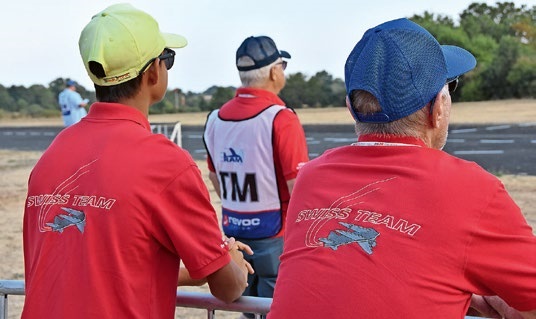
TEAM MANAGER "THIS" BOSSHARD
 Rodito Nussbaumer
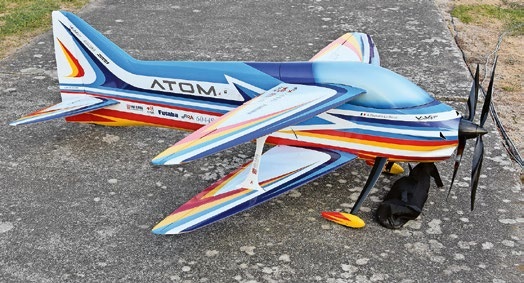
ATOM, THE NEW DOUBLE-DECKER FROM CPLR
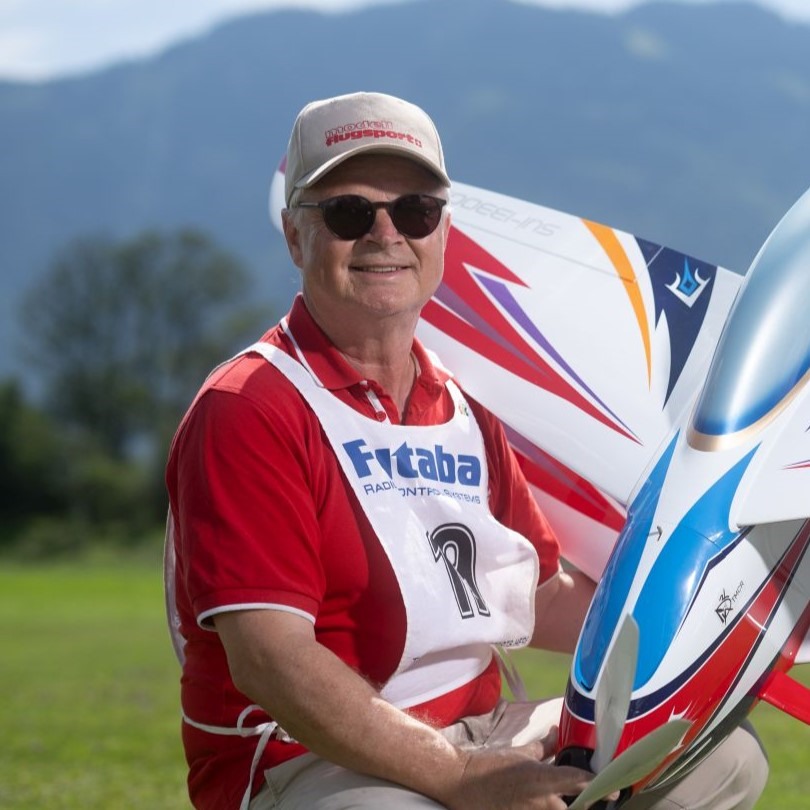 Matthias Bosshard
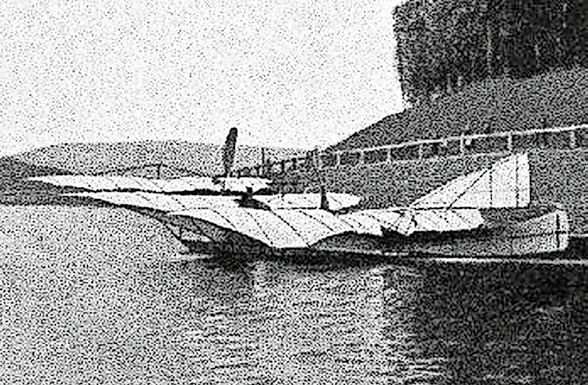
INSIGHTS INTO THE HISTORY OF SEAPLANES
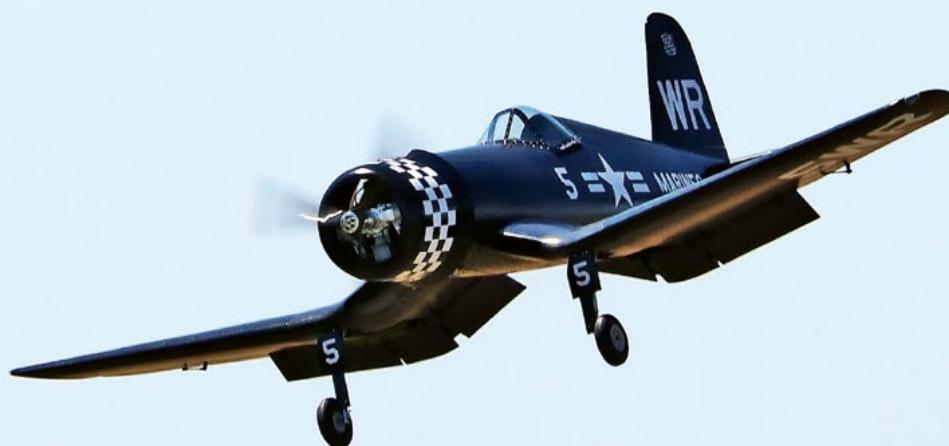
CORSAIR F4U – A WARBIRD WITH A MEMORABLE LOOK
Jürgen Rosenberger, Jürgen Prinz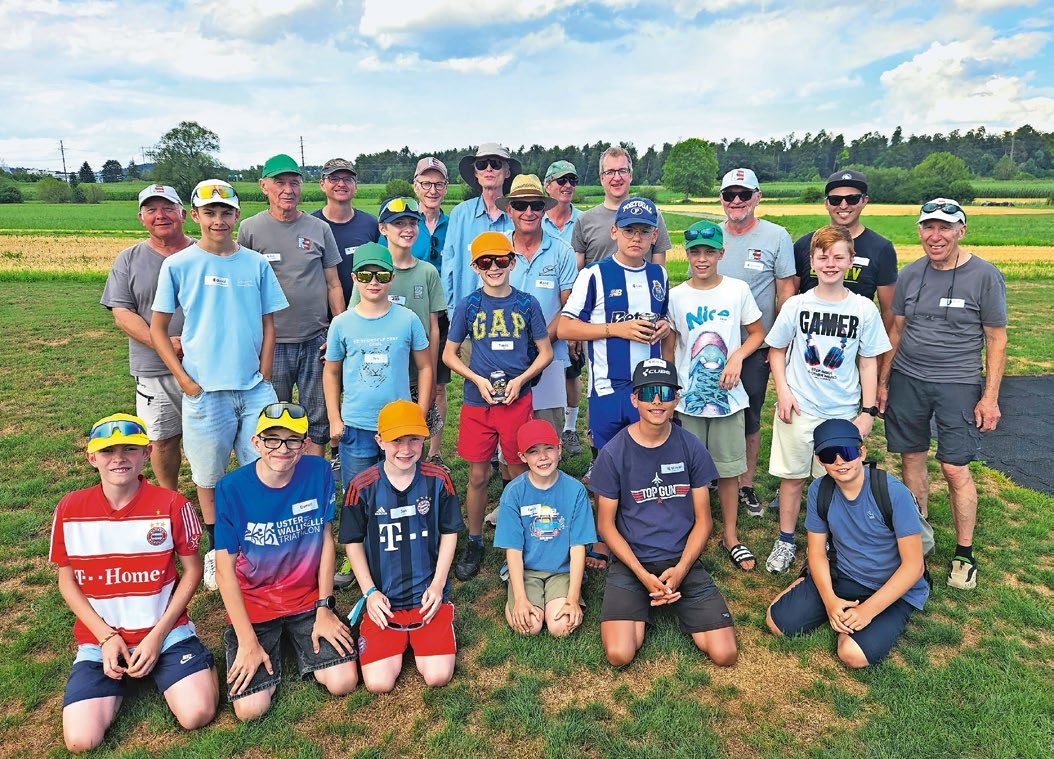
SUMMER FUN 2026 AT MG USTER
Martin Wunderli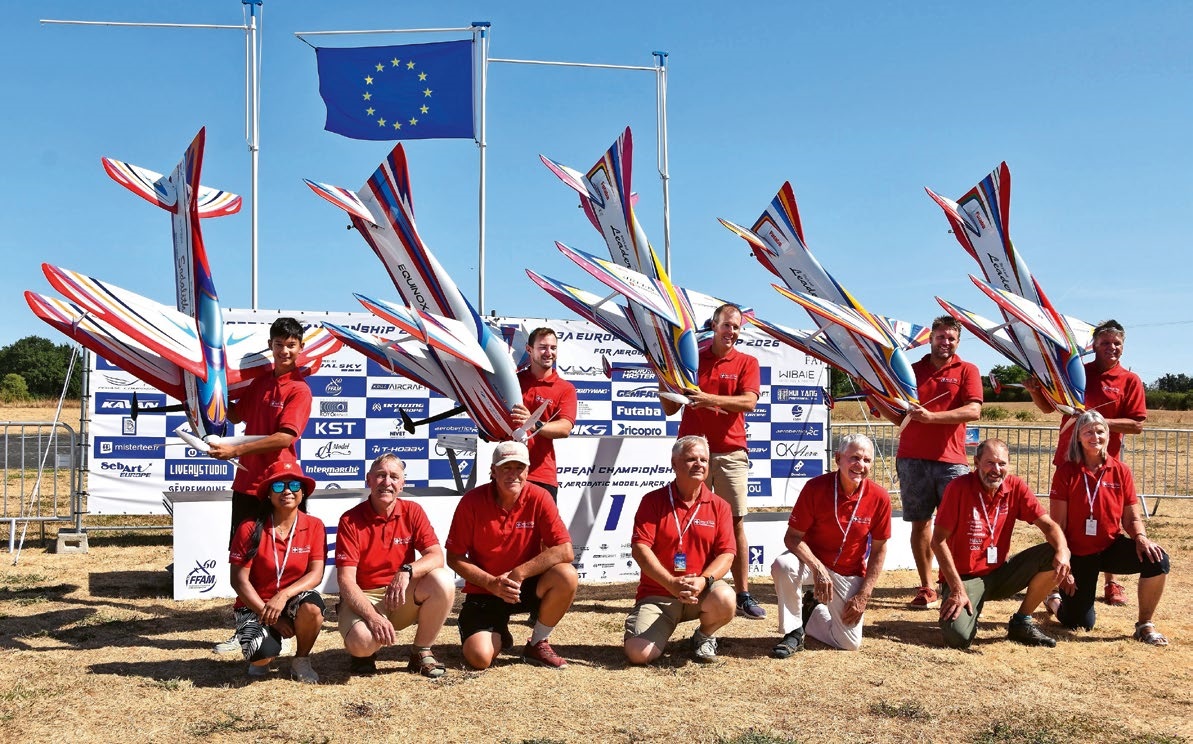
F3A EUROPEAN CHAMPIONSHIPS IN ST-MACAIRE, FRANCE
Matthias Bosshard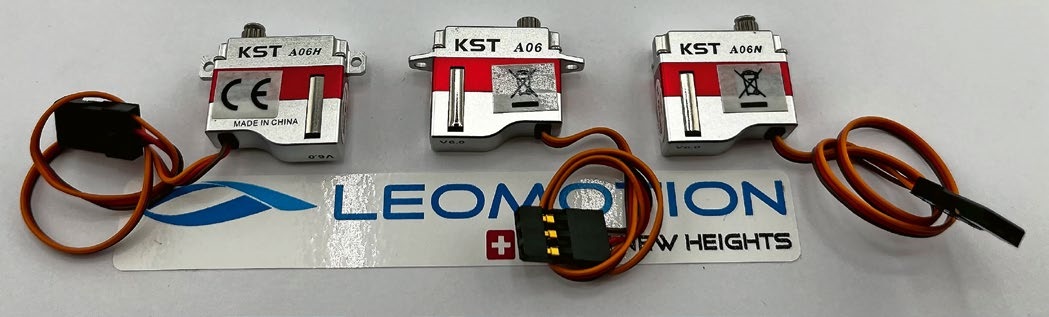
What's New at Leomotion.com
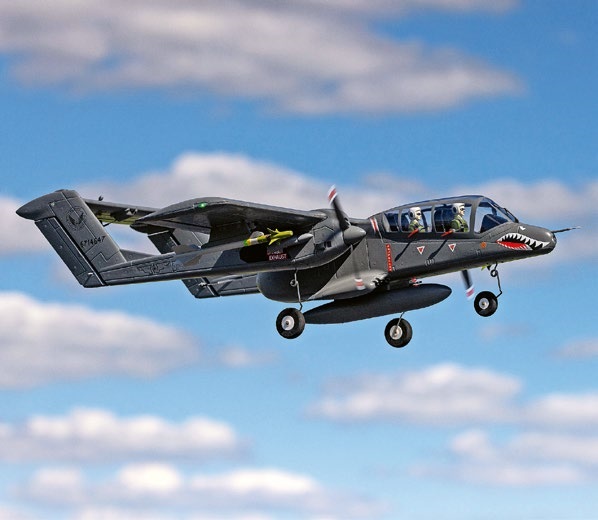
HORIZON HOBBY/LEMACO NEWS: MICRO OV-10 BRONCO 645 MM BY E-FLITE
PRIDE AND GOOD IDEAS
 Markus Nussbaumer
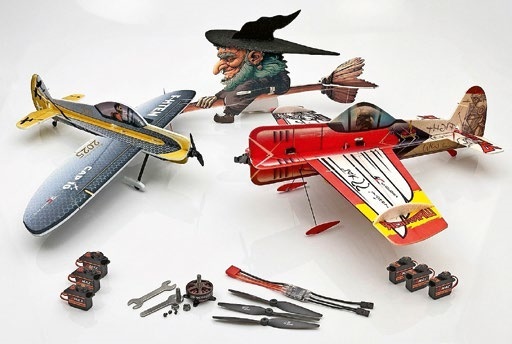
News from HEBU
YOU KNOW WHAT I MEAN? 125 YEARS OF THE SWISS AERO CLUB
 Emil Giezendanner
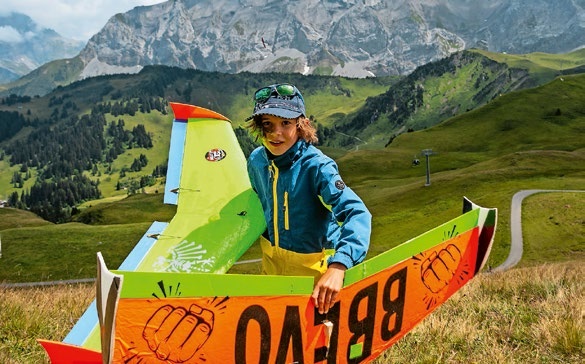
34th HAHNENMOOS ALPINE MODEL AIRPLANE CAMP
Res Dauwalder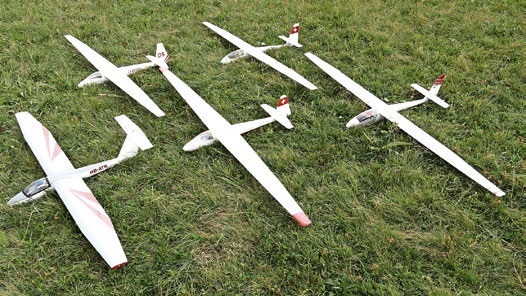
SMALL, MODEL-LIKE SAILBOATS
Res Dauwalder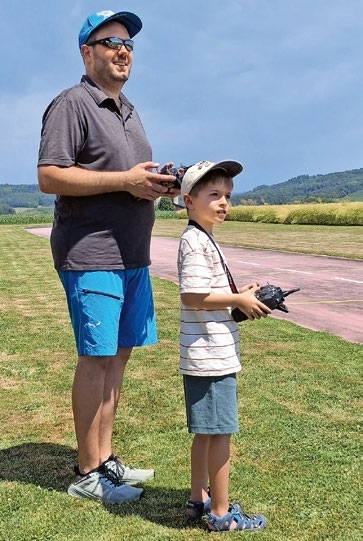
TRY-OUT DAY AT MFV WETTINGEN
Urs Keller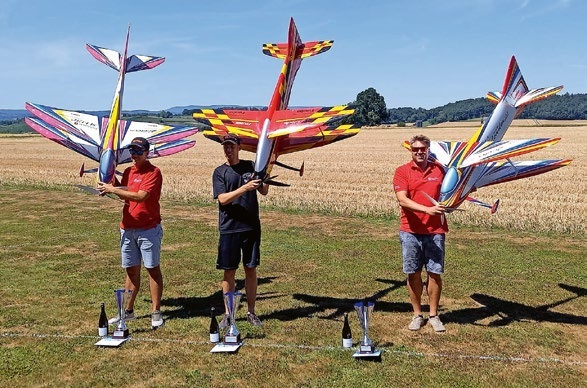
52. 2026 ALPS CUP
Emil Giezendanner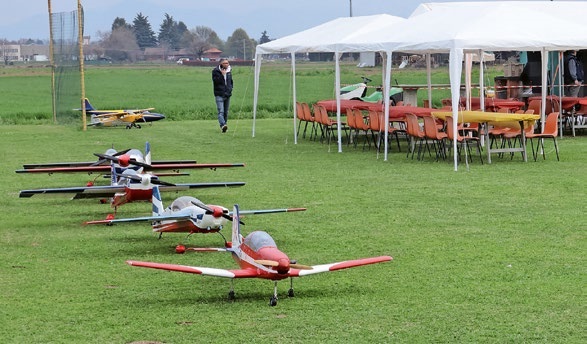
TWIN TOWN PARTNERSHIP
Wolfgang Voeller
EURO CONTEST GLIDER ACRO TOUR AUSTRIA 2026
BY YOUTH, FOR YOUTH
Lorena Betschen
WELCOME, NEW MEMBER!
Andrea Bolliger
FREE FLIGHT IN THE MIDDLE OF SUMMER
Urs Muntwyler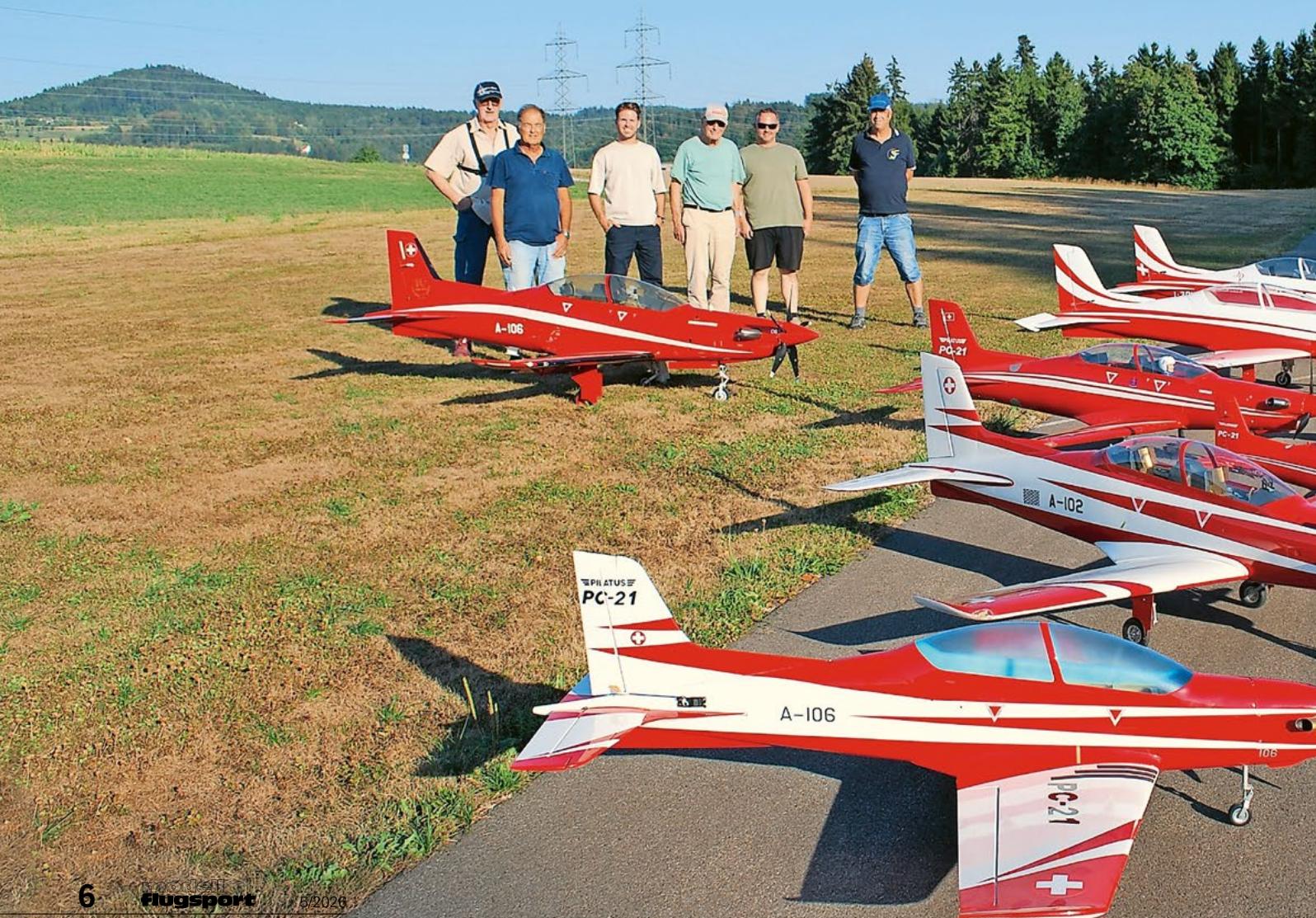
THE PC-21 STORY
Emil Giezendanner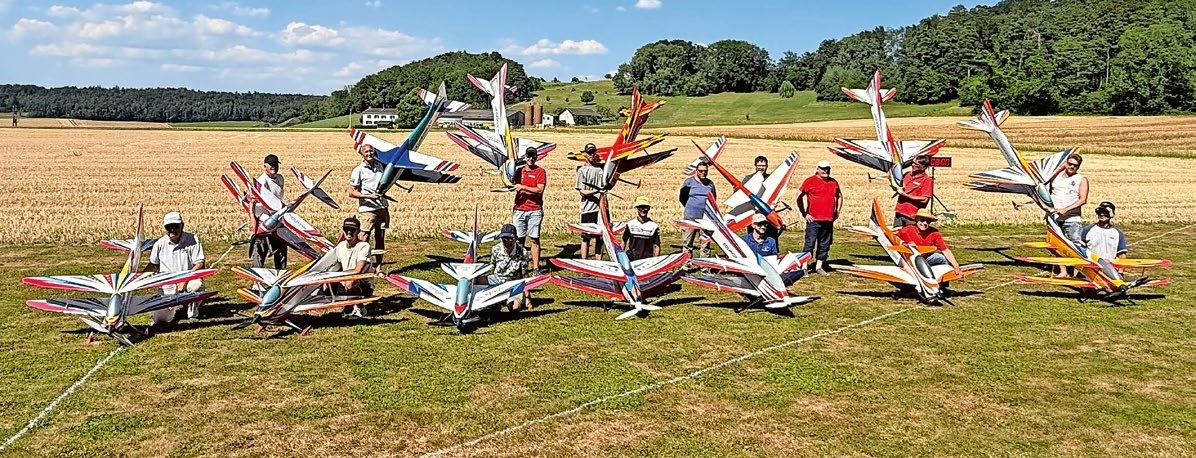
COUPE DES ALPES – OBSERVE AND LEARN
Rodito Nussbaumer
NEWS FROM HEBU
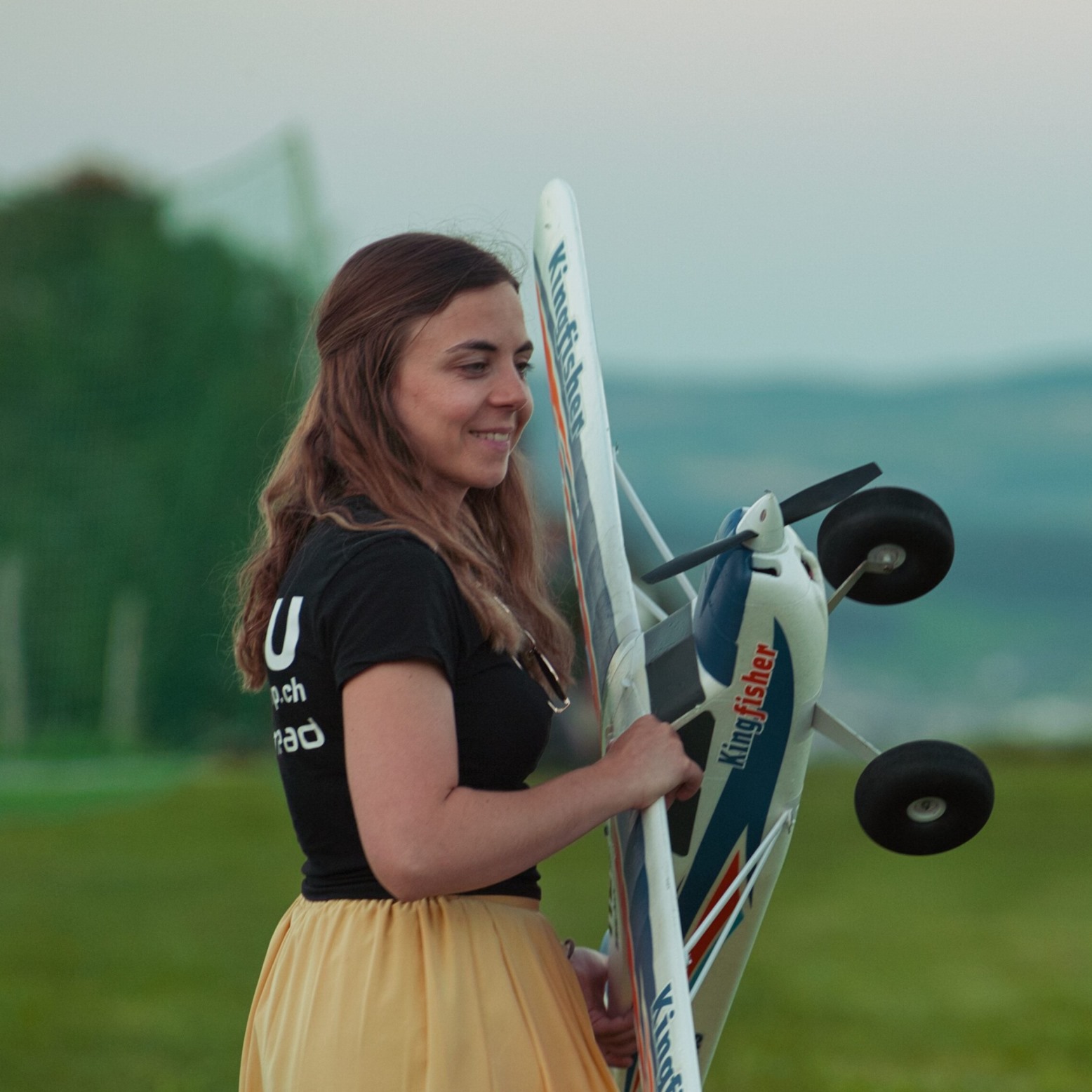 Julia Bucher
FROM 0 TO 100
Markus Nussbaumer
NOS REGION – A HUB FOR ELECTRIC AVIATION
Emil Giezendanner
MEMORIES
Wolfgang Völler
Have you almost forgotten about aircraft that take off and land vertically?
Emil Giezendanner
70 YEARS OF THE NIDWALDEN MODEL AIRPLANE CLUB
Martin Barmettler