
Helicopter Model SA 340
The 1972 Schlüters Helitreffen made it clear to us once and for all that—even though our models flew flawlessly and we managed to get them through the three days of flying without any rotor tangles—there was still room for improvement. In particular, the hovering performance—the ability to hover—was quite unsatisfactory. Yet this is precisely where the helicopter’s strength should lie!
The altitude control method used by Mr. Schlüter—which involved increasing or decreasing the speed of the main rotor—proved to be too sluggish when combined with the inertial Hillers system. This led, especially in turbulent weather, to a very unpleasant up-and-down motion caused by the fact that, the moment a gust hits the main rotor, it converts the additional fresh air it receives into an increase in altitude. Conversely, the same applies, of course. No model engine has sufficient torque—not even with a heavily under-ratioed gearbox like the one we used—to compensate for such fluctuations quickly enough.
For the helicopter novice, however, this type of control system still seems to me to be the best compromise due to its simple design and ease of maintenance. No one has ever learned to fly at a lathe!
But we didn’t want to settle for what we had, and when my fellow rotor blade filer, Kurt Sau-pe, started throwing around catchphrases like “Standing still is a step backward” and the like, it was clear: we had to put our heads together.
So, on the drive back from Saffig—thank goodness we were on the highway—a new control system was conceived, which was to look like this:
We didn’t want to do without the Hiller system used by Mr. Schlüter because of its good damping and low control forces. In addition, the difficulties Mr. Kavan had with the Bisterfeld rotor (Bell system) gave us a lot to think about. Our rotor was to remain semi-rigid—that is, it was not to contain any complicated swivel joints—and it had to be possible to adjust the blades collectively.
Upon arriving in Basel, we were the proud owners of such a device—theoretically, of course—but that was just as well, because the thing turned out to be—
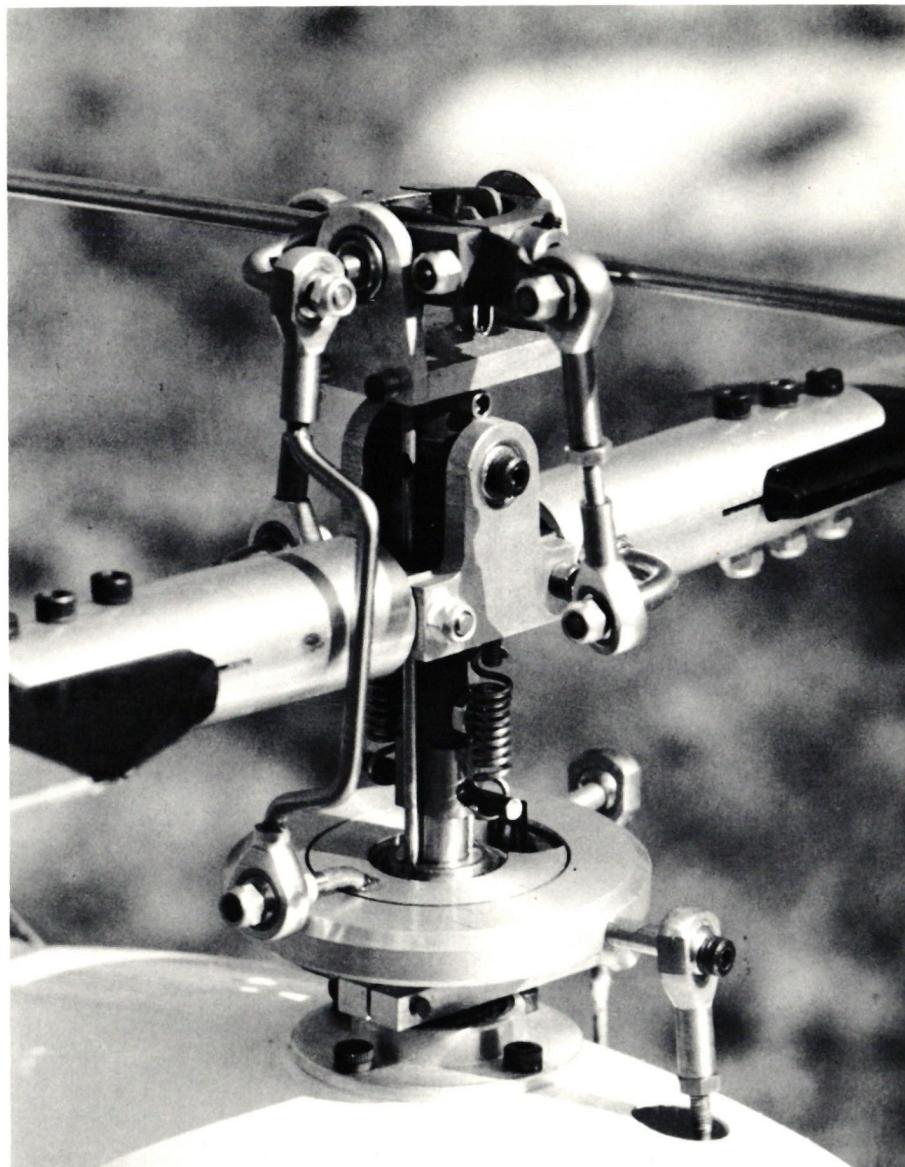
as completely useless. The right solution then emerged quite unexpectedly during rainy weather at the airfield, and was “crafted” right there on the spot using pins and balsa wood shavings into a functional model that would later live up to its name. Graupner’s Twin-Jet now flies according to the same principle!
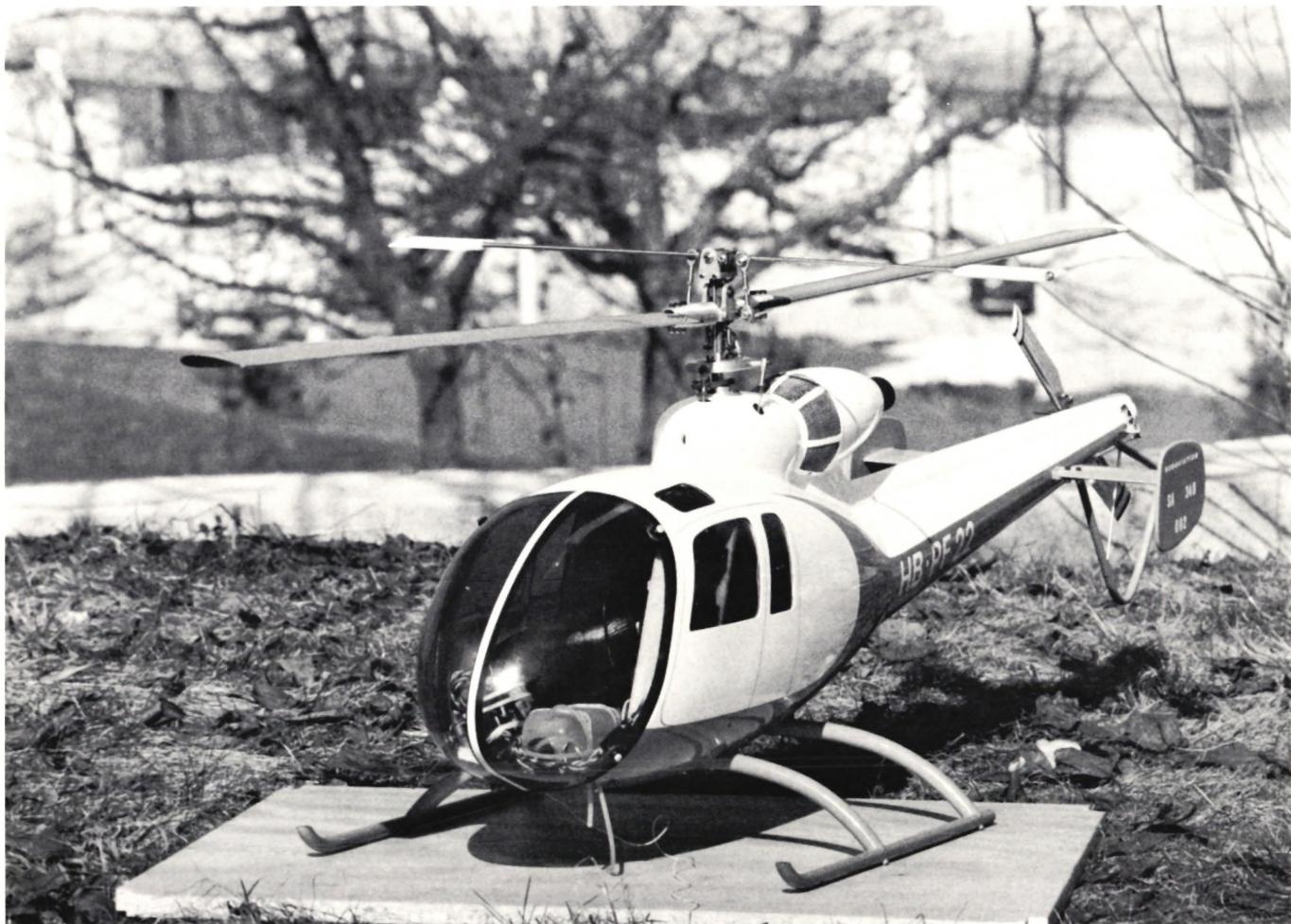
The model shown here is a replica of the SA 340 built by Sud-Aviation. Only prototypes of this aircraft were ever produced. All dimensions of the model correspond quite closely to the original; the only stylistic departure is the two-bladed rotor.
The fuselage is made of fiberglass and is seamless. The canopy is deep-drawn. Particular challenges arose with the cooling air intake, which under no circumstances was to flow over the carburetor, as in Schlüter’s Cobra. An engine that sucks in its own exhaust fumes will never deliver its full power! An additional cover was therefore necessary to direct the airflow to one side of the fuselage
, while the carburetor draws air from the underside. All mechanical components are installed from the front through a removable canopy. This has the significant advantage that the fuselage—which is very stable due to its egg-shaped design—is not unnecessarily weakened by a large cutout in the floor. A powerless “landing” from a height of 30 m was handled without a hitch in this way!
The fan, clutch, transmission, etc., are custom-made but largely based on Schlüter’s design, as it has proven reliable! A 1.5-mm steel wire serves as the drive for the tail rotor, and it has never let us down so far. Equally reliable is the built-in 10 cc HP bell-type rotary valve engine, a motor that is characterized by its easy starting and astonishing torque across all RPM ranges.
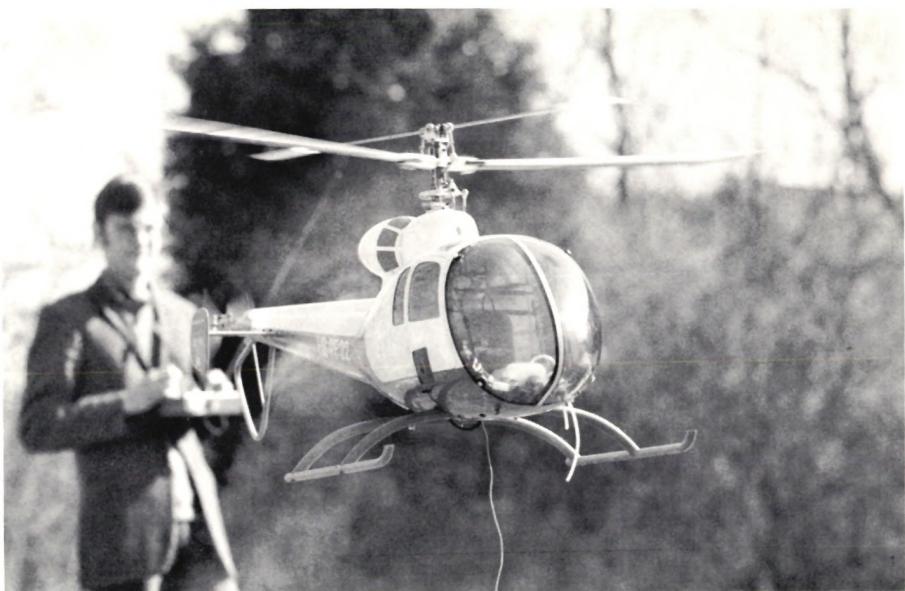
The model is controlled via 4 channels, with the right stick configured as a cross-stick, similar to the transmitter layout commonly used in Switzerland. It is used to control the longitudinal and lateral axes (cyclic pitch of the main rotor). The left stick controls the vertical axis (tail rotor) and simultaneously operates the motor and collective pitch. The motor and blades are adjusted synchronously by two servos linked together. The ratio at which the two servos operate relative to each other is crucial. The motor should reach its maximum power at a specific point within the first third of the stick’s travel, while the remaining travel is reserved for blade pitch adjustment. Advantage: The propulsion system is under control at all times; I’m thinking in particular of the not-so-rare “stall,” which can be eliminated by quickly throttling back. If the motor is controlled via a 5th channel, it naturally takes longer for nervous fingers to find the additional lever. Disadvantage: There’s no way to change the selected tuning ratio via the transmitter once it’s been set. Mr. Albert Frei (Digi-Fly) is currently working on an electronic speed control system that should also solve this problem. Engine stalls have rarely happened to us, but they do occur. Top priority: Fly rich—the engine must produce distinctly blue exhaust. If the engine stalls despite this, it always ends with a loud bang; because by the time the centrifugal clutch releases the rotor, it has already lost so much speed,
that autorotation is no longer possible. Any promises made in brochures should therefore be taken with a grain of salt. The only solution here is a freewheel, such as the one we use in the SA 340. With the help of this freewheel, we have achieved genuine autorotation conditions; however, due to a lack of courage, we have never carried them through to the bitter end—that is, to the point of landing. The rate of descent, however, was quite manageable and consistent, and a noticeable increase in the main rotor’s RPM was audible,
which represents a small step forward. Two prototypes of the SA 340 model are currently in flight. Both models are perfectly controllable, both in hover and in the extremely fast forward flight made possible by their aerodynamically favorable shape. These and other favorable characteristics have prompted us to consider having a small number of units manufactured so that other model aircraft enthusiasts who lack the necessary mechanical resources can also enjoy helicopter flying. Gerd Schweidler

TEAM MANAGER "THIS" BOSSHARD
 Rodito Nussbaumer
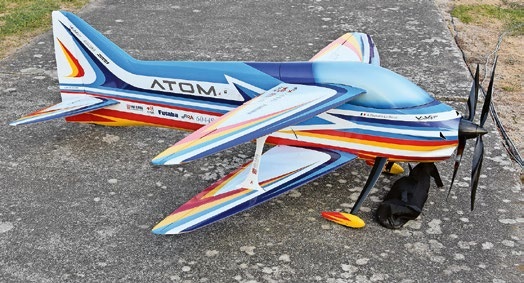
ATOM, THE NEW DOUBLE-DECKER FROM CPLR
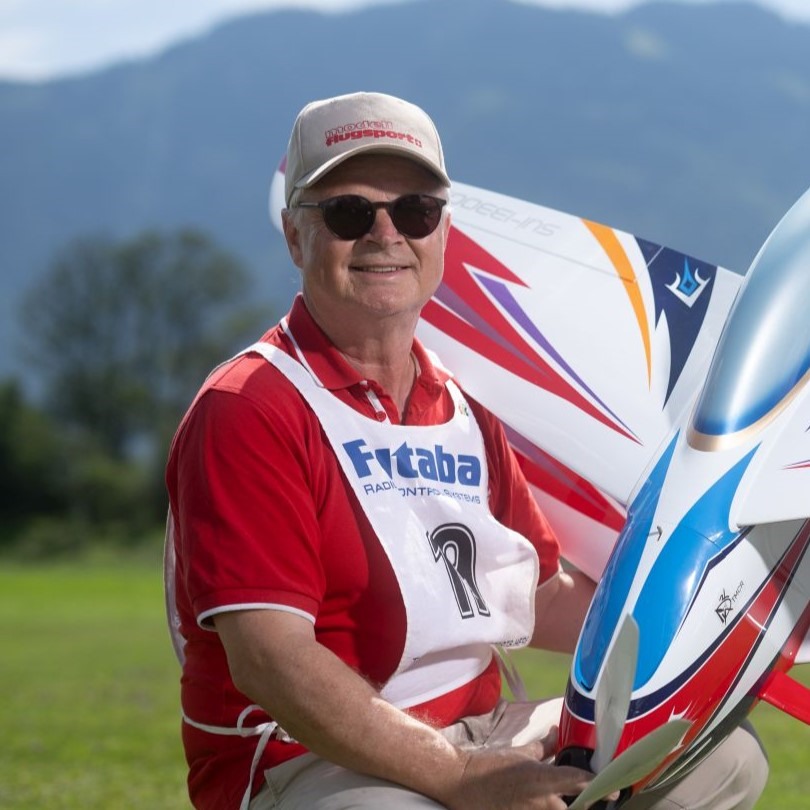 Matthias Bosshard
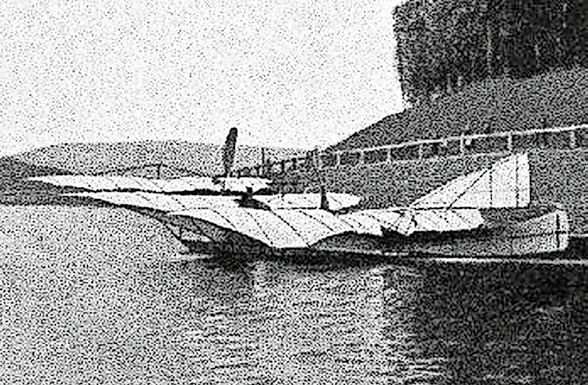
INSIGHTS INTO THE HISTORY OF SEAPLANES
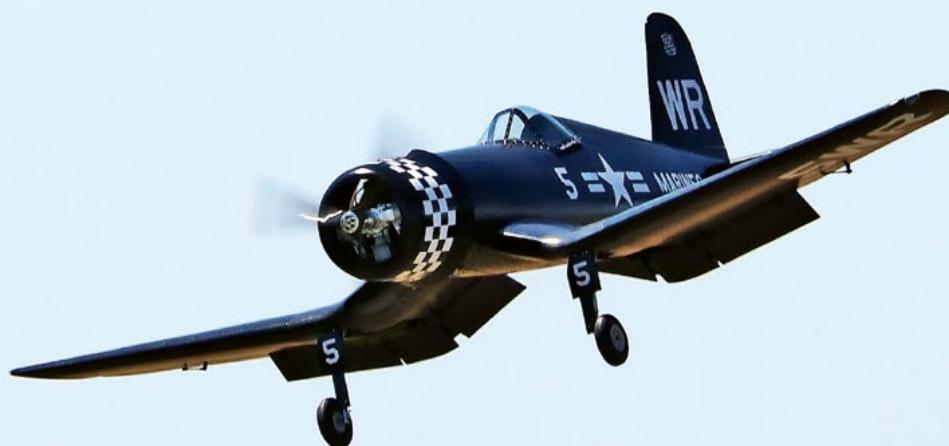
CORSAIR F4U – A WARBIRD WITH A MEMORABLE LOOK
Jürgen Rosenberger, Jürgen Prinz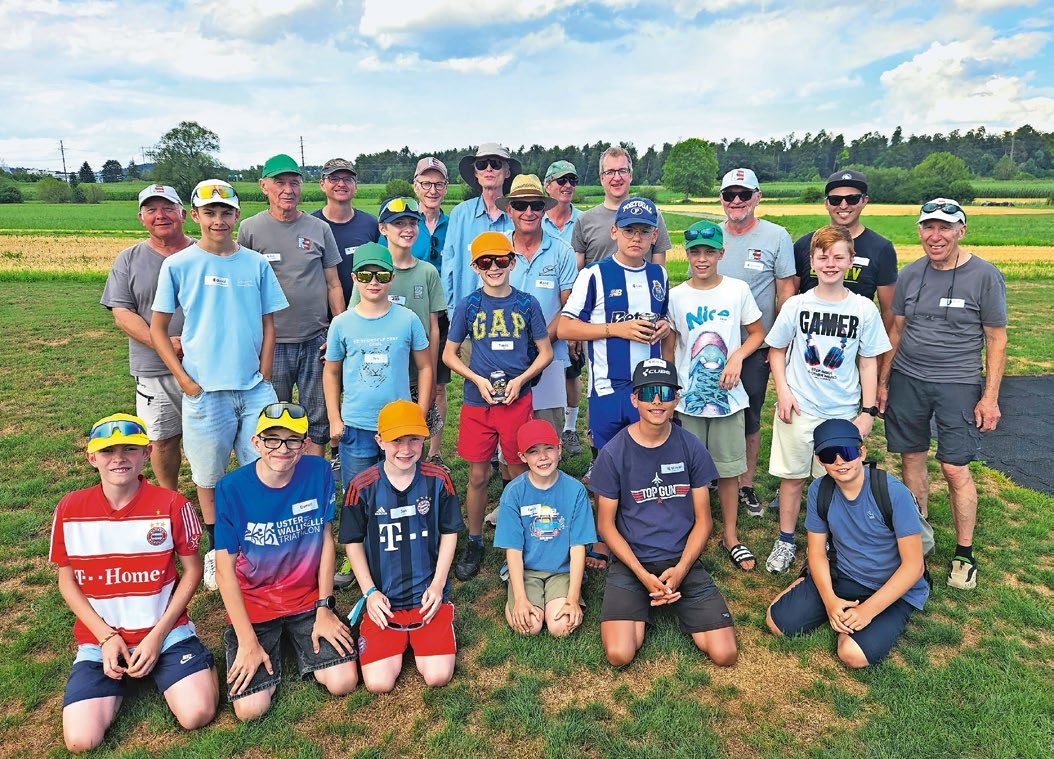
SUMMER FUN 2026 AT MG USTER
Martin Wunderli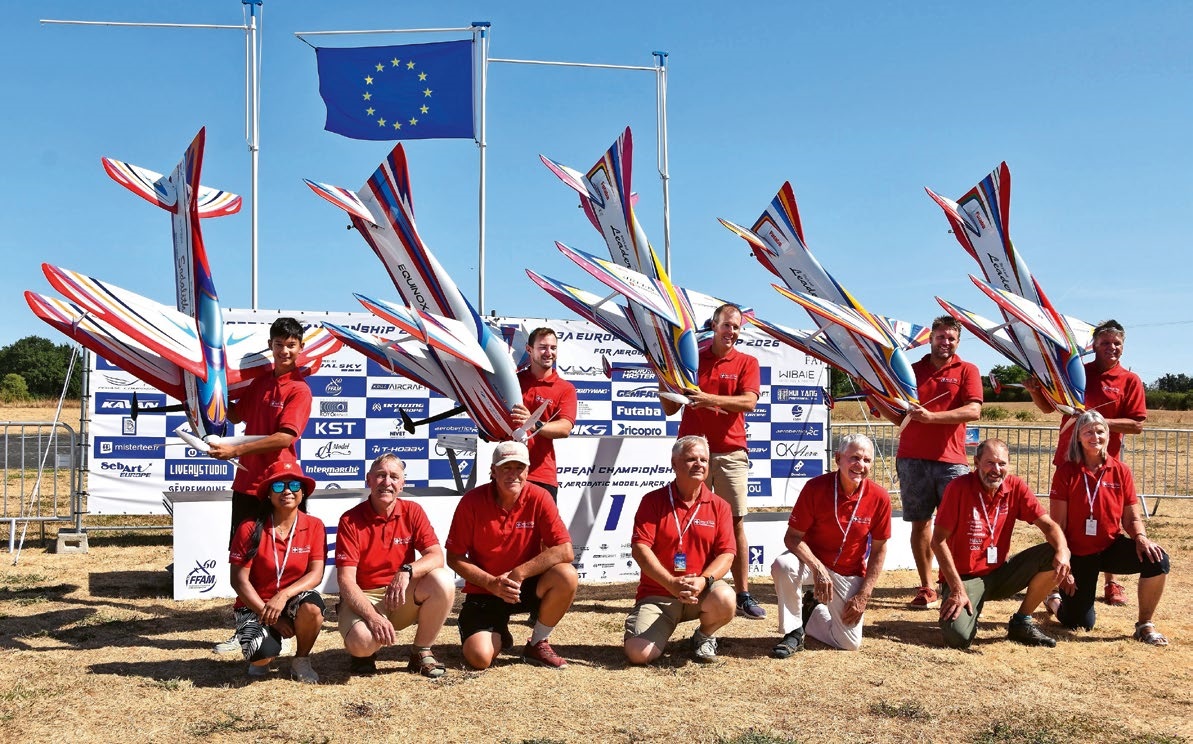
F3A EUROPEAN CHAMPIONSHIPS IN ST-MACAIRE, FRANCE
Matthias Bosshard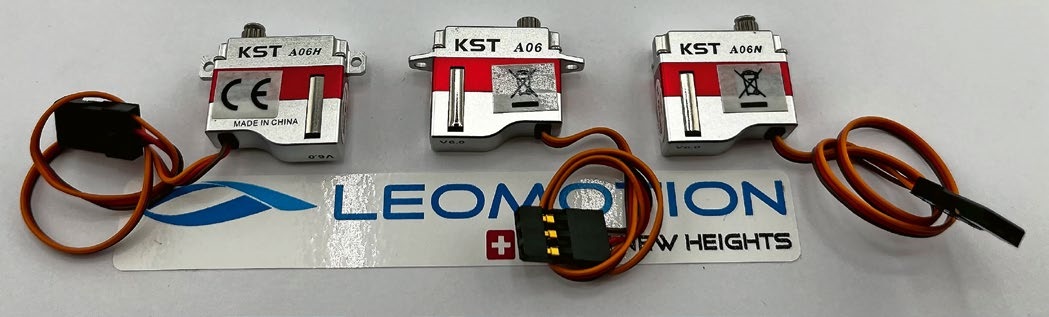
What's New at Leomotion.com
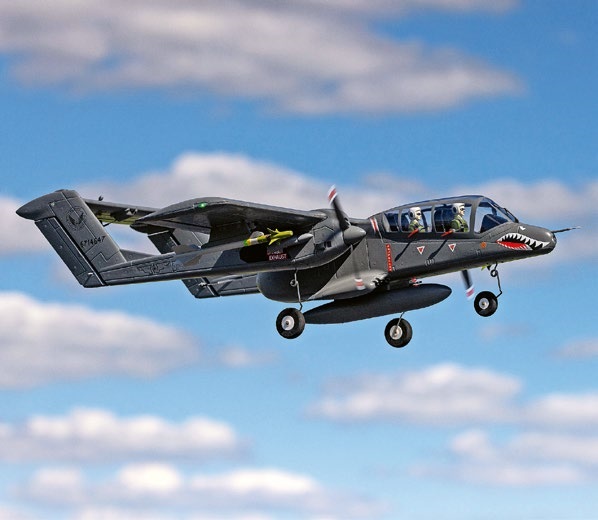
HORIZON HOBBY/LEMACO NEWS: MICRO OV-10 BRONCO 645 MM BY E-FLITE
PRIDE AND GOOD IDEAS
 Markus Nussbaumer
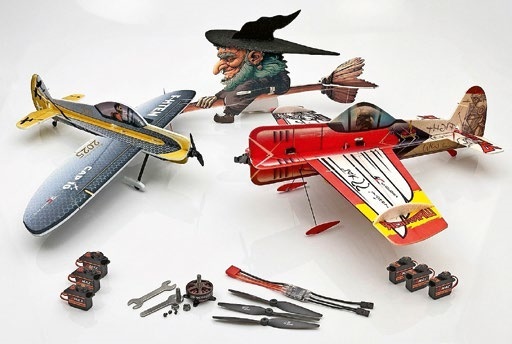
News from HEBU
YOU KNOW WHAT I MEAN? 125 YEARS OF THE SWISS AERO CLUB
 Emil Giezendanner
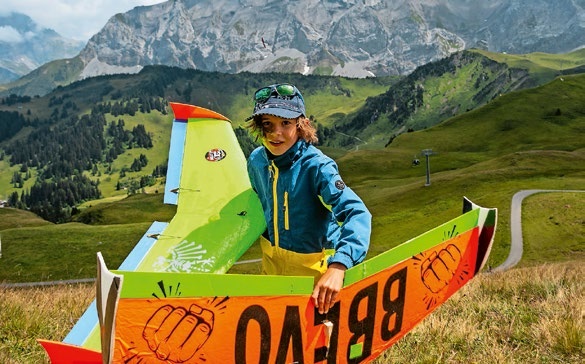
34th HAHNENMOOS ALPINE MODEL AIRPLANE CAMP
Res Dauwalder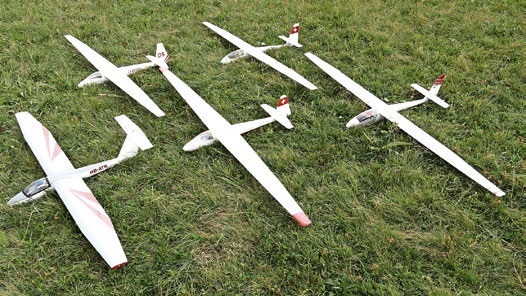
SMALL, MODEL-LIKE SAILBOATS
Res Dauwalder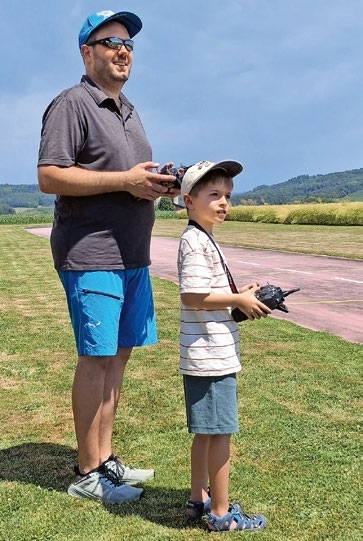
TRY-OUT DAY AT MFV WETTINGEN
Urs Keller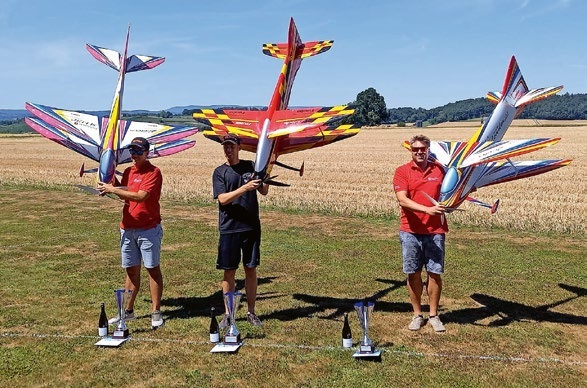
52. 2026 ALPS CUP
Emil Giezendanner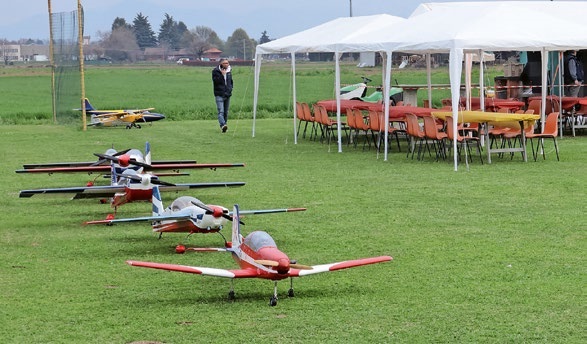
TWIN TOWN PARTNERSHIP
Wolfgang Voeller
EURO CONTEST GLIDER ACRO TOUR AUSTRIA 2026
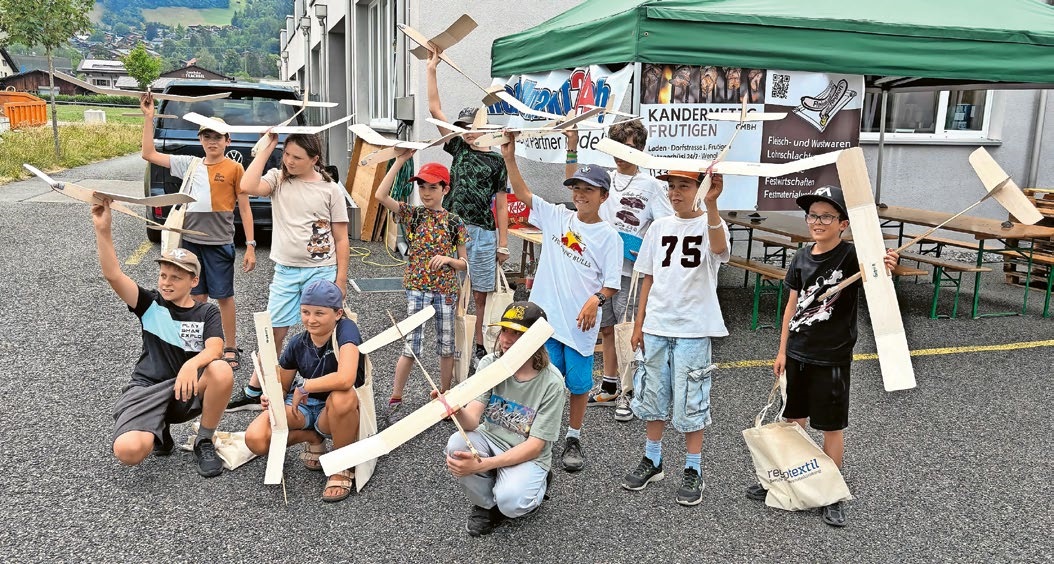
BY YOUTH, FOR YOUTH
Lorena Betschen
WELCOME, NEW MEMBER!
Andrea Bolliger
FREE FLIGHT IN THE MIDDLE OF SUMMER
Urs Muntwyler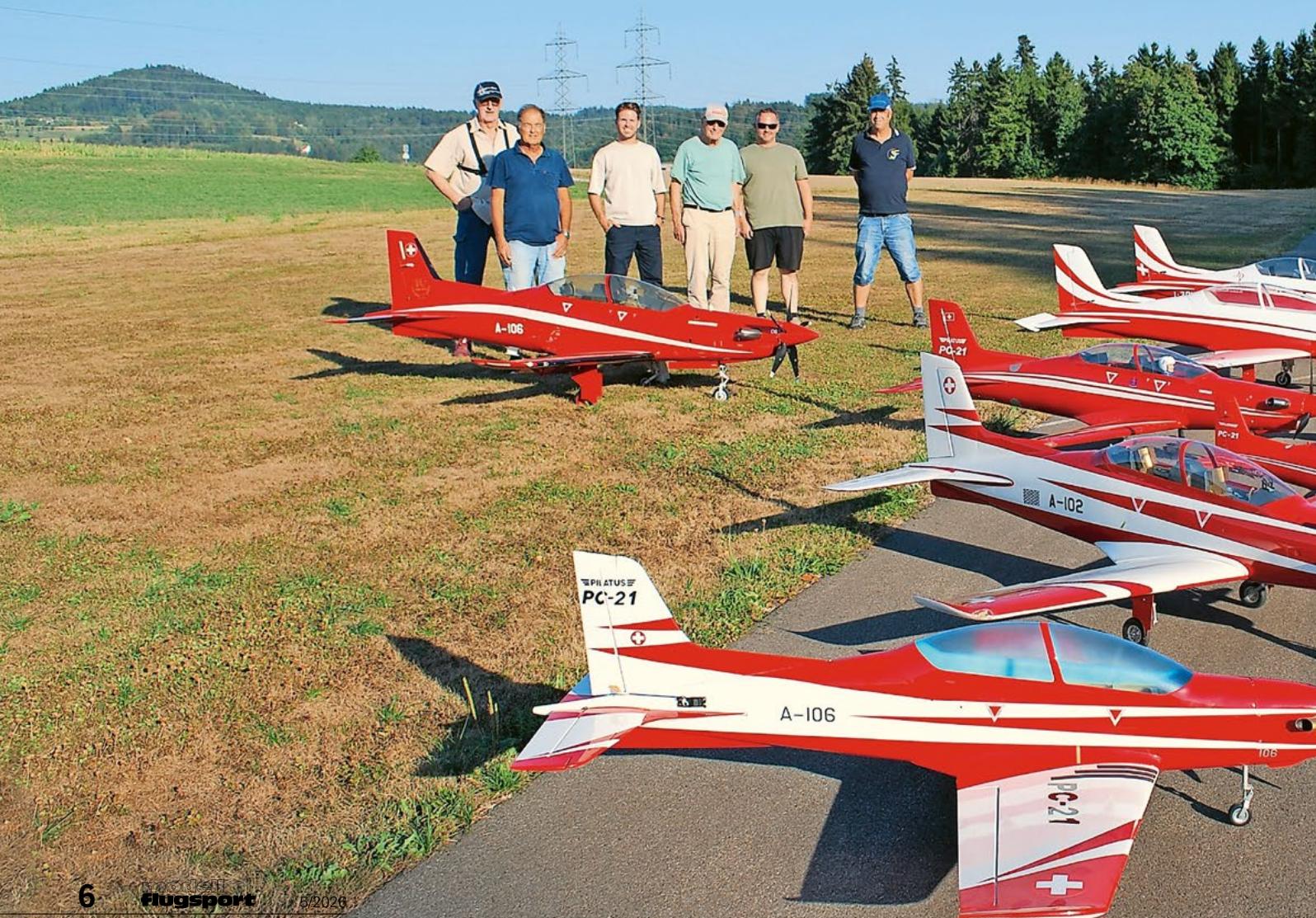
THE PC-21 STORY
Emil Giezendanner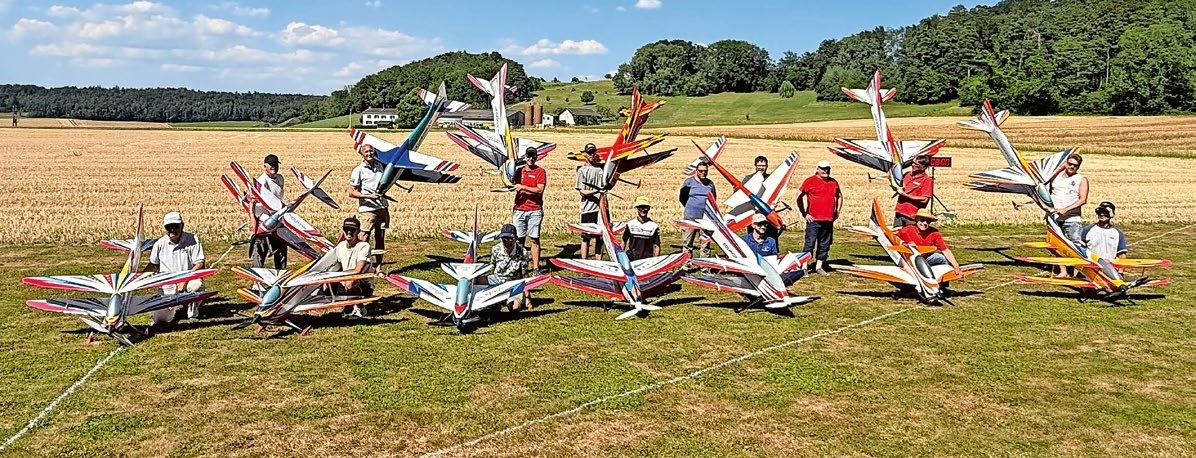
COUPE DES ALPES – OBSERVE AND LEARN
Rodito Nussbaumer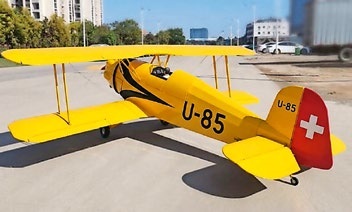
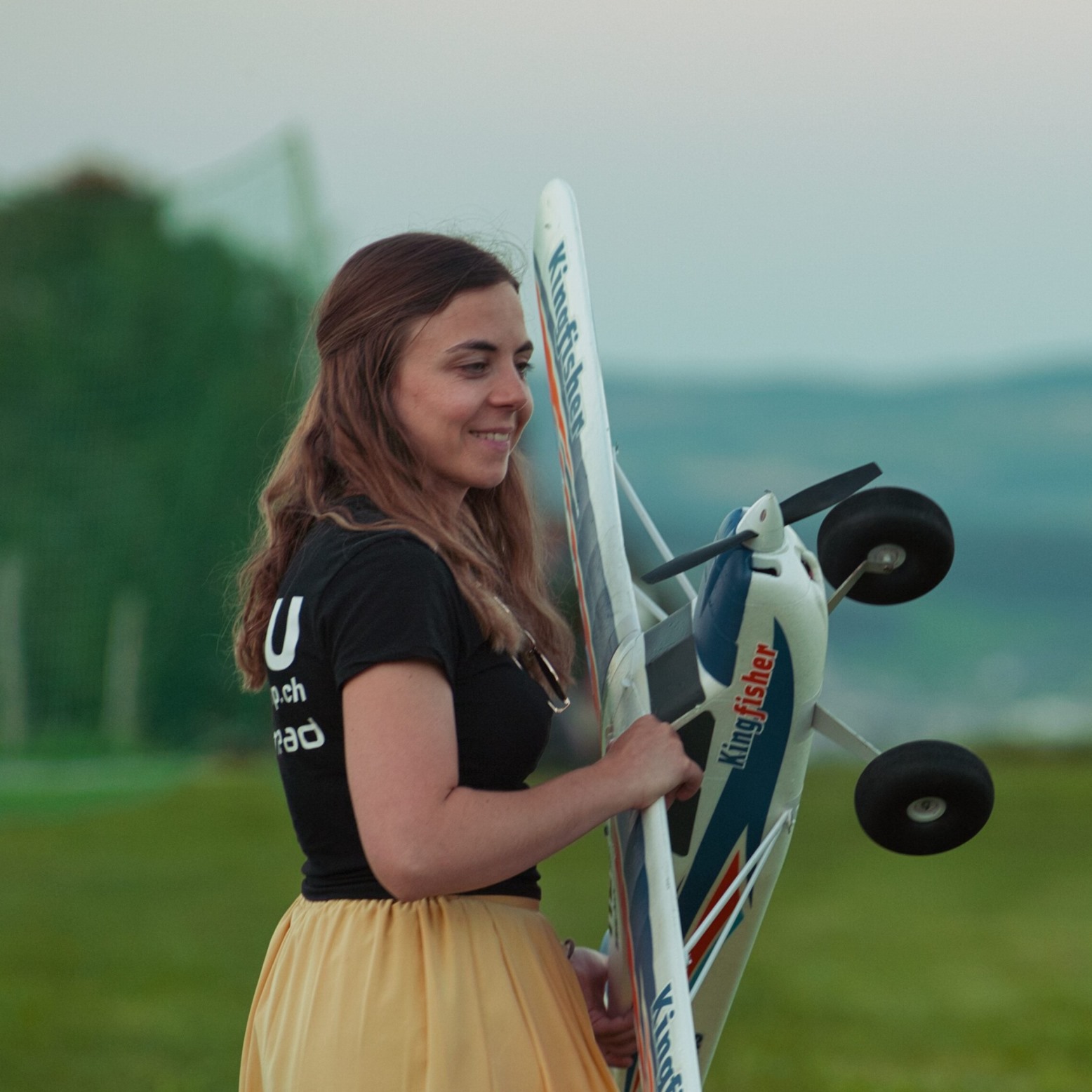
NEWS FROM HEBU
 Julia Bucher
FROM 0 TO 100
Markus Nussbaumer
NOS REGION – A HUB FOR ELECTRIC AVIATION
Emil Giezendanner
MEMORIES
Wolfgang Völler
Have you almost forgotten about aircraft that take off and land vertically?
Emil Giezendanner
70 YEARS OF THE NIDWALDEN MODEL AIRPLANE CLUB
Martin Barmettler