
Flying with Foam—Opportunities and Risks
Dear Reader
Styrofoam and other foams have a long tradition in model aircraft building. As early as the 1960s, wings were cut from inexpensive construction-grade Styrofoam and covered with balsa wood. In F3A aerobatics, they likely made up the majority of models. Even at the dawn of the rapidly booming large glider scene, foam wings were indispensable for a long time. Back then, Styrofoam was a perfectly accepted building material. That changed abruptly when we eager and innocent “balsa-Styrofoam enthusiasts” were swept away by a wave of prefabricated foam models. From a distance, these things looked more or less like model airplanes. Upon closer inspection—or even in action—they turned out to be shoddy junk, and the seemingly low price bordered on extortion. First landing: landing gear gone. Second landing: straight into the trash bag!
Criticism wasn’t long in coming. The first “Styrofoam-free zones” were declared when the “professors” among the association’s youth advocates spoke up: They didn’t see those odd Styrofoam chunks as a symbol of the lost innocence of skilled model airplane builders and pilots, but rather emphasized their great value for promoting the next generation. This was undeniably justified, but only once the silly jets and bombers in their souped-up boxes had been pushed into the background by serious and well-flying electric gliders. Many young people and late bloomers learned to fly with these gliders. Moreover, the entire foam model industry has caught up tremendously in recent years. Foam models—for example, trainer models, semiscale aircraft such as jets, multi-engine aircraft, etc., of all sizes—have reached a level of perfection that never ceases to amaze me
. Most come fully equipped and ready to fly—though unfortunately, they’re not always technically up to date: New models are available, but the old ones have to be sold first.
All’s well that ends well, one might think. Not quite. The low purchase prices of fully equipped models provide little incentive to carry out repairs in the event of damage. The very important experience of outfitting an empty airplane from A to Z is also being lost. How are we older colleagues supposed to help a junior with this when we ourselves have shifted our focus back to ready-to-fly models? We can hardly find any clubs anymore where members are willing and able to get a somewhat more challenging model ready to fly. Good ideas are needed. Perhaps artificial intelligence (AI) will help us in the future?
Best regards
, Emil Ch. Giezendanner
The opinions expressed on this page by the editor—as well as by other authors of this issue—do not necessarily reflect the official position of the SMV. Readers can find official association announcements in the “SMV” section.
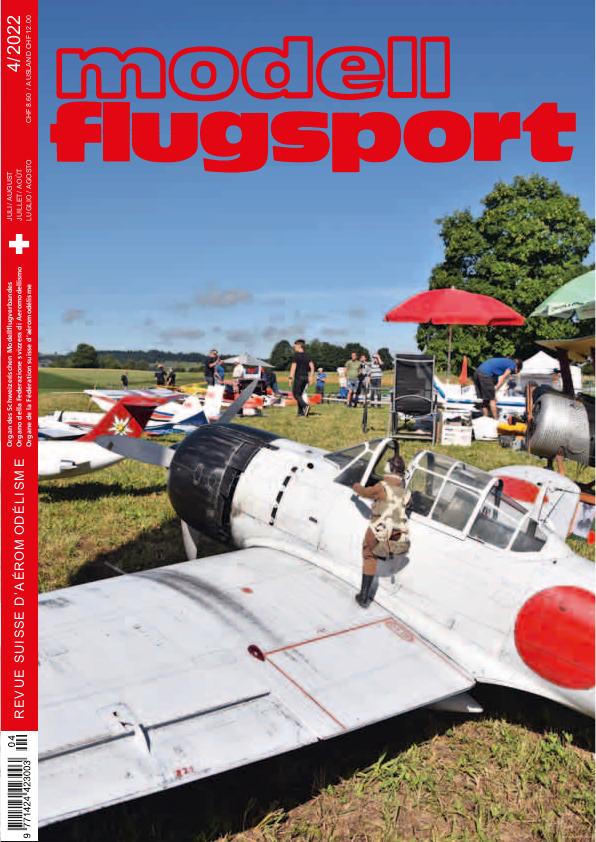
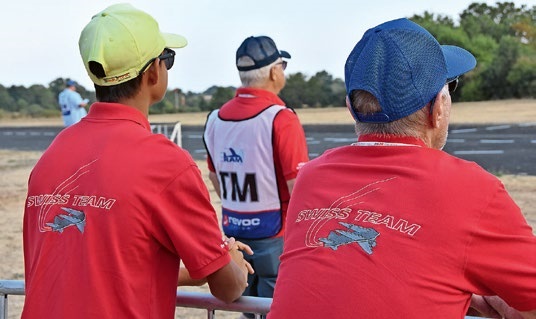
TEAM MANAGER "THIS" BOSSHARD
 Rodito Nussbaumer
YOU KNOW WHAT I MEAN? 125 YEARS OF THE SWISS AERO CLUB
 Emil Giezendanner
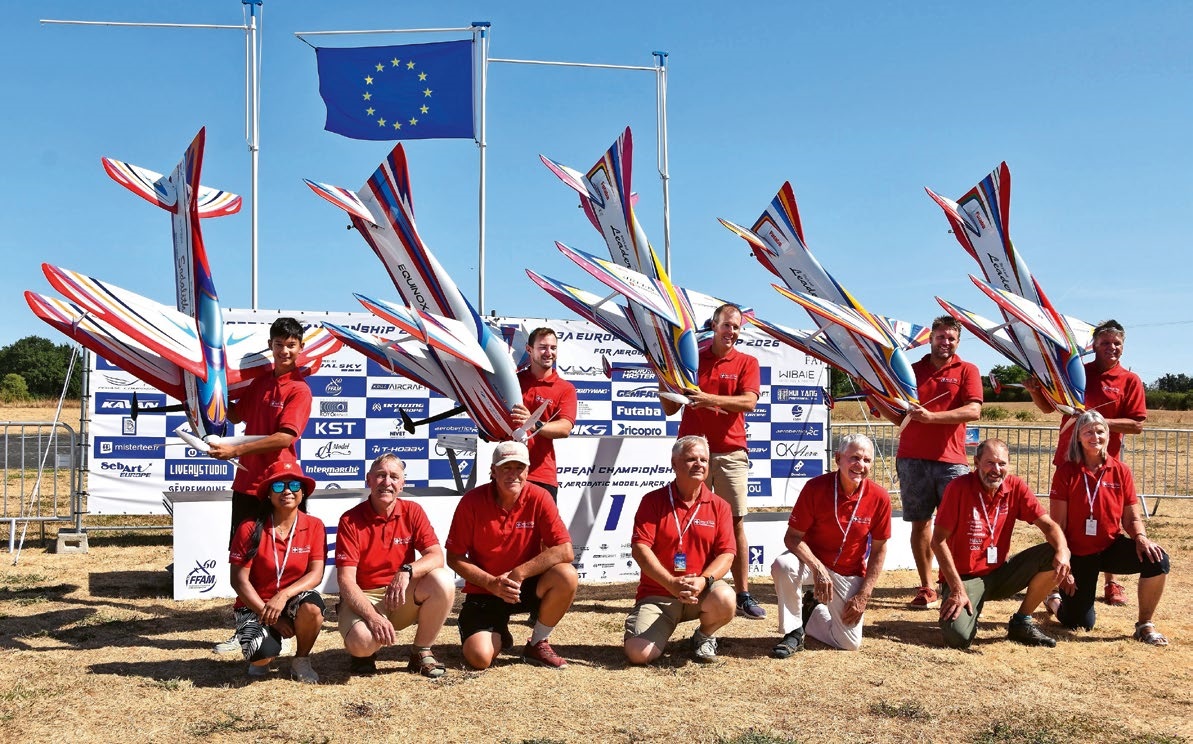
F3A EUROPEAN CHAMPIONSHIPS IN ST-MACAIRE, FRANCE
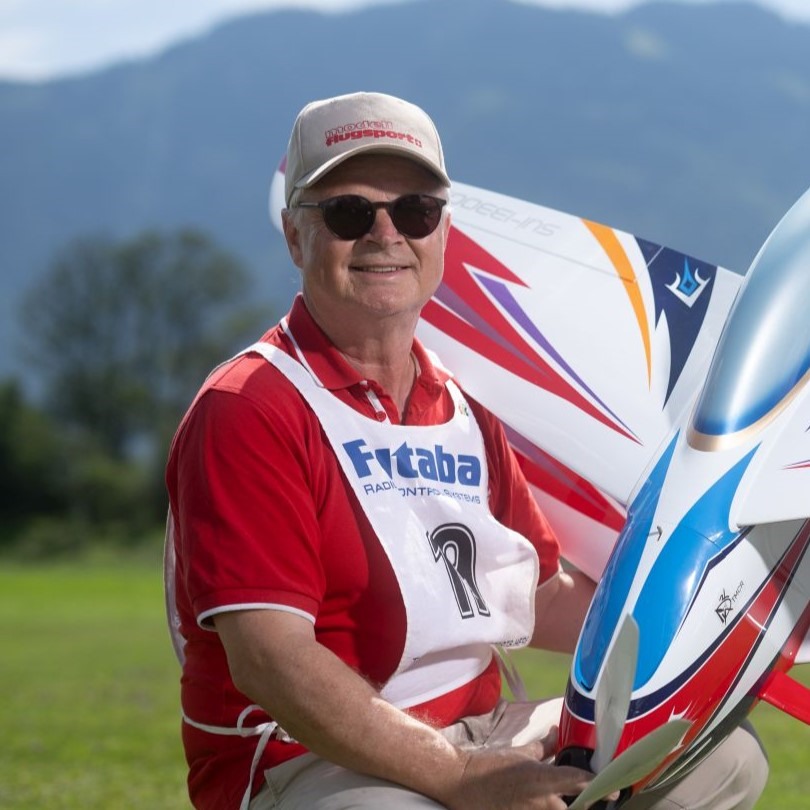 Matthias Bosshard
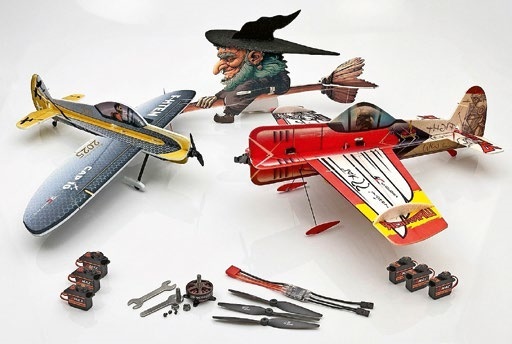
News from HEBU
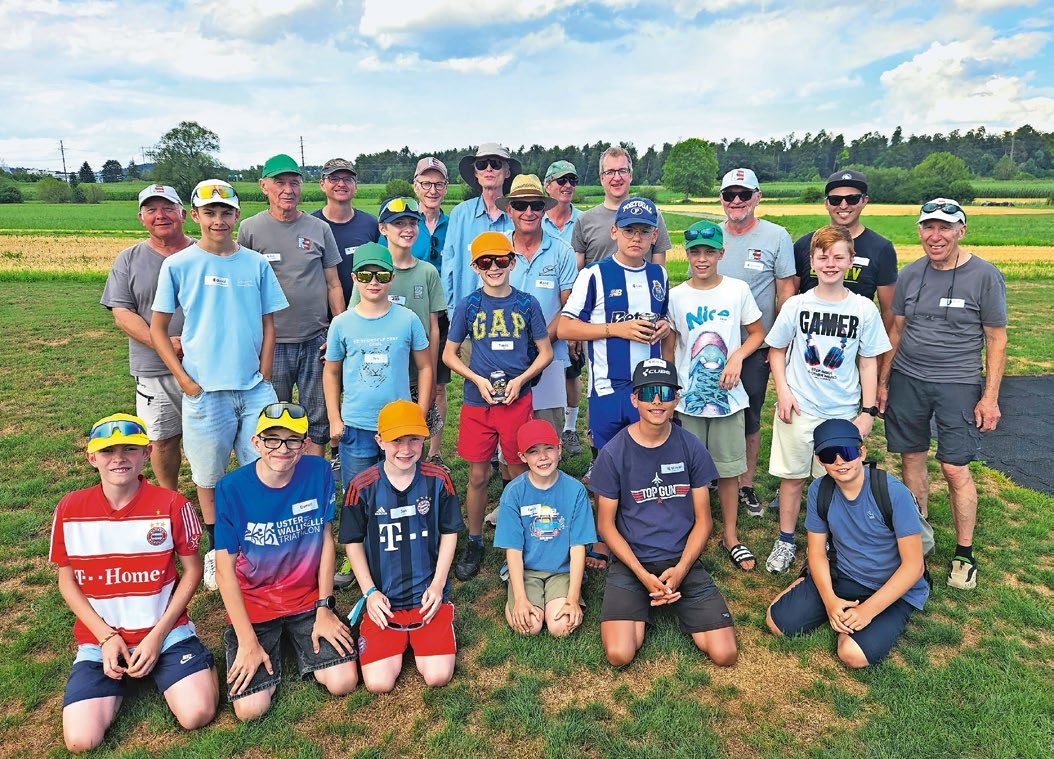
SUMMER FUN 2026 AT MG USTER
Martin Wunderli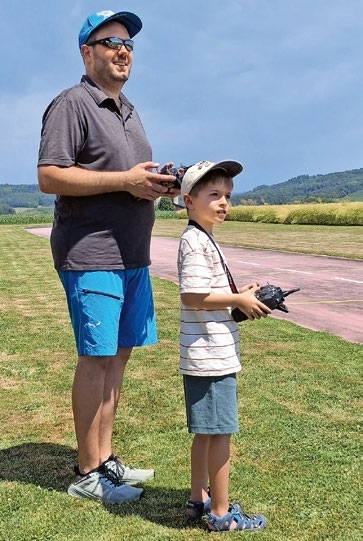
TRY-OUT DAY AT MFV WETTINGEN
Urs Keller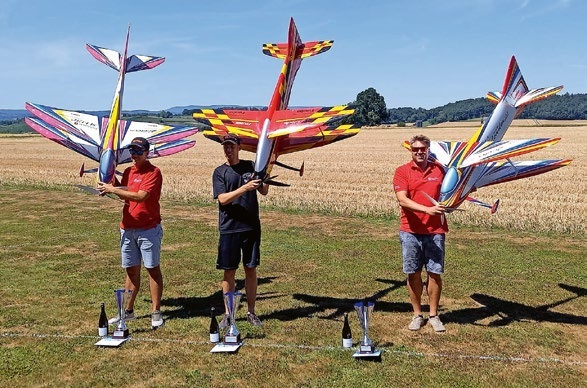
52. 2026 ALPS CUP
Emil Giezendanner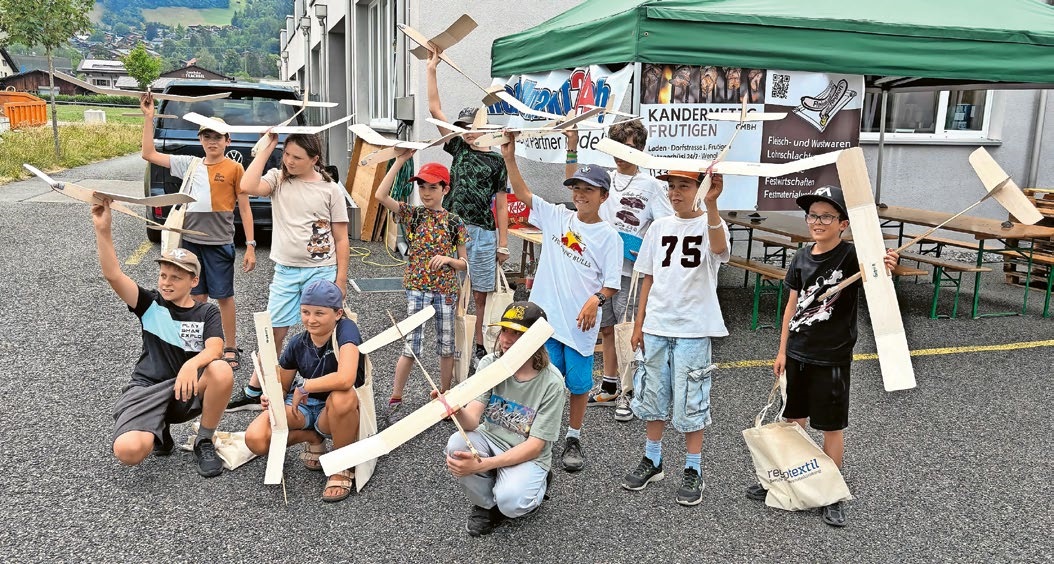
BY YOUTH, FOR YOUTH
Lorena Betschen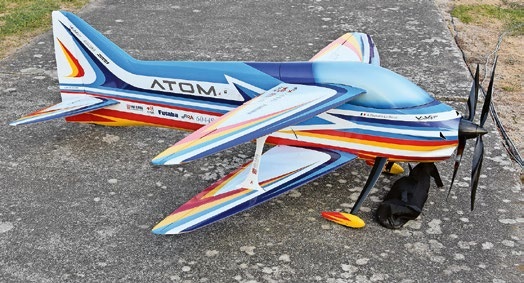
ATOM, THE NEW DOUBLE-DECKER FROM CPLR
Matthias Bosshard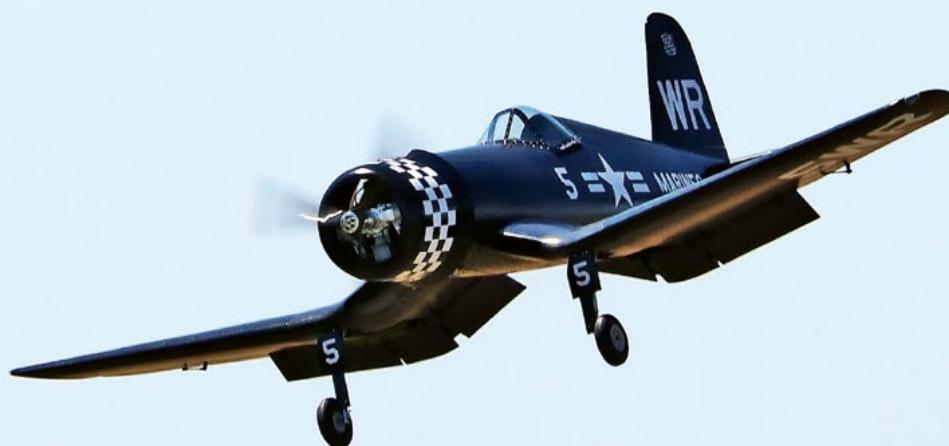
CORSAIR F4U – A WARBIRD WITH A MEMORABLE LOOK
Jürgen Rosenberger, Jürgen Prinz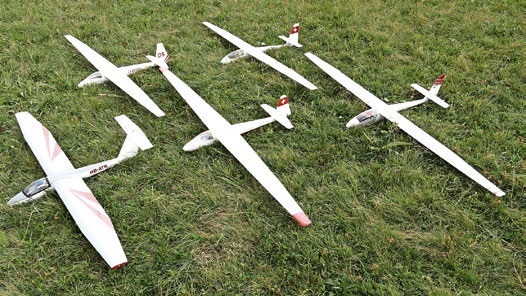
SMALL, MODEL-LIKE SAILBOATS
Res Dauwalder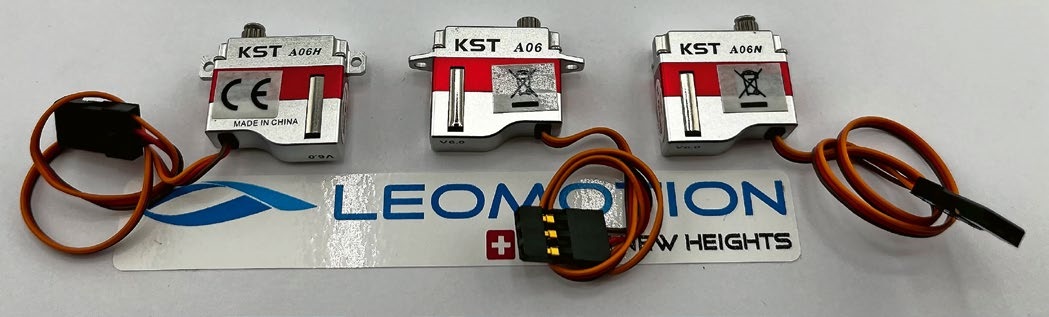
What's New at Leomotion.com
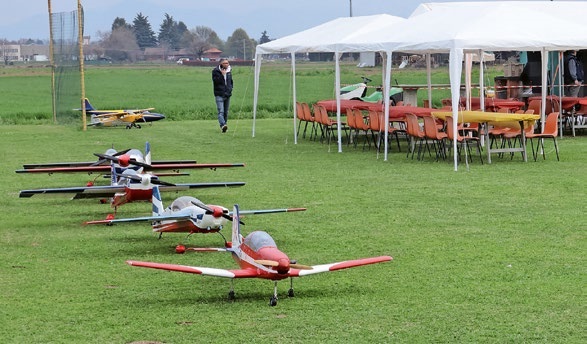
TWIN TOWN PARTNERSHIP
Wolfgang Voeller
EURO CONTEST GLIDER ACRO TOUR AUSTRIA 2026
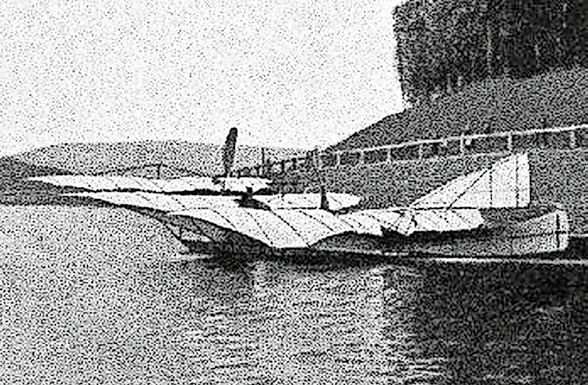
INSIGHTS INTO THE HISTORY OF SEAPLANES
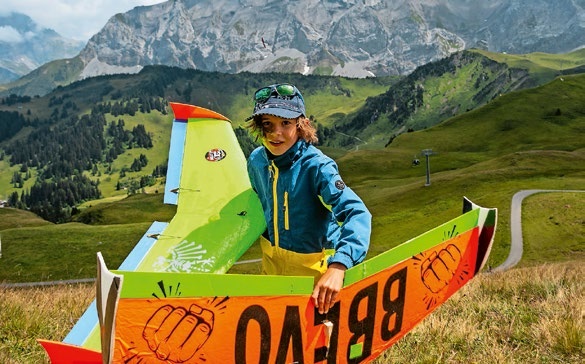
34th HAHNENMOOS ALPINE MODEL AIRPLANE CAMP
Res Dauwalder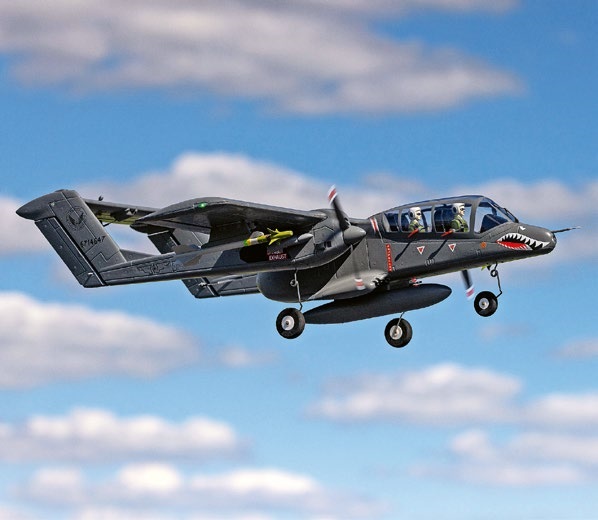
HORIZON HOBBY/LEMACO NEWS: MICRO OV-10 BRONCO 645 MM BY E-FLITE
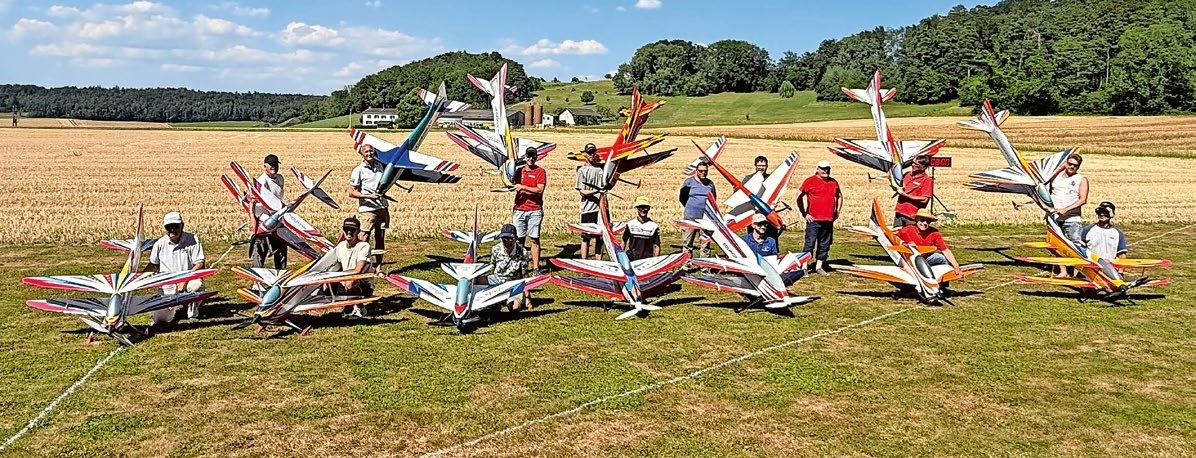
COUPE DES ALPES – OBSERVE AND LEARN
Rodito Nussbaumer
PRIDE AND GOOD IDEAS
 Markus Nussbaumer
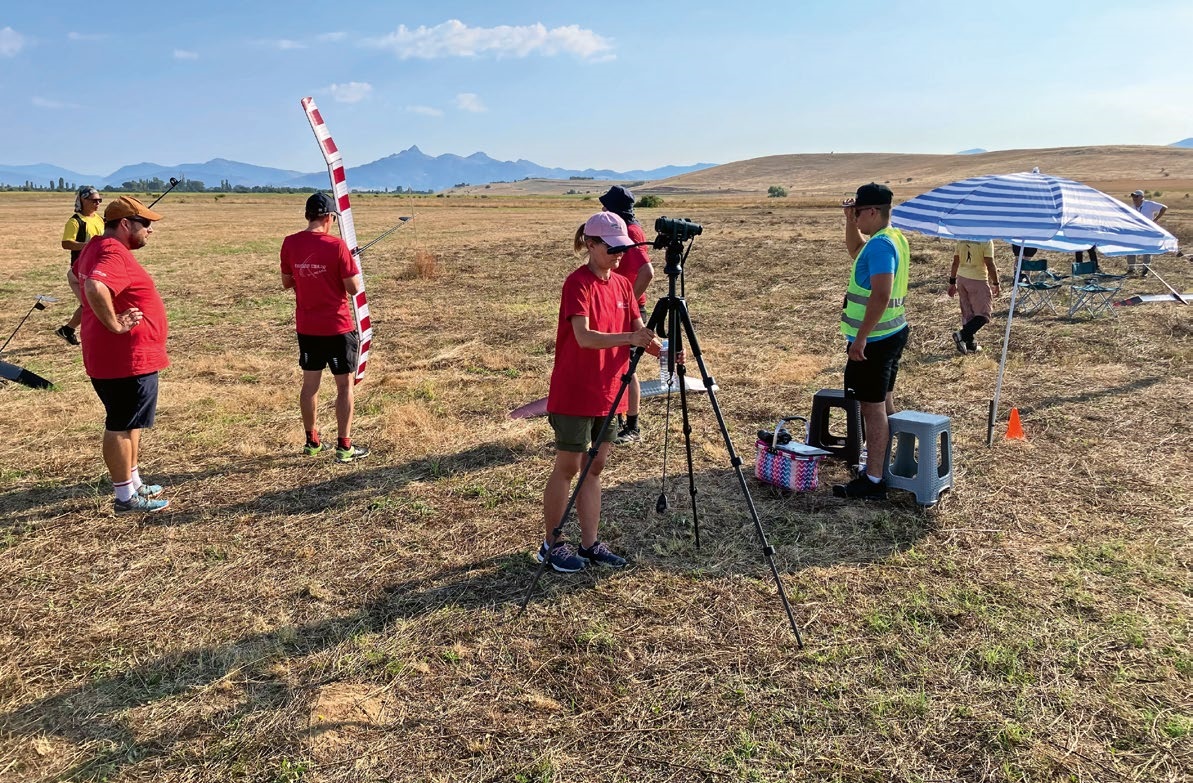
FREE FLIGHT IN THE MIDDLE OF SUMMER
Urs Muntwyler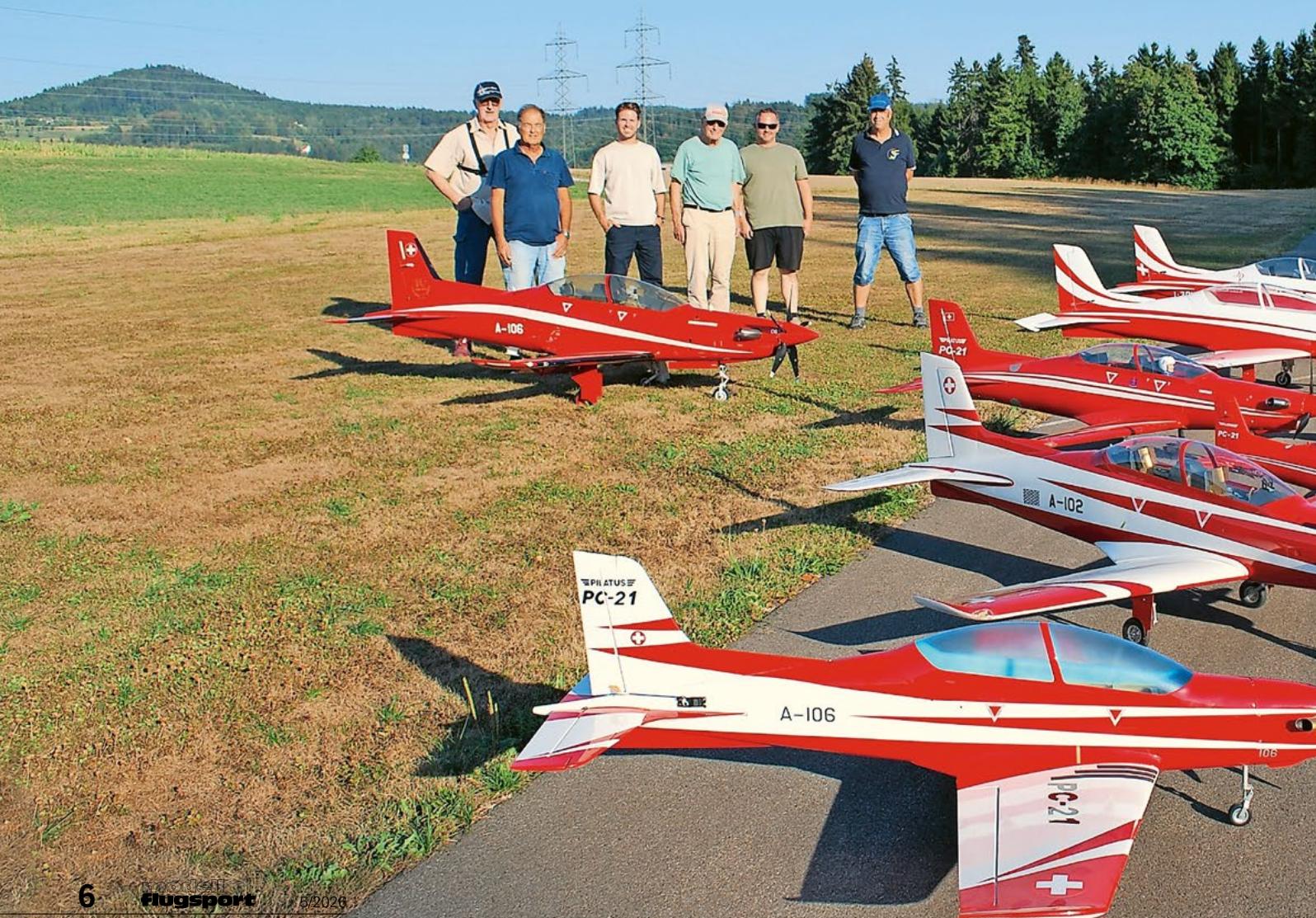
THE PC-21 STORY
Emil Giezendanner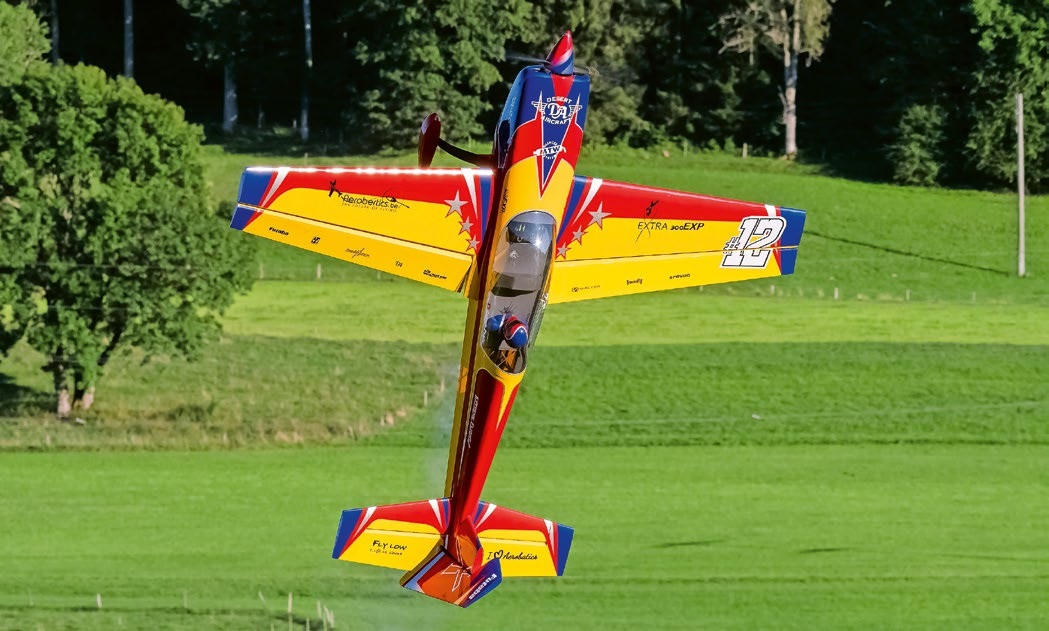
WELCOME, NEW MEMBER!
Andrea Bolliger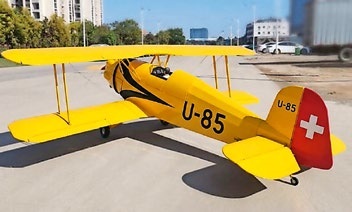
NEWS FROM HEBU
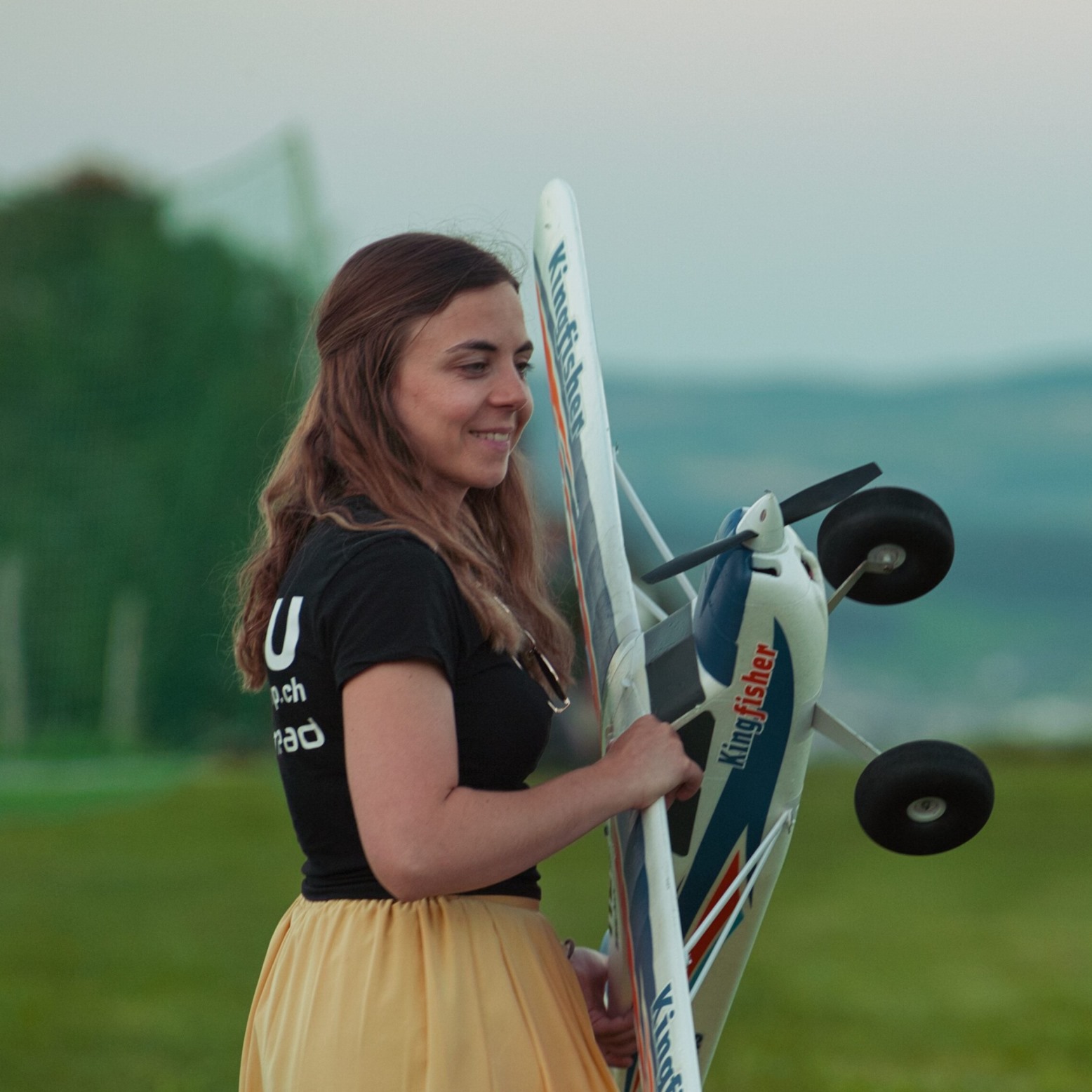 Julia Bucher
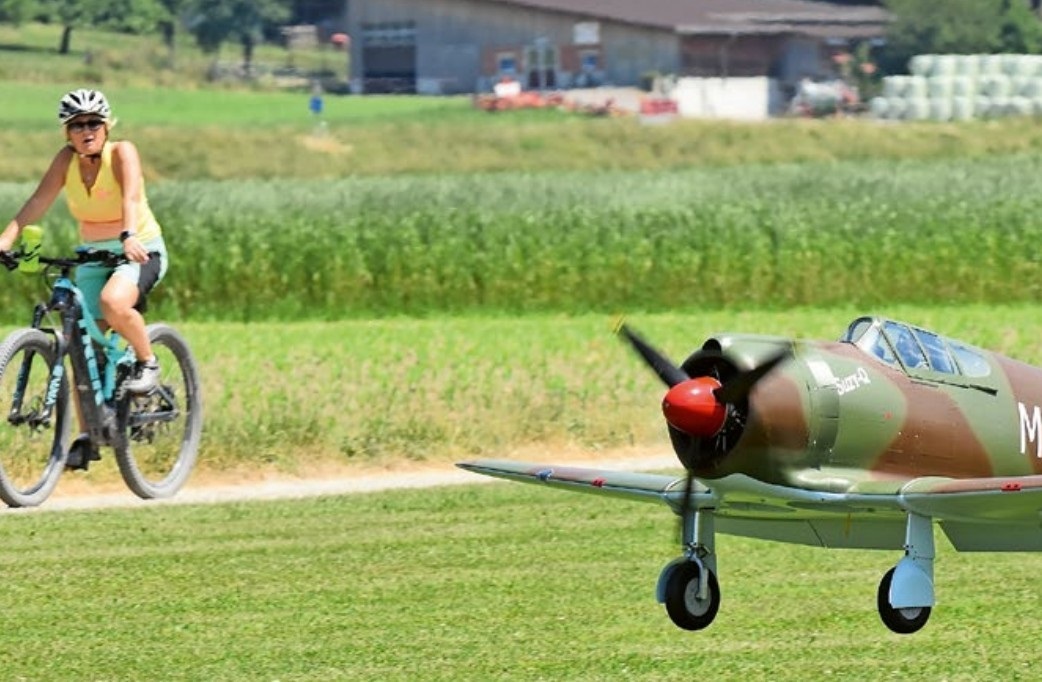
FROM 0 TO 100
Markus Nussbaumer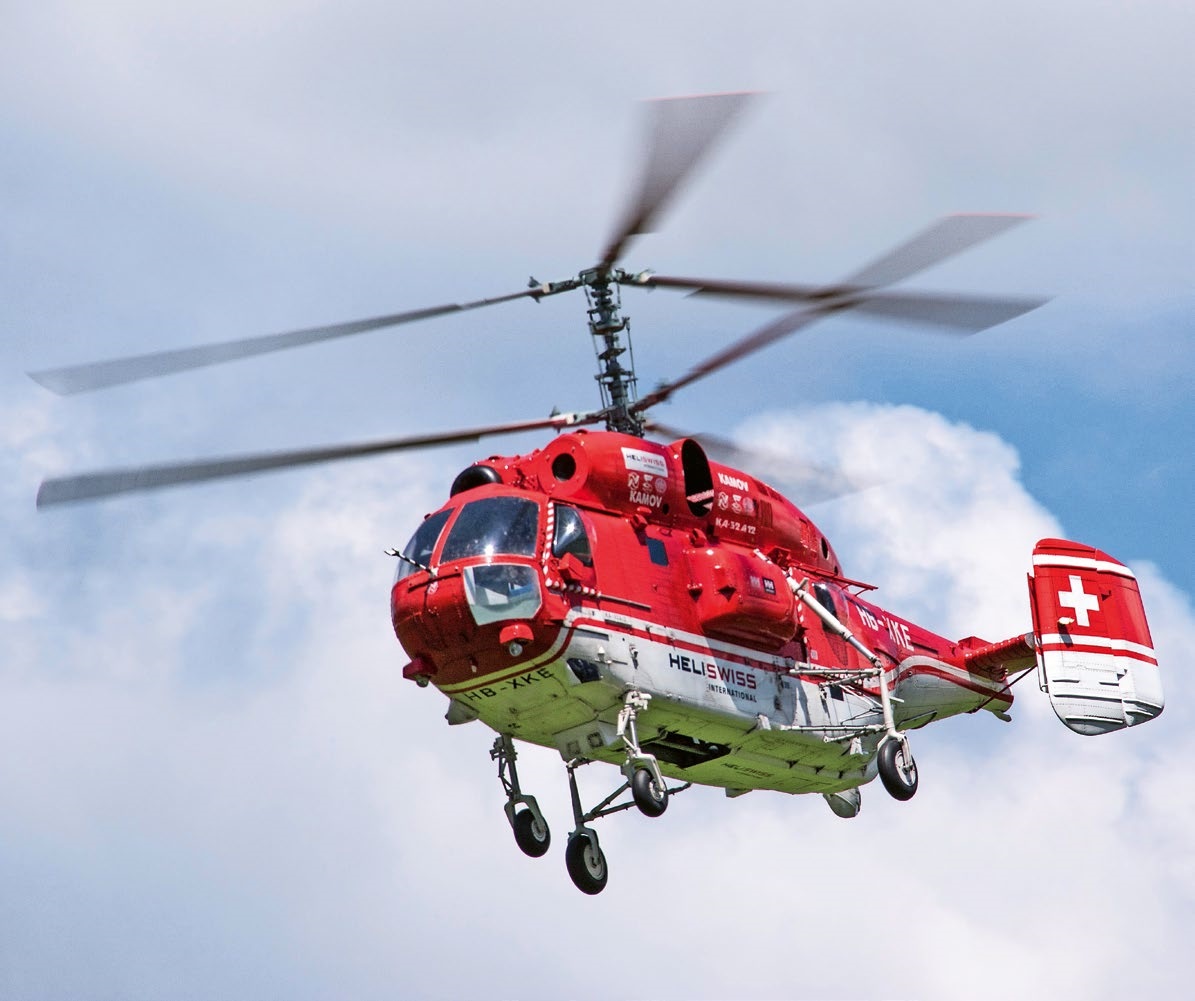
MEMORIES
Wolfgang Völler
NOS REGION – A HUB FOR ELECTRIC AVIATION
Emil Giezendanner
Have you almost forgotten about aircraft that take off and land vertically?
Emil Giezendanner
70 YEARS OF THE NIDWALDEN MODEL AIRPLANE CLUB
Martin Barmettler