
SebArt Sukhoi 29-140 – a lightweight in the 2-meter class
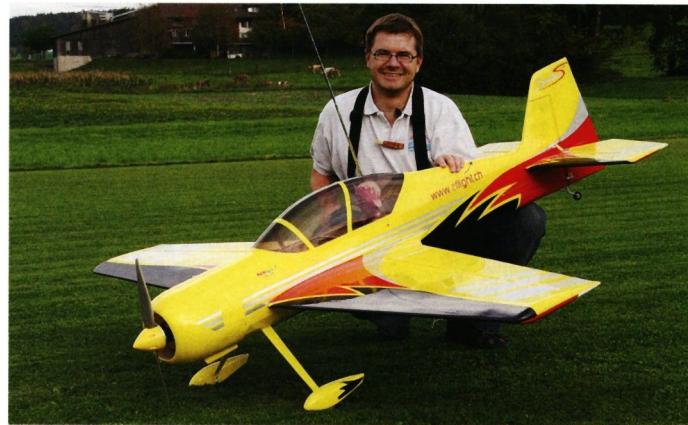
SebArt is known for its precise, cleanly manufactured, and lightweight model kits. With his latest release, the Sukhoi 29-140 with a 194 cm wingspan, he has really hit the mark. Thanks to clever propeller design and well-thought-out modifications, a takeoff weight of less than 4.5 kg is achievable while maintaining full 3D capability.
The basic parameters are defined by my existing concept of 4S power systems and their multiples: I’m looking for the largest possible aerobatic model that can be powered sufficiently for 3D flight with an 8S power system and 2 kW of power. After a long search, SebArt announced in the spring that a Sukhoi 29 with a 194 cm wingspan was in the works. Shortly thereafter, flight footage began appearing in the relevant forums featuring the young pilot Genot Bruckmann, who flawlessly performed 3D aerobatics with this aircraft using only a 6s powerplant—is that even possible?
Completely fascinated by this footage, I begin searching German and American forums for more known details about this SU-29—and soon find what I’m looking for. A clear list of all the kit’s individual parts, complete with weight specifications, raises my hopes: The kit’s weight is listed at 2,680 g. The fuselage is made of wood, and the wings feature a delicate wood-rib construction. The fuselage and wings are already covered with an attractive design.
Calculating various propulsion options using eflight’s eMotor Calculatorbegins, and it quickly becomes clear that a takeoff weight of 4.6 kg and a static thrust of around 9 kg are within the realm of possibility, resulting in a thrust-to-weight ratio of about 2:1—sufficient for 3D aerobatics. The propulsion concept and components are once again reviewed and optimized. Aside from the motor, I am now clear on the necessary main components:
ESC: Jeti Spin 99
Battery: 2x ePower 4200CL (4s2p, already on hand)
Servos: Futaba 2x S9432 (Q), 2x S9155 (H, S)
In the meantime, my SebArt SU29-140 has arrived at eflight.ch and is ready for pickup. I’ll pick up the kit in early June. I’m really amazed by the size of the box. The kit is, as usual, of high quality and features clean workmanship. The build is progressing quickly. When attaching the landing gear, I came across the only flaw. The holes for the aluminum brackets inside the fuselage, which are used to mount the landing gear, were left undrilled. These will be drilled later and tapped with M4 threads so that the landing gear can be attached directly using M4 nylon screws (predetermined breaking point).
My experience building the smaller model has brought back some familiar doubts. Last year, I also equipped the smaller SU29-50 with a lightweight 4S setup and was only able to achieve the recommended center of gravity by using all sorts of tricks and workarounds. So I’ll have to come up with a solution right from the start. The two elevator servos intended for the tail would only shift the center of gravity unnecessarily toward the rear. Inspired by a
A viable solution is emerging from a forum post about the Katana 120:
- The elevator linkage must originate from the center of the fuselage.
- Linkage using Bowden cables.
Unfortunately, I can’t find any suitable double fiberglass rudder horns at specialty stores. Fortunately, my best model-building friend is milling copies of the double rudder horns included in the kit for me.
To ensure that neither of the two cables sags at full deflection, the double rudder horn must be glued in exactly symmetrically so that the cable attachment and pivot point are aligned. To achieve this, I use a small wire bracket. A small board is cut to size and embedded in resin to serve as the servo mount in the fuselage. After
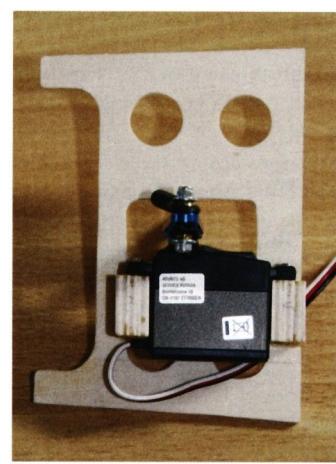
After performing a detailed calculation of the points where the cables penetrate the fuselage, I have determined that there is no wood beneath the fabric at those locations—only holes drilled to reduce weight. The penetration points are relocated to a section planked with wood and secured with a
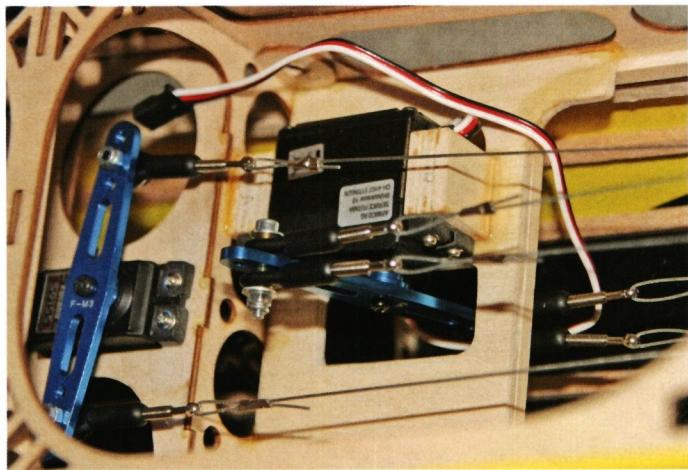
reinforced with small nylon tubes. The rudder and servo are connected with 0.8 mm wire rope (38 mm from the pivot point).
Construction is continuing according to the instructions, and the question of the motor remains unresolved. We need a motor that is as light as possible and can handle a peak power output of 2 kW for a short time. Various manufacturers offer such motors, but most are ruled out from the start because they exceed the 400-g limit. Only Scorpion and NeuMotors remain on the shortlist. Based purely on calculations, the following options are feasible:
NeuMotors 1509-2.5Y, 6.7:1 gear ratio, APC E 21×13 (285 g)
Scorpion S4025-16, APC E 18×10" (345 g)
NeuMotors 1512-3.5D, gear ratio 6.7:1, APC E 21×13 (350 g)
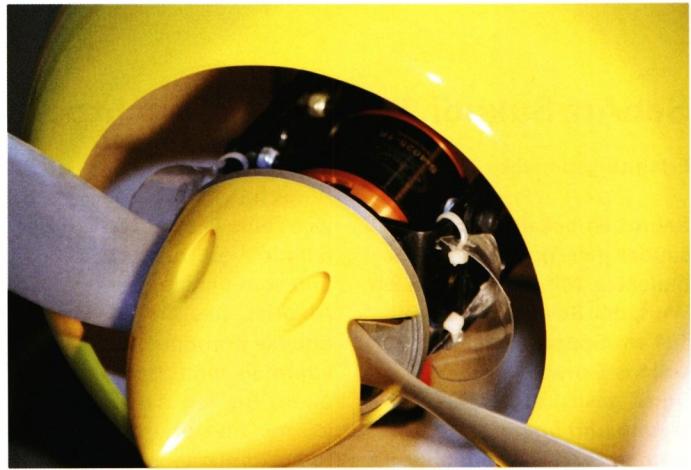
The NeuMotors impress with their high efficiency, while the Scorpion stands out for its low price. Both manufacturers promise a power-to-weight ratio that’s second to none. For now, I’m opting for the more affordable Scorpion S4025-16 and will keep in mind the possibility of an “upgrade” to a NeuMotors during installation. For the motor mount, I’m using Hyperion’s universal Z40 front-mount kit. Since the motor is completely in the “wake” of the spinner, I’m adding additional air intakes made from a PET bottle neck to improve the motor’s cooling.
I'd prefer to do without a receiver battery and use a separate switched BEC instead. It quickly becomes apparent that high-output BECs are often only usable up to 6s, and those designed for higher battery voltages are barely sufficient to supply the four digital servos with enough current. Once again, I'll
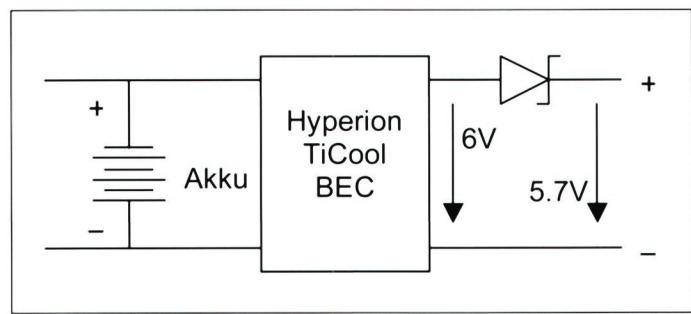
I found inspiration online: In the U.S., Dimension Engineering offers VHVBECs that can be easily connected in parallel to a receiver without any additional electronics. I looked into the possibilities of running two BECs in parallel and learned that they must be isolated using external electronics. I order two Hyperion TiCool BECs (4 A/max. 5 A) and decouple them using one Schottky diode each (8 A/40 V). Whether this proves effective remains to be seen after extensive roll tests.
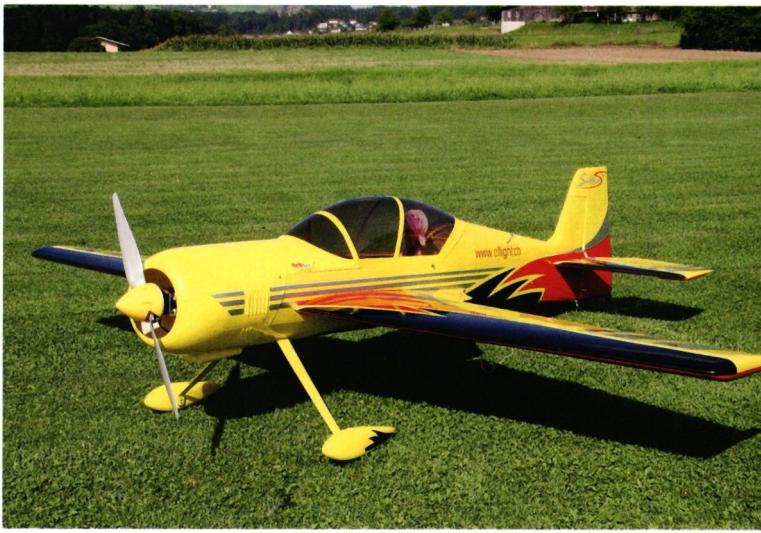
By mid-August, the time has finally come, and the model stands before me, fully completed. The first questions that come to mind are about weight and center of gravity. At 4,480 g, the SU29-140 is actually below my target of 4.6 kg, and the center of gravity is also still within the stable range (185 mm instead of the recommended 175 mm). Equipped with the SU, remote control, and measuring devices, I head to our model airfield. After the obligatory range test, I measure the motor’s maximum current draw at 75 A@27 V (~2 kW)—so everything is within the expected range. After
After extensive roll tests involving frequent use of the other control surfaces, the temperature of the two BECs is now checked (34 °C = ambient temperature + 9 °C).
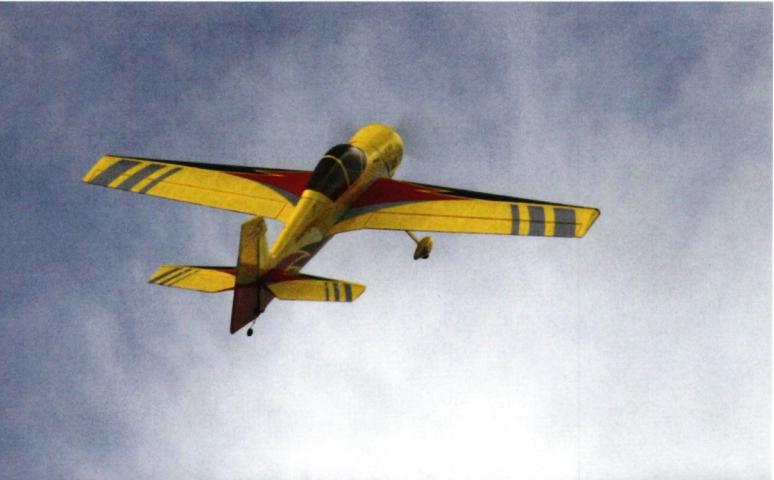
Nothing now stands in the way of a first circuit. The SU29 is lined up, and the throttle is slowly pushed all the way forward. After 20 m, it is already “airborne” and picking up speed. Then I pull it straight up, where it continues to climb briskly. During a horizontal circuit, I want to trim the SU, but it isn’t even necessary. I gain altitude again to test the stall behavior, which, however, is unspectacular. The SU stalls in slow flight with the elevator fully back. It shows no tendency to bank over one wing and remains highly controllable. After a simulated turn and 3 minutes of flight, I begin my approach for landing. Once again, I measure the temperatures of the motor (50 °C), ESC (45 °C), and BEC (36 °C) and use the Spinbox to read the ESC’s stored data: max. current 62 A@28 V, 8,080 rpm. However, according to the more accurate EagleTree Data Recorder, the peak current in flight was actually 70 A. Since the model was exposed to the sun for the first time, the black film on the wings and tail must be re-ironed.
The SU29-140 flies absolutely brilliantly. In the air, it strikes me as majestic and composed, which is likely due to my
experience with smaller, more lively aerobatic models. During dynamic aerobatics, the SU29 powers through all maneuvers with strength and sustained thrust. It responds to controls with precision. In inverted flight, a slight increase in throttle is required. The center of gravity could even be moved further back. In knife-edge flight, a slight altitude correction is needed, or 5–8% throttle should be added. After 6 minutes of flight, the motor housing heats up to 60 °C. It is recharged to 2980 mAh. In 3D flight, it becomes clear that the Scorpion is reaching its limits in terms of both flight performance and thermal efficiency. Maneuvers such as the torque roll and Harrier are possible—the power reserve is sufficient, but not spectacular. After the flight, I measure a borderline 75 °C on the motor housing.
The SebArt Sukhoi SU29-140 is a delicate, elegantly designed (nearly) 2-meter ARF model of high quality and excellent fit. Thanks to minor modifications (relocating the elevator servo) and a well-thought-out power system, it achieves a takeoff weight of less than 4.5 kg, which is quite remarkable for a model of this size. The time required for construction is approximately 15 to 20 hours (conventional assembly) and 25 to 30 hours if the elevator servo is repositioned. Despite its supposedly inferior 8s powerplant, the SU29 is fully capable thanks to its lower weight (approx. 800 g compared to a 10s powerplant)
It is 3D-capable and has sufficient power reserves to accelerate vertically from stationary positions. When the Scorpion motor is used for dynamic aerobatics, it reaches an operating temperature of around 60 °C; during predominantly “3D maneuvers,”
it reaches its thermal load limit. So if you fly primarily 3D, you’re better off opting from the start for the equally heavy Neu-Motors 1512 with a gearbox (better efficiency, lower thermal load).
| Wingspan: | 1,940 mm |
| Length: | 1920 mm |
| Weight: | 4,480 g |
| Construction time: | 15–30 h |
| Engine: | Scorpion S4025-16 |
| Propeller: | APC E 18×10” |
| ESC: | Jeti Spin 99 |
| Battery: | ePower 2100CL (8s2p, 4.2 Ah, 760 g) |
| Servos: | Futaba 2x S9432 (Q), 2x S9155 (H, S) |
| Power supply: | 2x Hyperion TiCool BEC (decoupled!) |
| Receiver: | Berg SEXTA |
| Max. Power: | 75A @ 27V (2 kW) |
| Static thrust: | ~ 8.5 kg |
| Center of gravity: | 185 mm from leading edge |
| Flight time: | 6–8 min. |
Source: eflight GmbH, www.eflight.ch

What's New at Leomotion.com

PRIDE AND GOOD IDEAS
 Markus Nussbaumer

News from HEBU
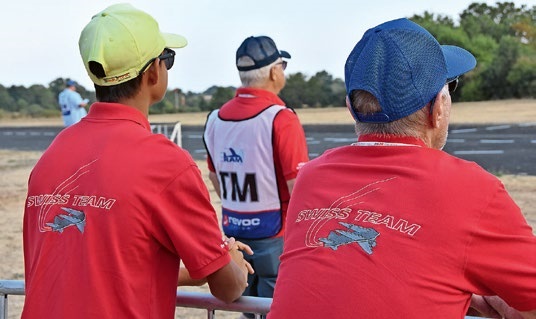
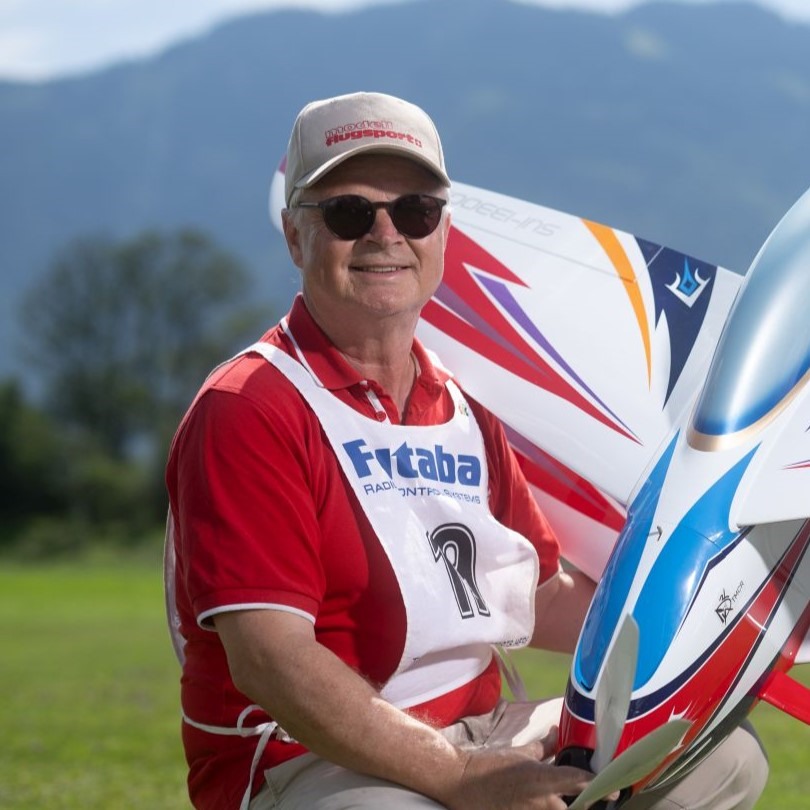
TEAM MANAGER "THIS" BOSSHARD
 Rodito Nussbaumer
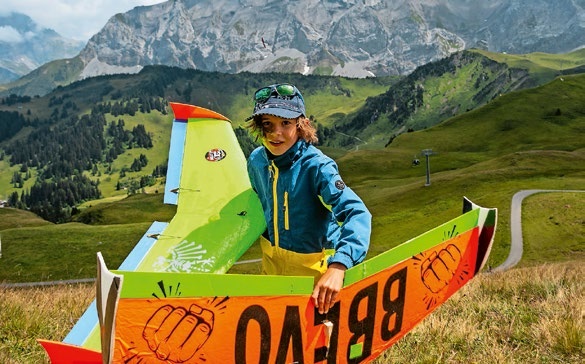
34th HAHNENMOOS ALPINE MODEL AIRPLANE CAMP
Res Dauwalder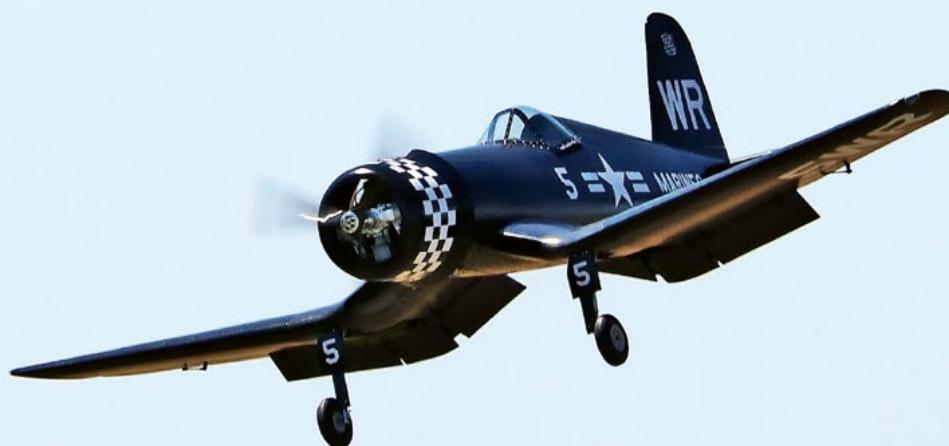
CORSAIR F4U – A WARBIRD WITH A MEMORABLE LOOK
Jürgen Rosenberger, Jürgen Prinz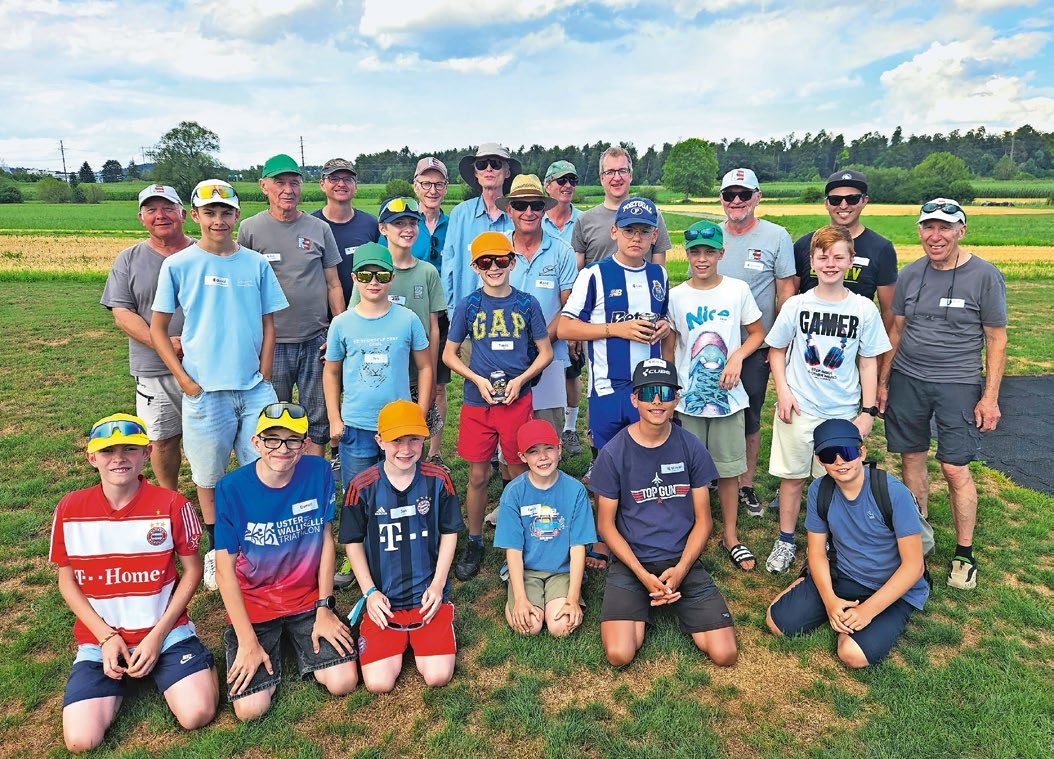
SUMMER FUN 2026 AT MG USTER
Martin Wunderli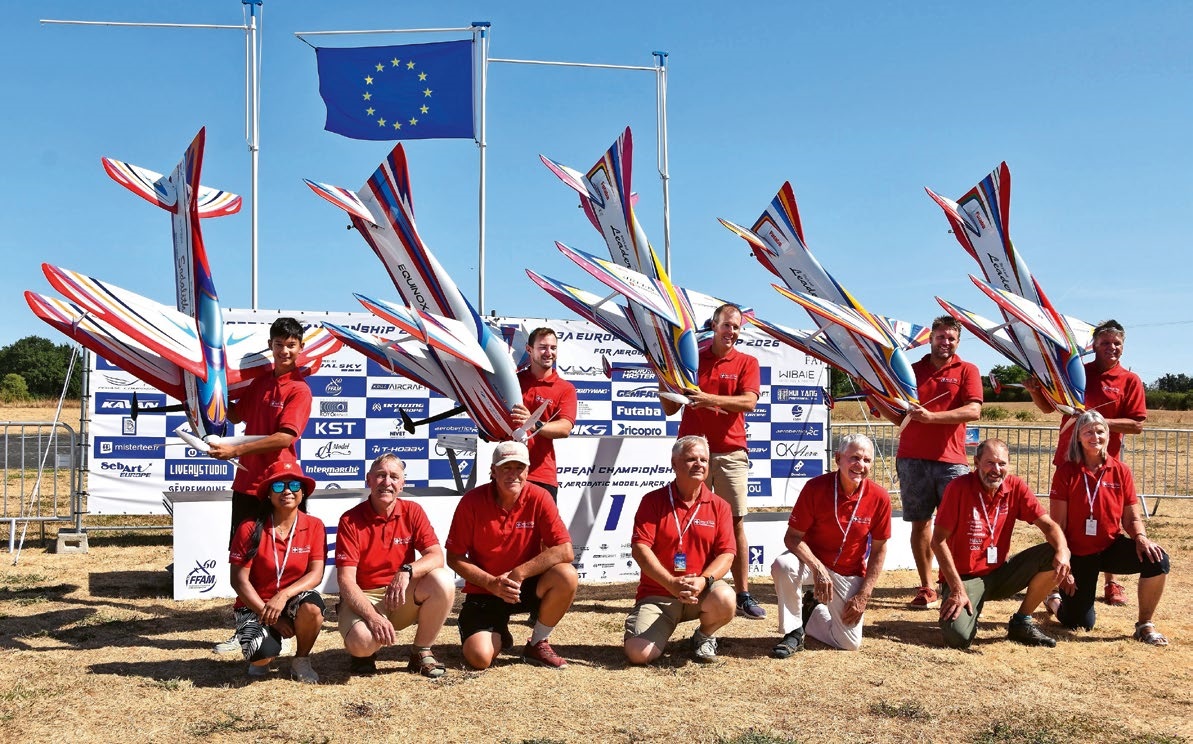
F3A EUROPEAN CHAMPIONSHIPS IN ST-MACAIRE, FRANCE
 Matthias Bosshard
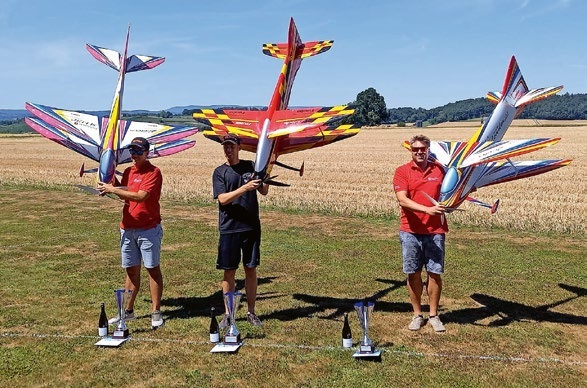
52. 2026 ALPS CUP
 Emil Giezendanner
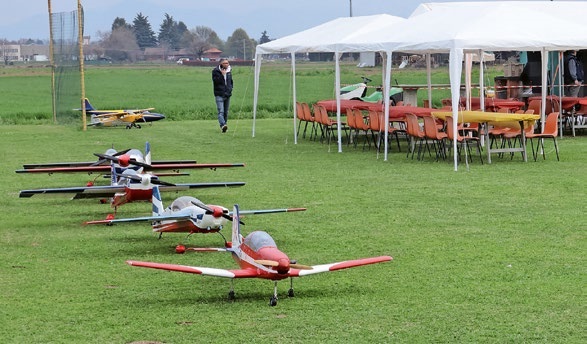
TWIN TOWN PARTNERSHIP
Wolfgang Voeller
EURO CONTEST GLIDER ACRO TOUR AUSTRIA 2026
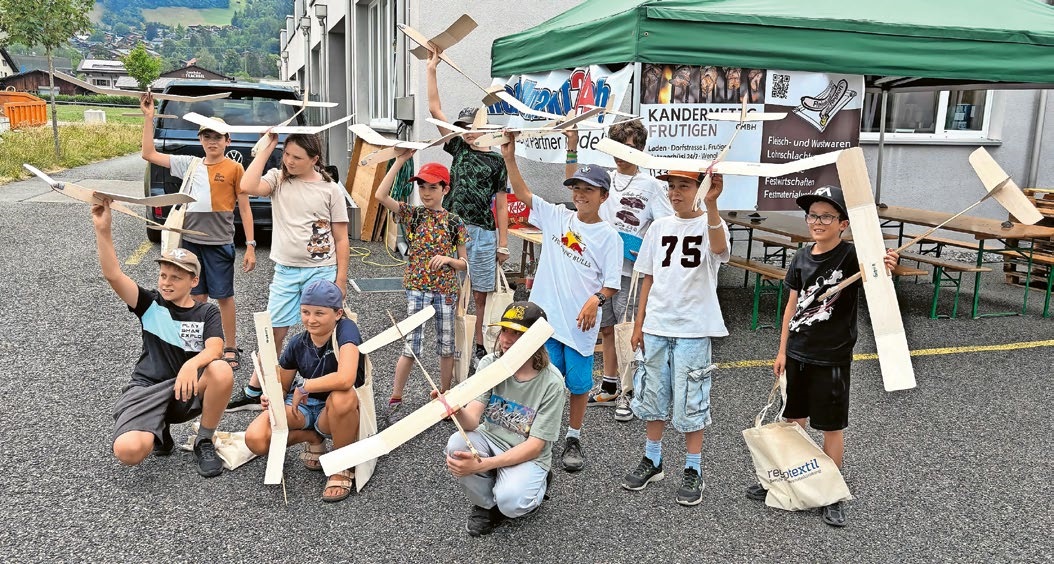
BY YOUTH, FOR YOUTH
Lorena Betschen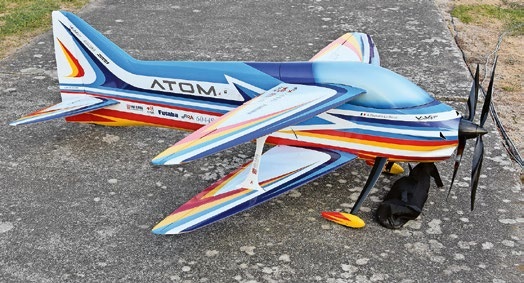
ATOM, THE NEW DOUBLE-DECKER FROM CPLR
Matthias Bosshard
INSIGHTS INTO THE HISTORY OF SEAPLANES
YOU KNOW WHAT I MEAN? 125 YEARS OF THE SWISS AERO CLUB
Emil Giezendanner
SMALL, MODEL-LIKE SAILBOATS
Res Dauwalder
TRY-OUT DAY AT MFV WETTINGEN
Urs Keller
WELCOME, NEW MEMBER!
Andrea Bolliger
HORIZON HOBBY/LEMACO NEWS: MICRO OV-10 BRONCO 645 MM BY E-FLITE
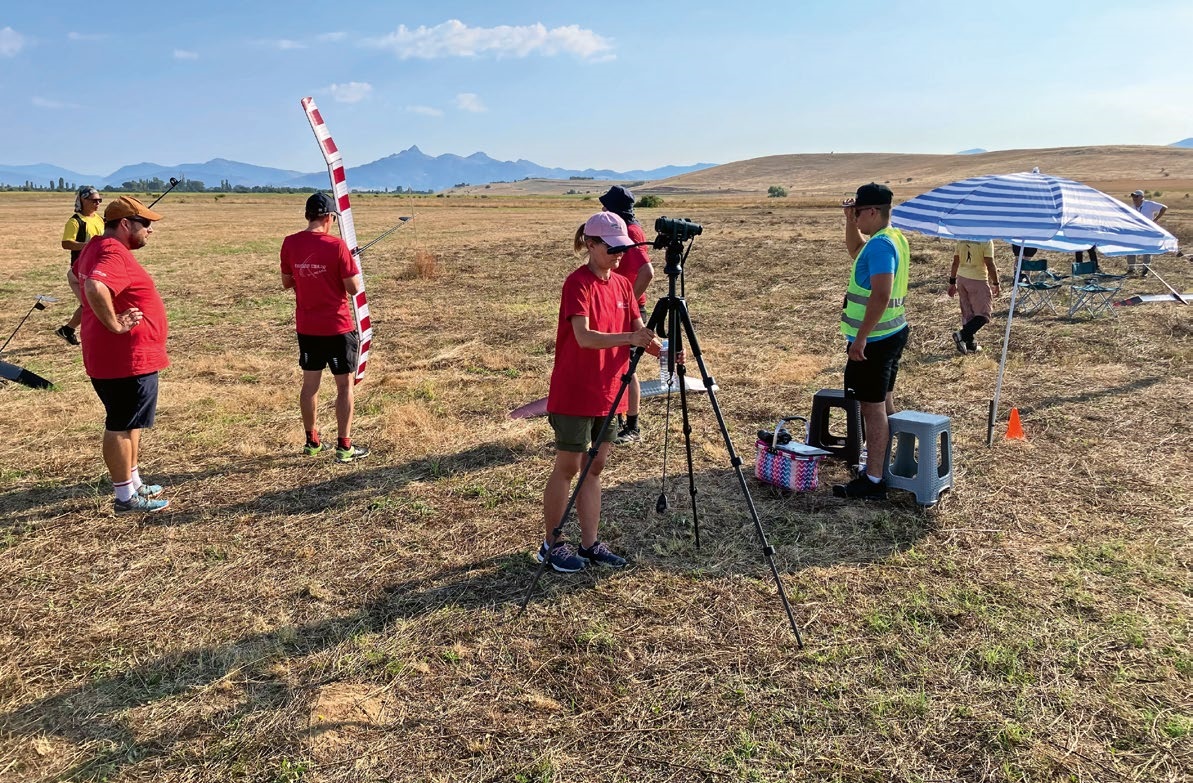
FREE FLIGHT IN THE MIDDLE OF SUMMER
Urs Muntwyler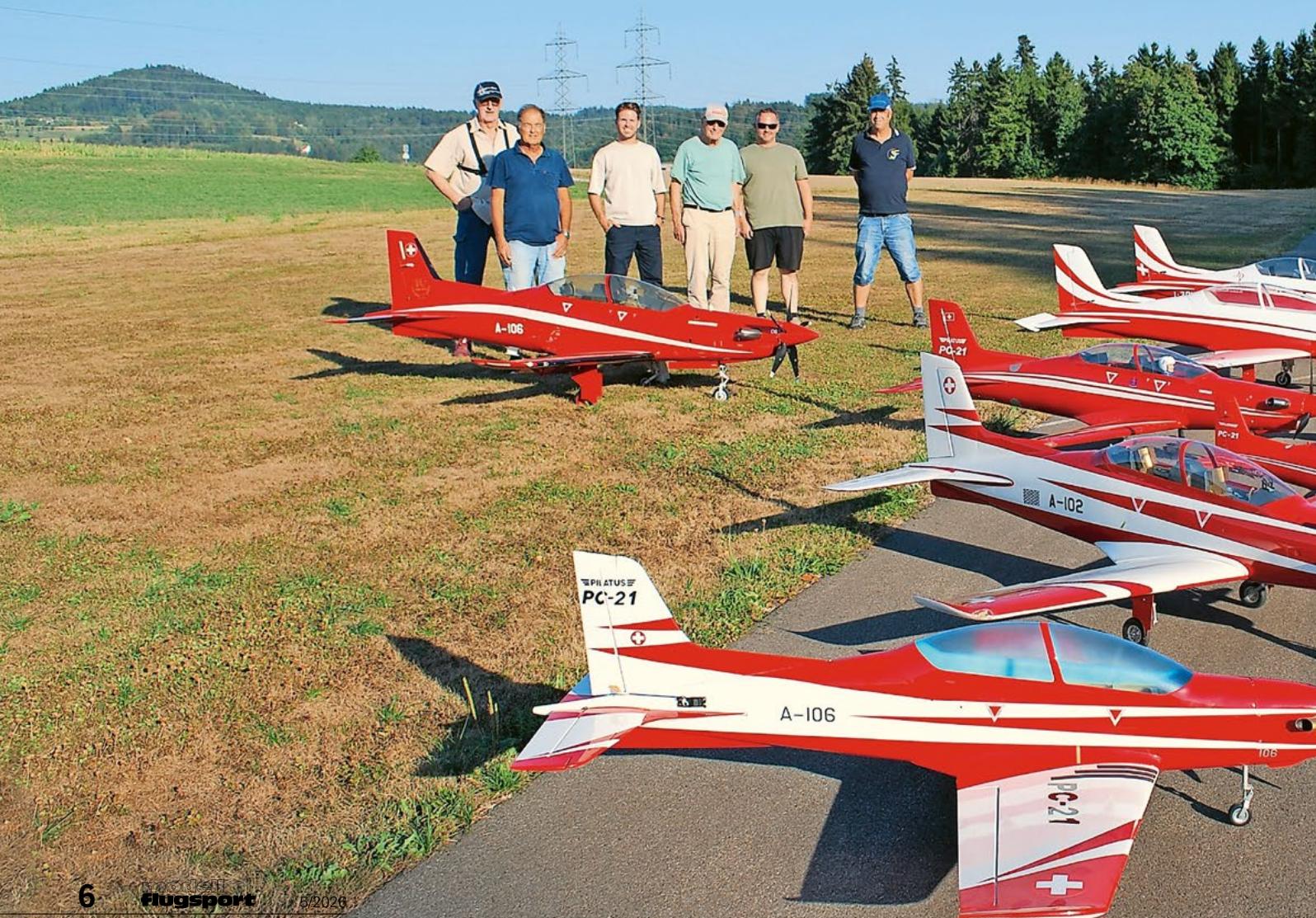
THE PC-21 STORY
Emil Giezendanner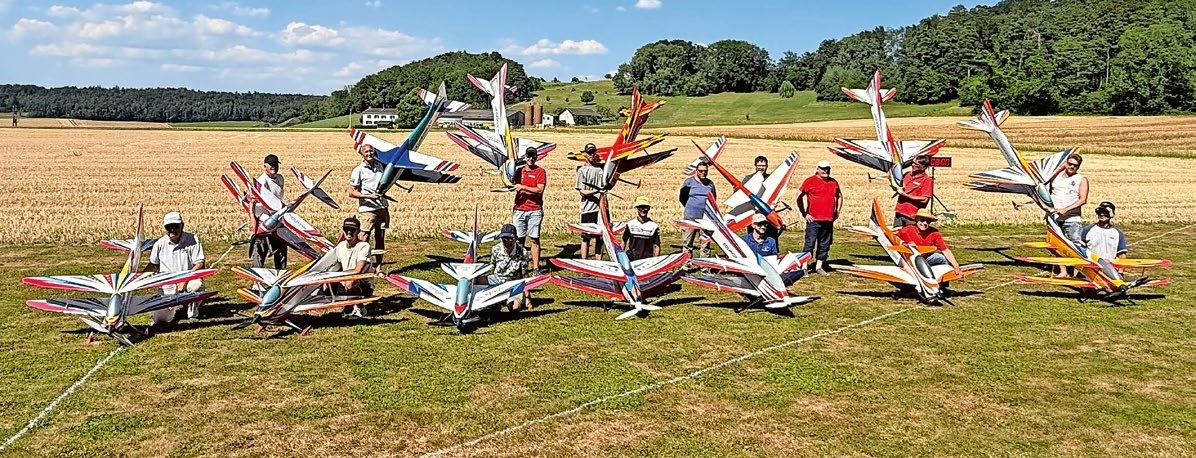
COUPE DES ALPES – OBSERVE AND LEARN
Rodito Nussbaumer
NEWS FROM HEBU
 Julia Bucher
FROM 0 TO 100
Markus Nussbaumer
NOS REGION – A HUB FOR ELECTRIC AVIATION
Emil Giezendanner
MEMORIES
Wolfgang Völler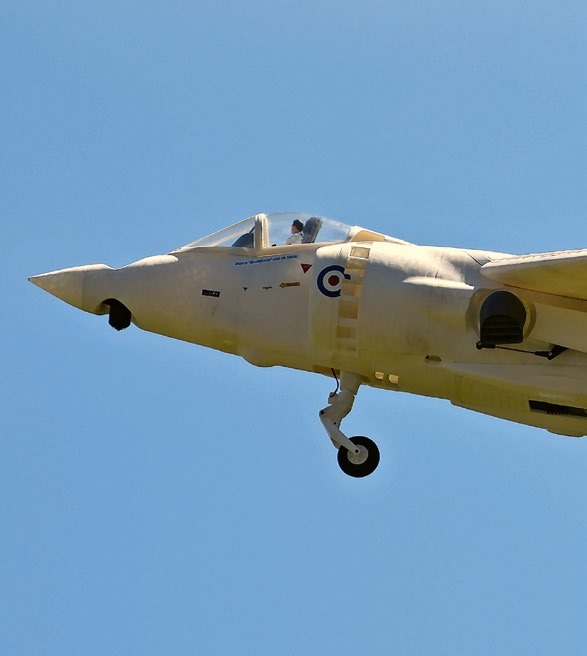
Have you almost forgotten about aircraft that take off and land vertically?
Emil Giezendanner
70 YEARS OF THE NIDWALDEN MODEL AIRPLANE CLUB
Martin Barmettler