
Youth and Model Aircraft Flying
Dear Readers,
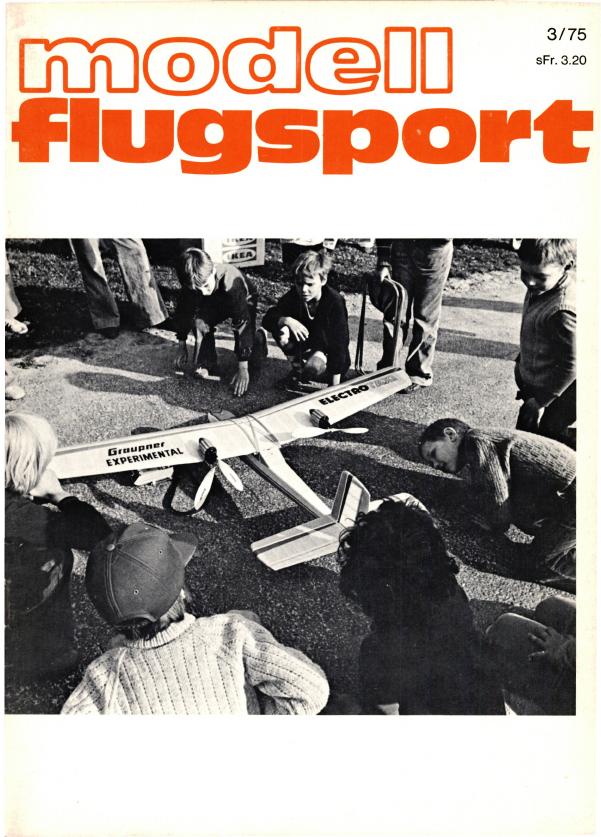
Lately, I’ve noticed that more and more young people are starting to join our model flying clubs. These are elementary school students, apprentices, and middle school students between the ages of 14 and 18. While for many years I was rather pessimistic about the future of young model flyers, and flying radio-controlled models was primarily reserved for the children of the well-to-do or “privileged” sons, today the situation for our model flying community—as far as I can tell—looks much more positive.
So, what might be the reasons behind the increasing youthfulness of many model aircraft clubs? I’ve given this some thought; these reflections are neither intended to be scientifically substantiated nor do they claim to be exhaustive. They are simply a collection of insights based on my own experience that I’d like to share with you here:
Although the quality and technical sophistication of commercially available model-making accessories have undergone tremendous refinement and improvement in recent years, numerous products—such as motors, remote controls, and plastic components—have become significantly more affordable in relative terms. Whereas just three to five years ago, there were practically no reliable remote-control systems available for less than 2,000 francs, today—thanks to modern electronics and industrial manufacturing—it’s no longer a problem to purchase such devices for half that price, even despite inflation. Efficient manufacturing methods, large production runs, and intensive research and development have made model aviation more accessible—even from a financial perspective—to young people and to the strained budgets of family fathers. Certainly, this development—like any so-called “progress,” for that matter—also has its drawbacks; nevertheless, making model aviation accessible to everyone, including young people, strikes me as remarkable and can become a genuine mission for us.
As is well known, modern agriculture is becoming increasingly intensive; in other words, our farmers—if they want to survive—are forced to produce ever-larger quantities from ever-smaller amounts of land. While it used to be rare for model airplane enthusiasts to have trouble flying their models in any open field, this is becoming increasingly difficult for the reasons mentioned above, because practically every square meter needs to be used as efficiently as possible, leaving hardly any space left to walk on. For most model aircraft enthusiasts, however, this means that if they want to pursue their hobby regularly, they face considerable difficulties in finding suitable practice areas. For this reason, joining a model flying club with its own or leased flying field is an obvious choice for many, and in most cases they are willing to accept that they must conform to the group’s rules, are only allowed to fly at certain times, must be considerate of other flying activities, and so on, which may curtail the individual’s personal freedom in various ways. This development, too, has its very specific downsides, but it can become a matter of survival for model aviation.
The current middle generation of model airplane enthusiasts—which likely makes up the largest share in terms of numbers—inherited from their parents, with relatively little resistance, the belief that professional achievement, so-called “getting ahead,” and the pursuit of material goals and success are the highest virtues. The certificate awarded to our father—“For forty years of loyal service at Company Y”—is still deeply ingrained in all of us, while today’s youth, in this regard as well (whether this is “better or worse” is not for us to judge here), adopt a more liberal attitude and unhesitatingly cast such values aside. Perhaps, however, this younger generation is showing us that, alongside outward, material success, inner, deeply personal inclinations also need to be explored and fulfilled. Herein might lie a starting point for placing greater emphasis on people’s leisure time—leisure as at least a temporary release, as a form of balance. Not too long ago, having free time was almost viewed with suspicion, and anyone who spent that time on “meaningless pastimes” was not taken seriously. Today, however, doctors, psychologists, sociologists, and other circles have recognized the importance of leisure activities for modern people. Young people should no longer be drilled one-sidedly for professional success but should be allowed to develop holistically, and that includes leisure time—something that had been left to chance for far too long.
Best regards
Emil Giezendanner
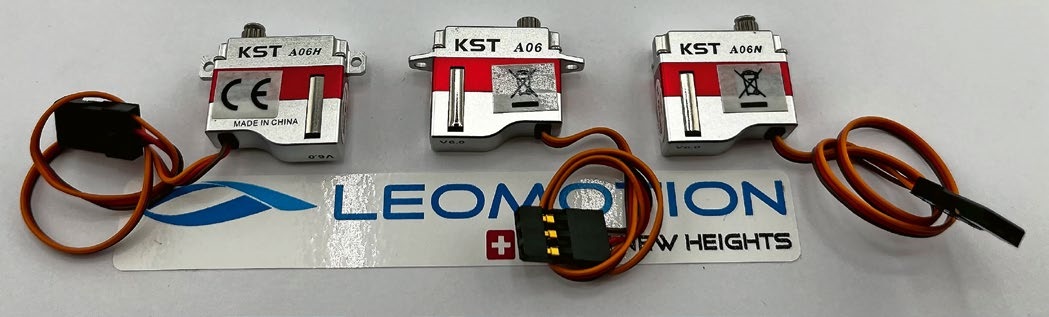
What's New at Leomotion.com

PRIDE AND GOOD IDEAS
 Markus Nussbaumer
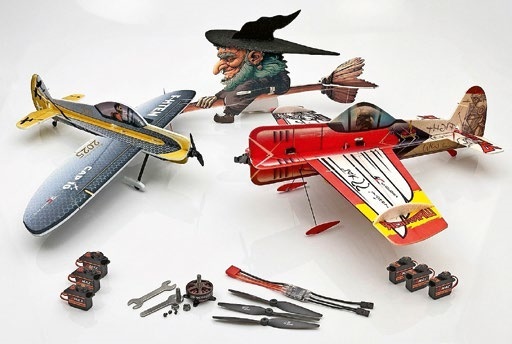
News from HEBU
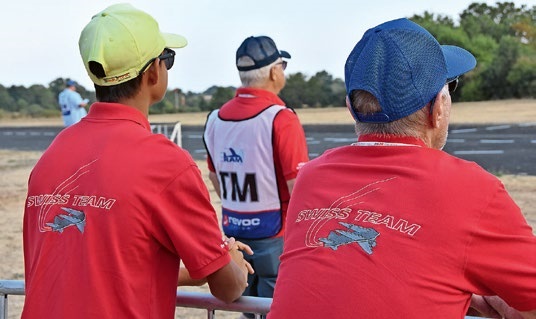
TEAM MANAGER "THIS" BOSSHARD
 Rodito Nussbaumer
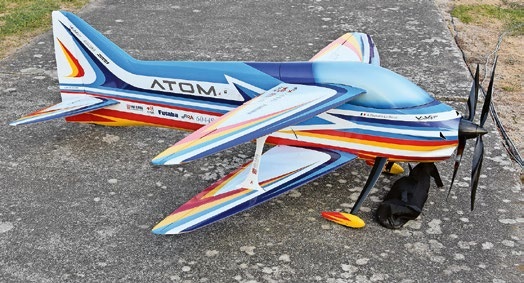
ATOM, THE NEW DOUBLE-DECKER FROM CPLR
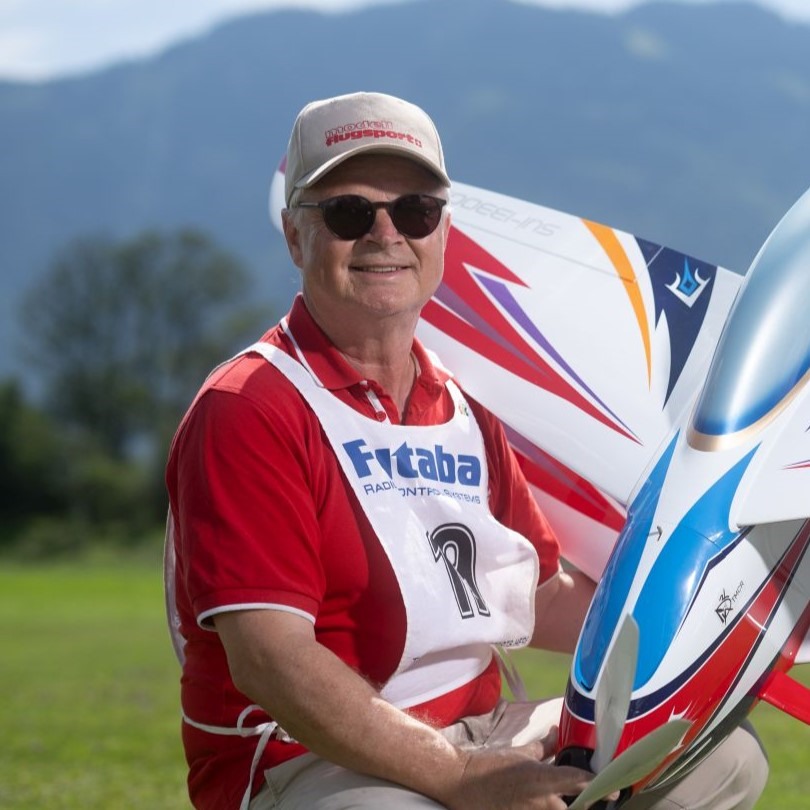 Matthias Bosshard
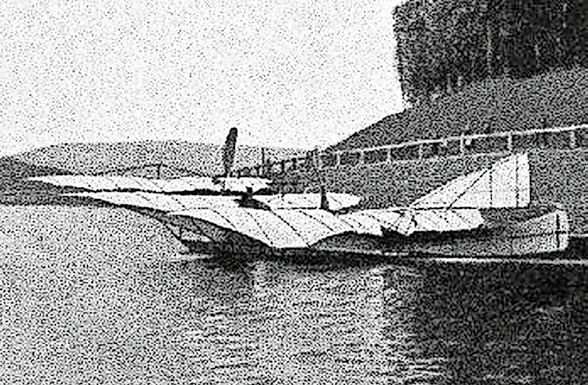
INSIGHTS INTO THE HISTORY OF SEAPLANES
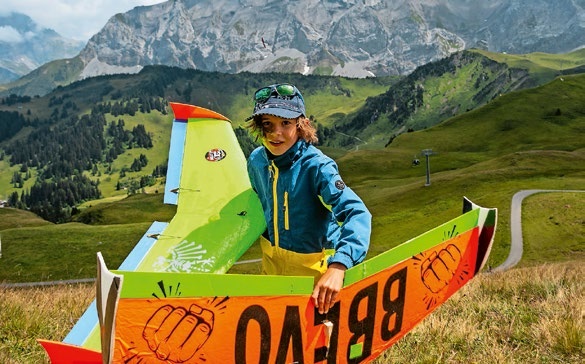
34th HAHNENMOOS ALPINE MODEL AIRPLANE CAMP
Res Dauwalder
CORSAIR F4U – A WARBIRD WITH A MEMORABLE LOOK
Jürgen Rosenberger, Jürgen Prinz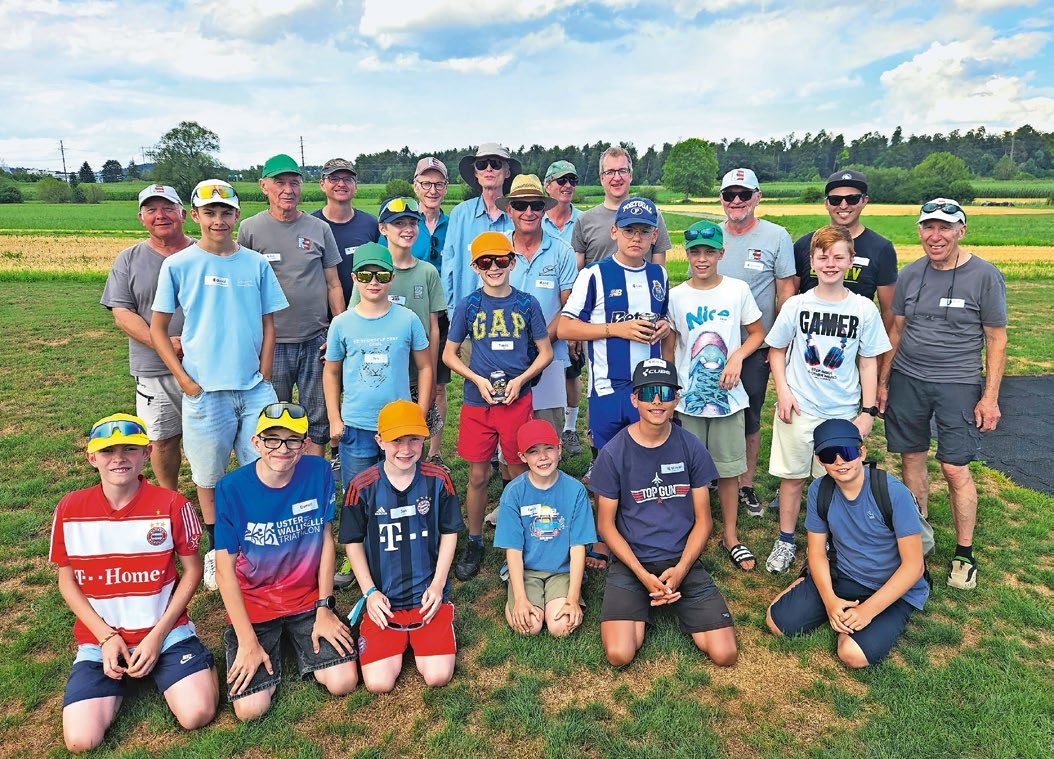
SUMMER FUN 2026 AT MG USTER
Martin Wunderli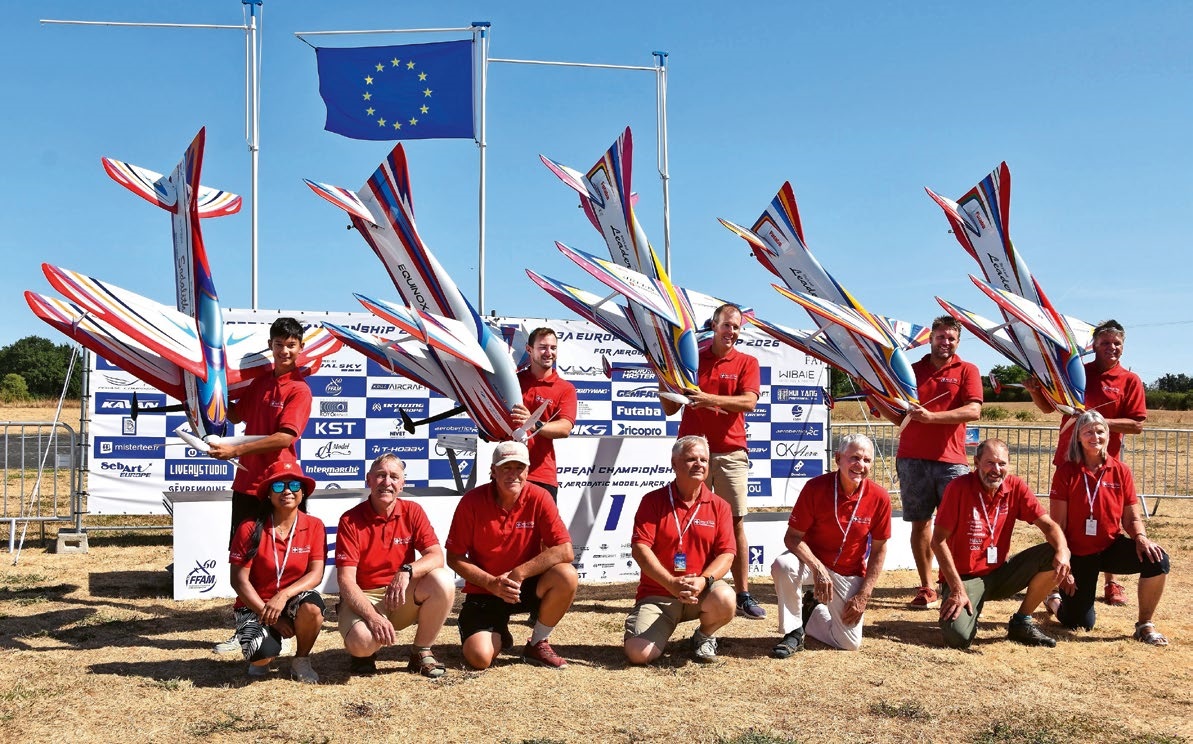
F3A EUROPEAN CHAMPIONSHIPS IN ST-MACAIRE, FRANCE
Matthias Bosshard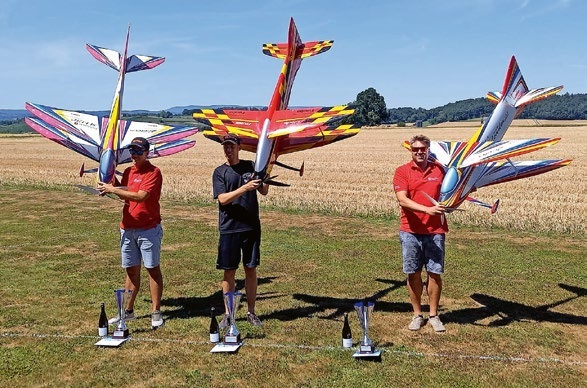
52. 2026 ALPS CUP
 Emil Giezendanner
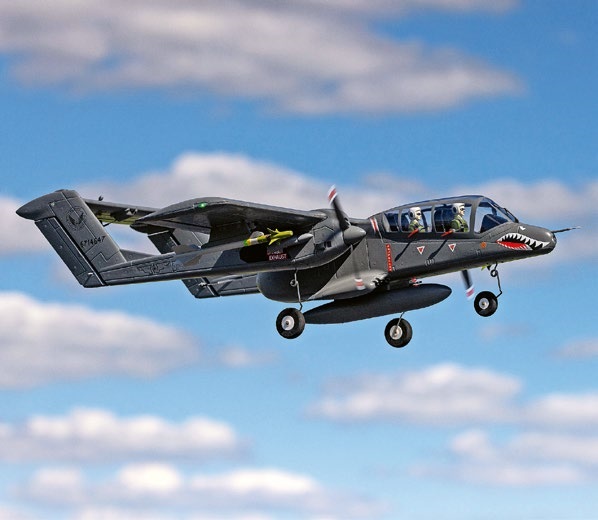
HORIZON HOBBY/LEMACO NEWS: MICRO OV-10 BRONCO 645 MM BY E-FLITE
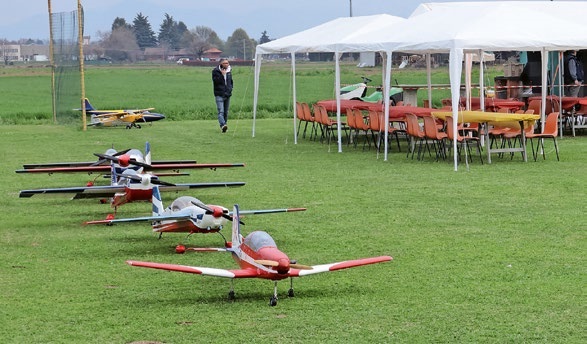
TWIN TOWN PARTNERSHIP
Wolfgang Voeller
EURO CONTEST GLIDER ACRO TOUR AUSTRIA 2026
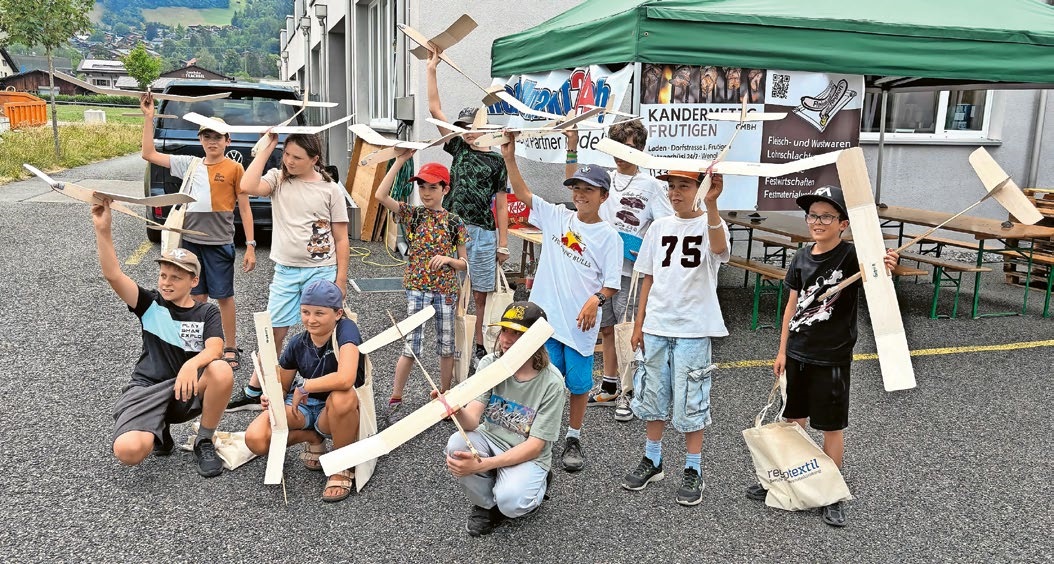
BY YOUTH, FOR YOUTH
Lorena Betschen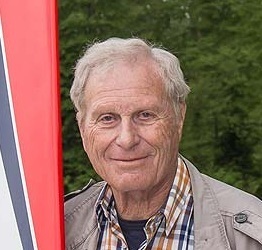
YOU KNOW WHAT I MEAN? 125 YEARS OF THE SWISS AERO CLUB
Emil Giezendanner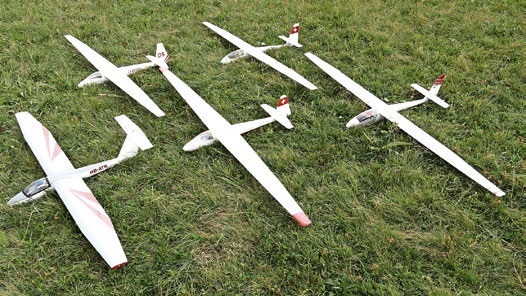
SMALL, MODEL-LIKE SAILBOATS
Res Dauwalder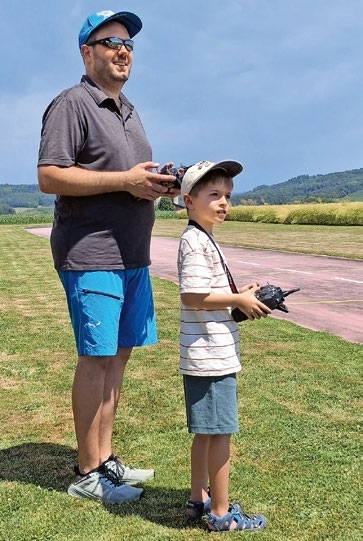
TRY-OUT DAY AT MFV WETTINGEN
Urs Keller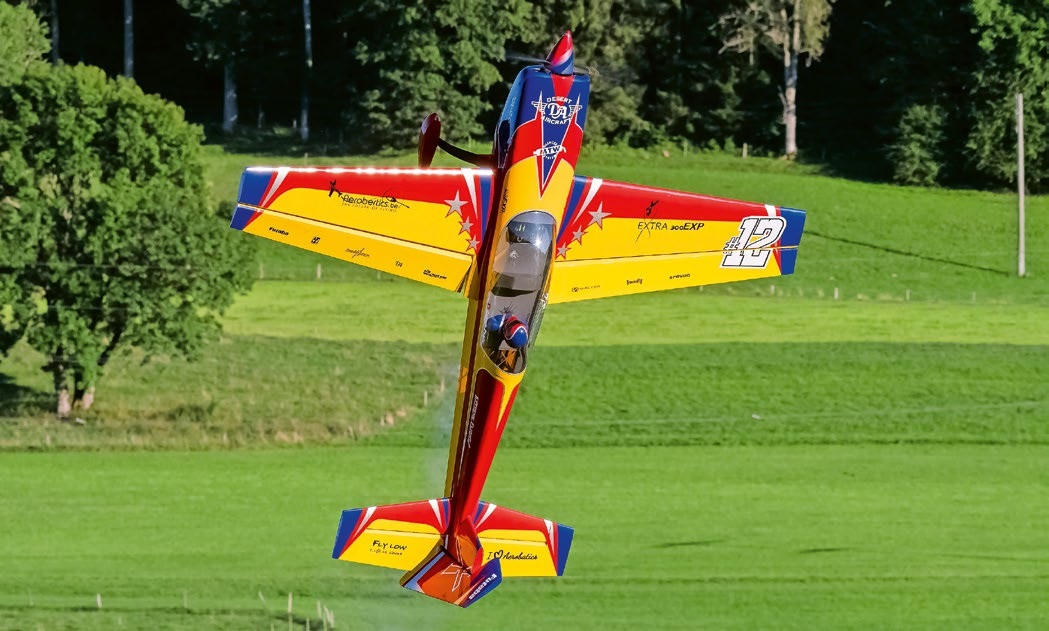
WELCOME, NEW MEMBER!
Andrea Bolliger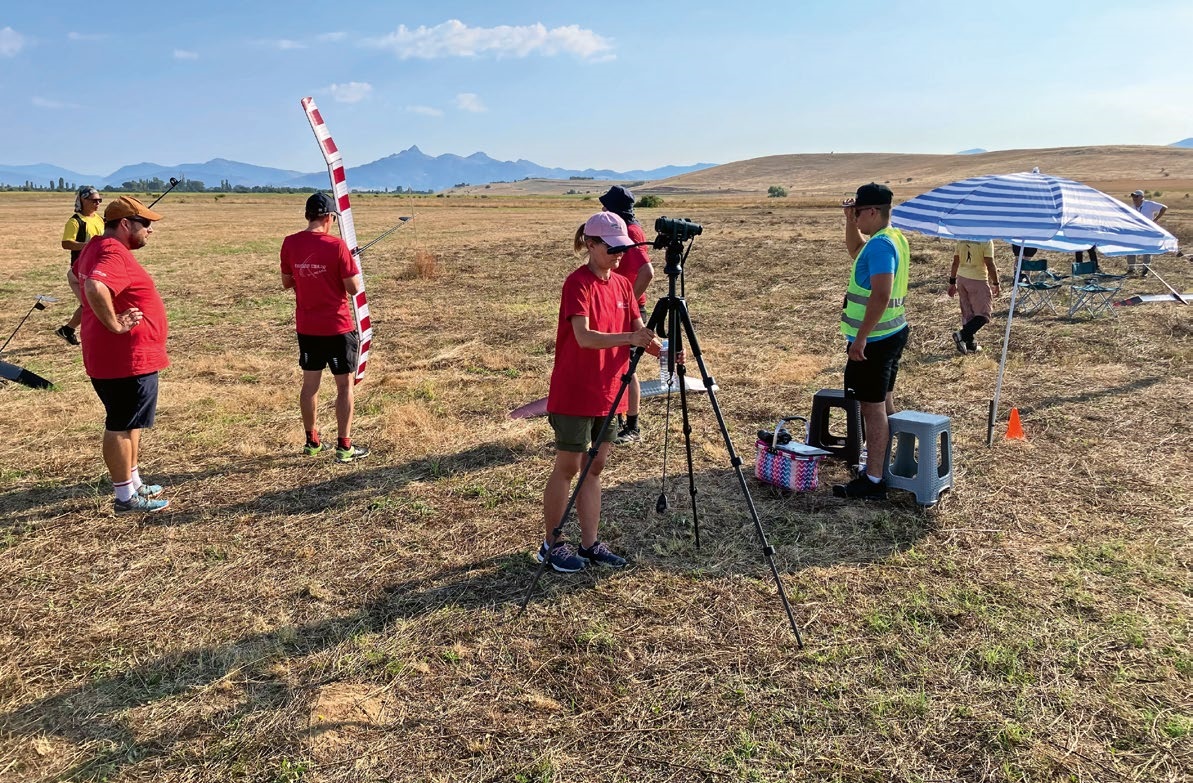
FREE FLIGHT IN THE MIDDLE OF SUMMER
Urs Muntwyler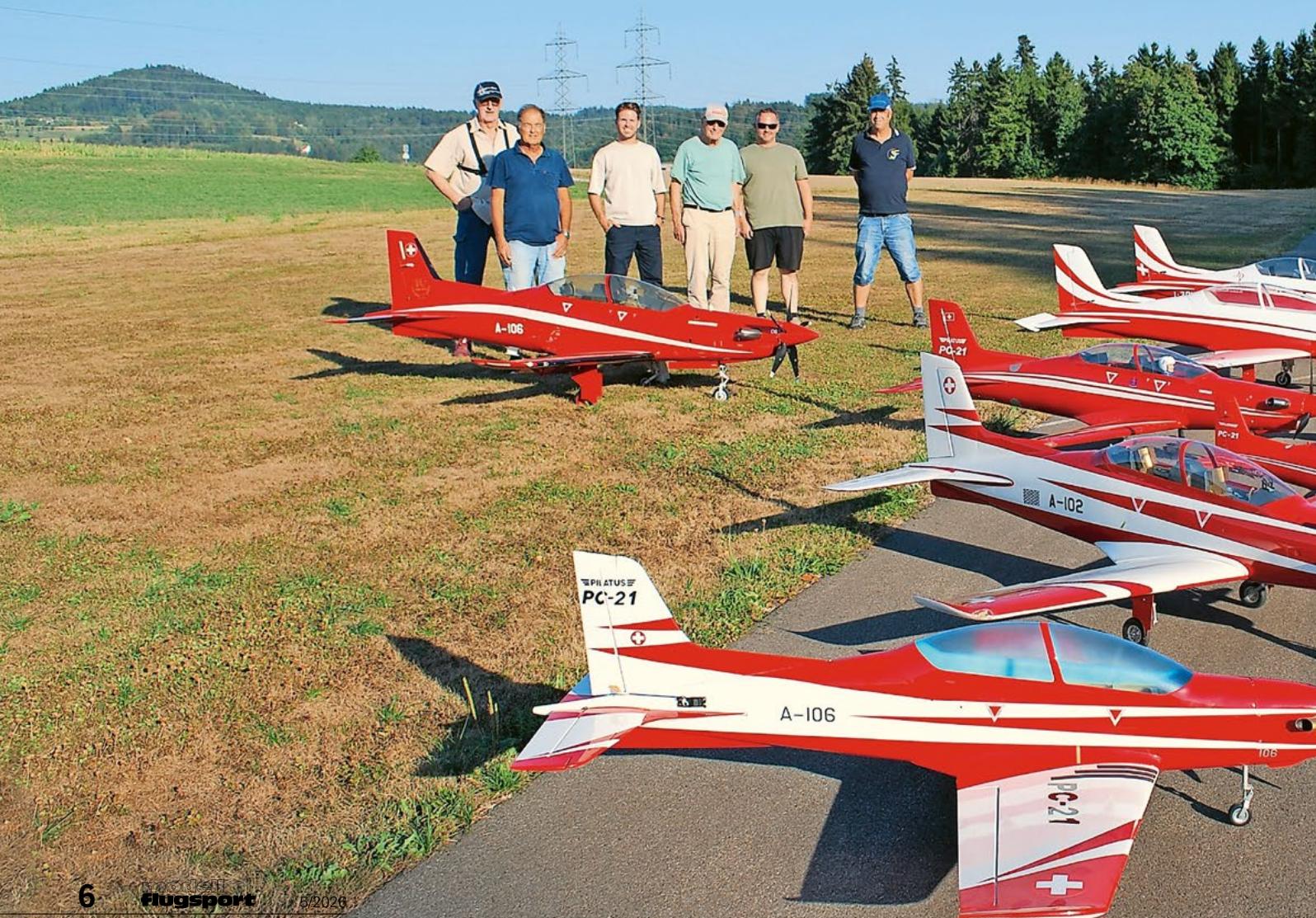
THE PC-21 STORY
Emil Giezendanner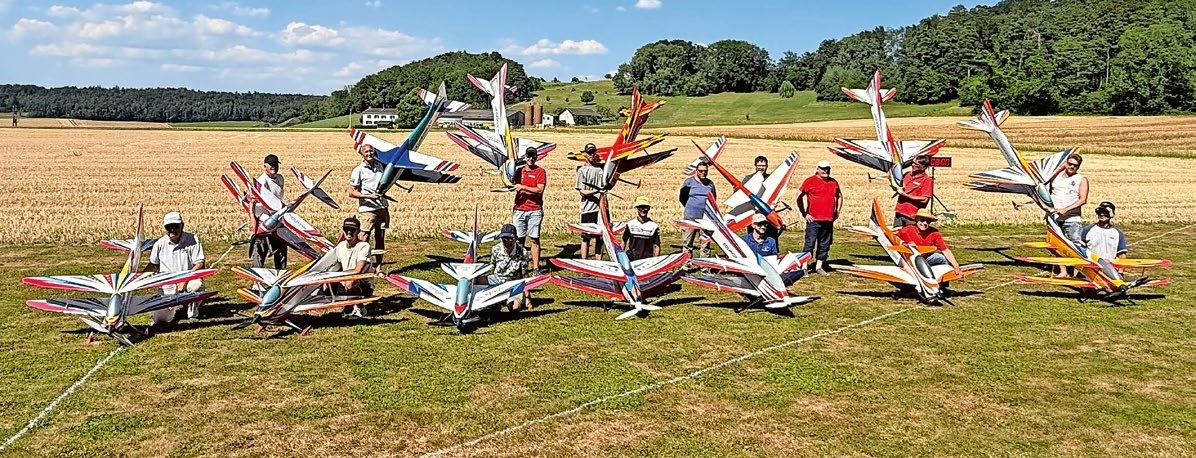
COUPE DES ALPES – OBSERVE AND LEARN
Rodito Nussbaumer
NEWS FROM HEBU
 Julia Bucher
FROM 0 TO 100
Markus Nussbaumer
NOS REGION – A HUB FOR ELECTRIC AVIATION
Emil Giezendanner
MEMORIES
Wolfgang Völler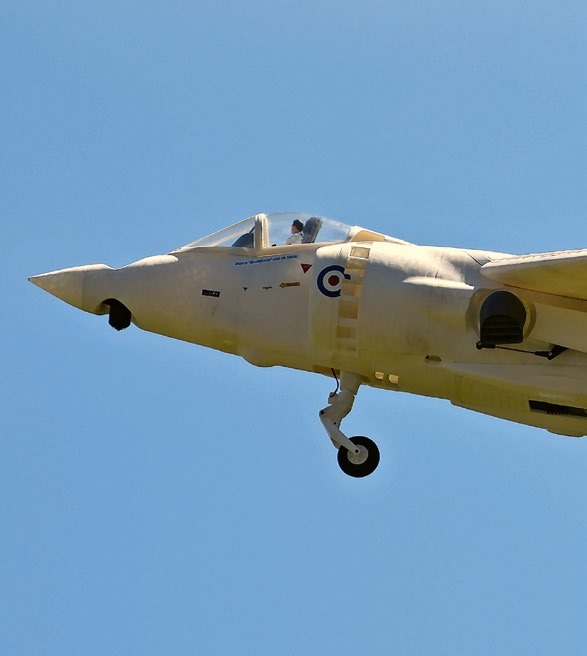
Have you almost forgotten about aircraft that take off and land vertically?
Emil Giezendanner
70 YEARS OF THE NIDWALDEN MODEL AIRPLANE CLUB
Martin Barmettler