
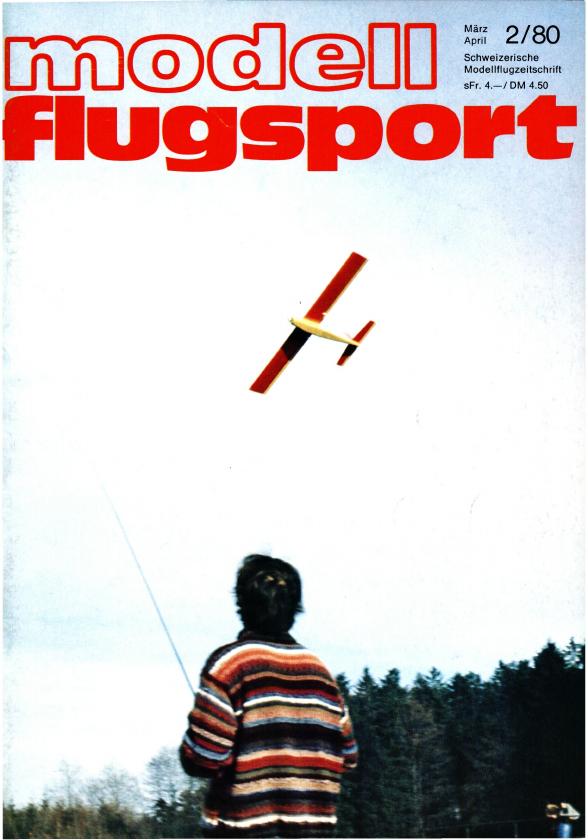
A four-stroke engine has the same number of parts as a two-stroke engine
Three and a half years ago, we realized what causes the most controversy in model aviation. In light of the latest noise control measures, our fears at the time turned out to be well-founded.
We then began to seriously address the issue of reducing engine noise. However, we soon realized that a two-stroke engine can only be throttled back at the cost of a significant loss of power. This, in turn, is a nuisance for model airplane pilots. Our efforts clearly showed that exhaust noise alone is not the root of the problem; rather, propeller noise is the primary issue. The propeller noise varies depending on the RPM and the model type. What gave us pause, however, was that exhaust noise ranked last.
Consequently, we shifted our focus to the propeller RPMs. Reduction gears are well known, but they draw too much power. So we had to find a solution that would still deliver as much power as possible at low RPMs.
The four-stroke engine seemed to be the solution here. But the power ratings of existing four-stroke engines with small displacements were so low that we recalled the system that was patented in Germany around 1910 but had never actually worked properly.
After many setbacks since we began in 1977, our efforts were rewarded in 1978–79 with a test run that purred to life right away at 7,000 rpm and produced about 0.5 PS. Now we saw that we were on the right track and were able to further develop this version. Today, these engines are capable of delivering approximately 0.7 PS at about 8,000–9,000 rpm. We performed a rough comparison calculation based on well-known rules of thumb.
If a (2-stroke) engine has a power output of 2 PS at 16,000 rpm and is operated at approximately 12,000 rpm,min, this results in a power output of 1 PS ($1/2$ rpm, $1/4$ power). At 12,000 rpm, the propeller has an efficiency of approximately 10%. This yields an approximate factor of 0.1 for the model. Our four-stroke engine delivers an effective power output of 0.7 PS at 8,000 rpm. At this RPM, the propeller’s efficiency is approximately 30%. Thus, we have a factor of 0.21 for the model.
This clearly demonstrates—even though the calculations were based on approximate values—the direction model builders should take to effectively reduce noise.
These were our considerations and the results we obtained from the tests.
Finally, here is a brief description of our engine. Our engine is a rotary-valve-controlled four-stroke engine and runs on a fuel mixture of methanol and approximately 3% synthetic oil.
The principle is as follows: In a cylinder liner, which is closed at the top by a base featuring only a special opening for the control function, a piston moves axially (as in a gasoline engine). The cylinder liner is driven by the crankshaft via a bevel gear. The ignition system is a standard glow plug ignition.
This system made it possible to incorporate a cooling system that cools the cylinder directly. The simple design resulted in the same number of individual parts as in the familiar two-stroke engine.
These engines will be available at specialty retailers starting this spring.
The author of this report is happy to answer any questions to the best of his ability. You can send your inquiries to the following address:
D. B. Motoren, P.O. Box 9, 9242 Bichwil
News from HEBU
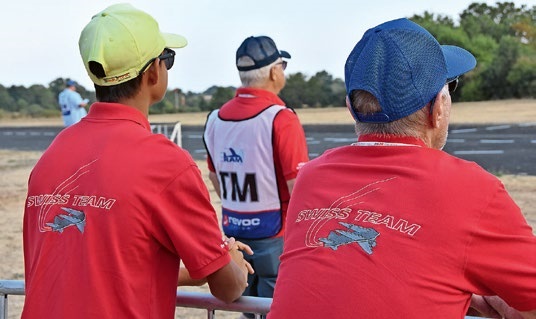
TEAM MANAGER "THIS" BOSSHARD
 Rodito Nussbaumer
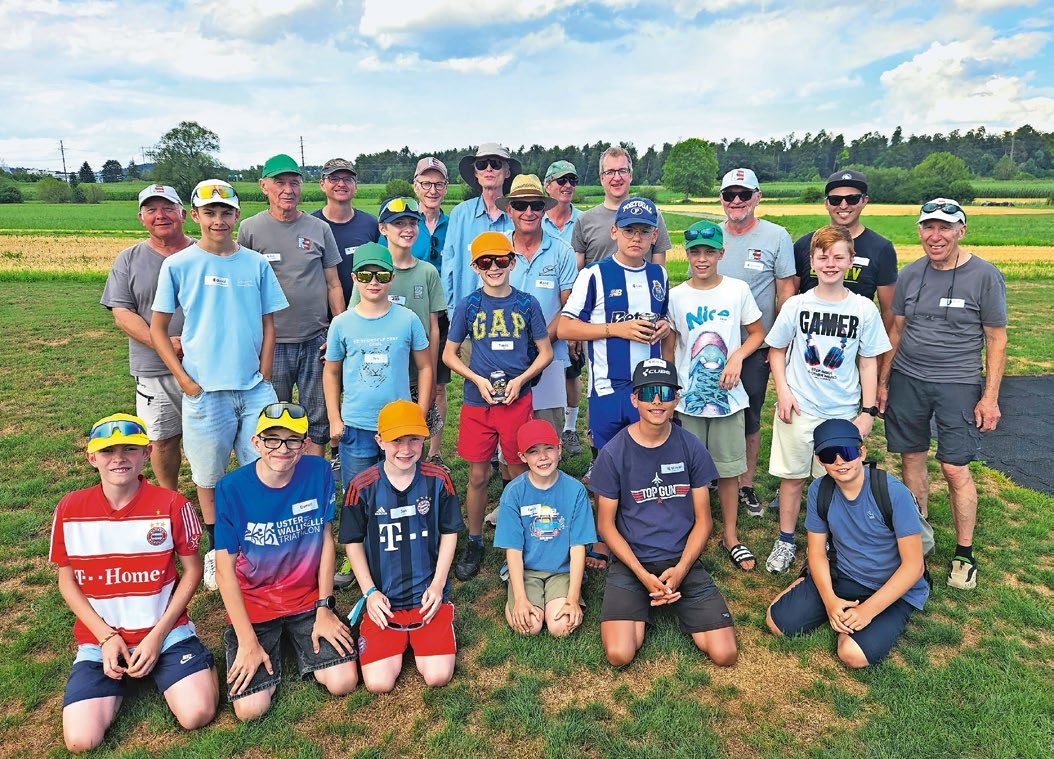
SUMMER FUN 2026 AT MG USTER
Martin Wunderli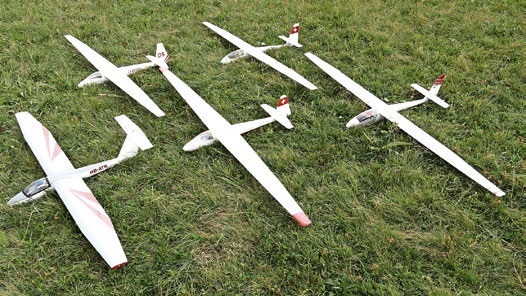
SMALL, MODEL-LIKE SAILBOATS
Res Dauwalder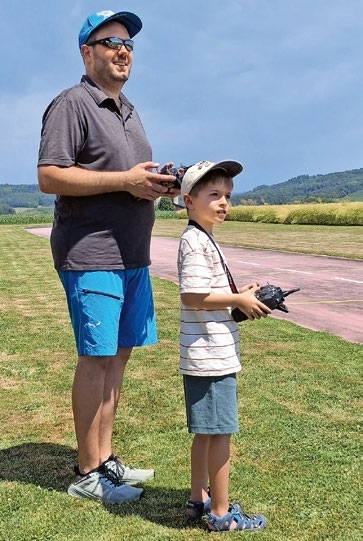
TRY-OUT DAY AT MFV WETTINGEN
Urs Keller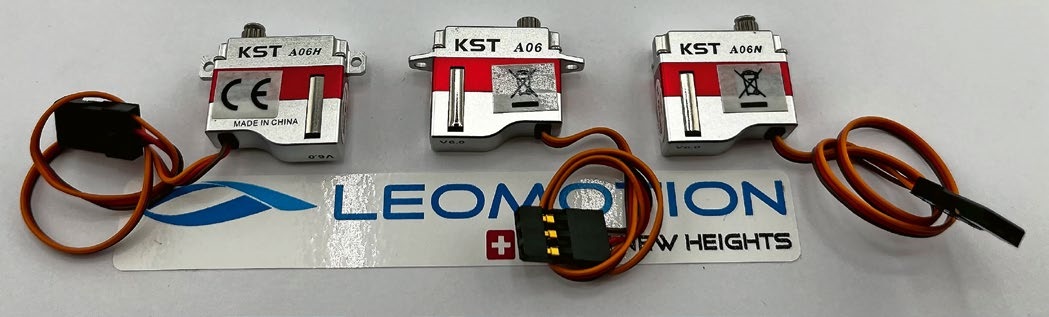
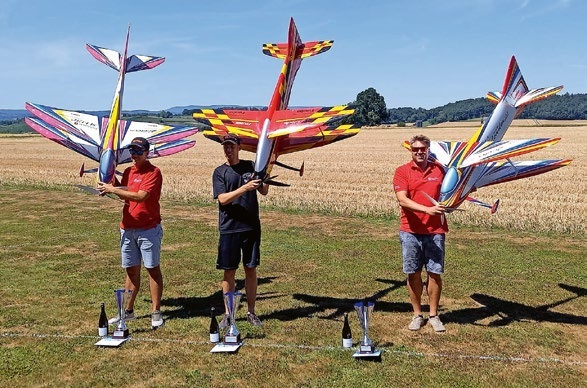
What's New at Leomotion.com
52. 2026 ALPS CUP
 Emil Giezendanner
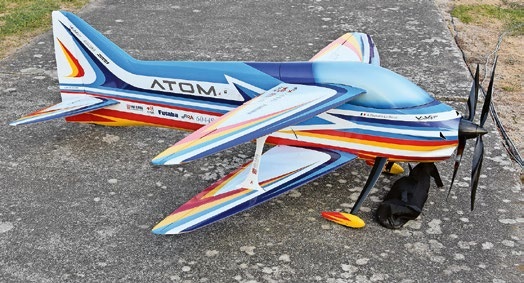
ATOM, THE NEW DOUBLE-DECKER FROM CPLR
 Matthias Bosshard
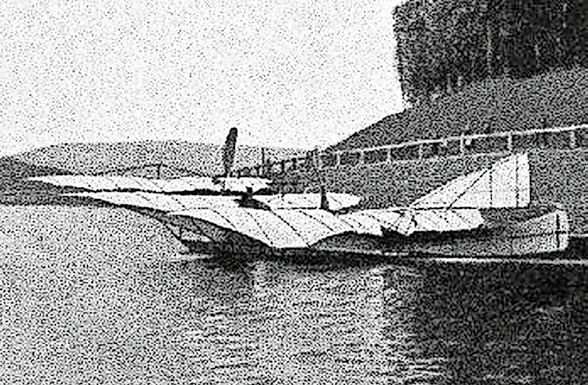
INSIGHTS INTO THE HISTORY OF SEAPLANES
YOU KNOW WHAT I MEAN? 125 YEARS OF THE SWISS AERO CLUB
Emil Giezendanner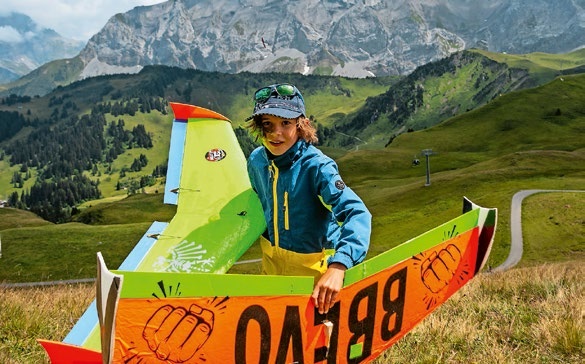
34th HAHNENMOOS ALPINE MODEL AIRPLANE CAMP
Res Dauwalder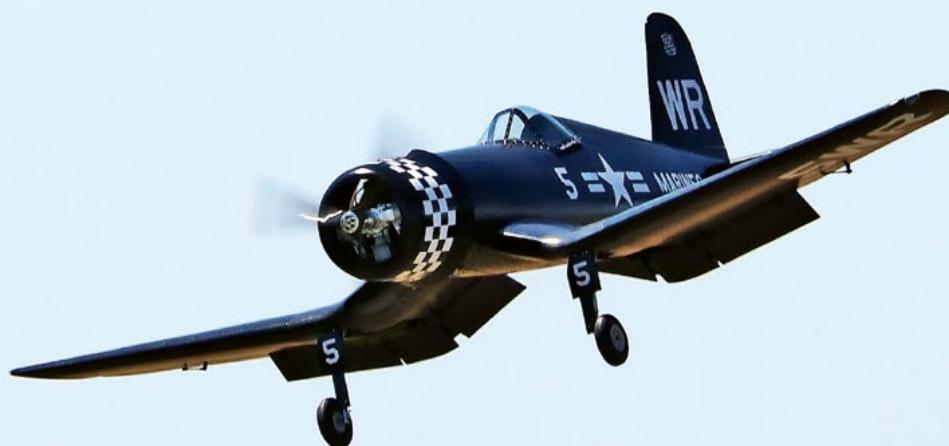
CORSAIR F4U – A WARBIRD WITH A MEMORABLE LOOK
Jürgen Rosenberger, Jürgen Prinz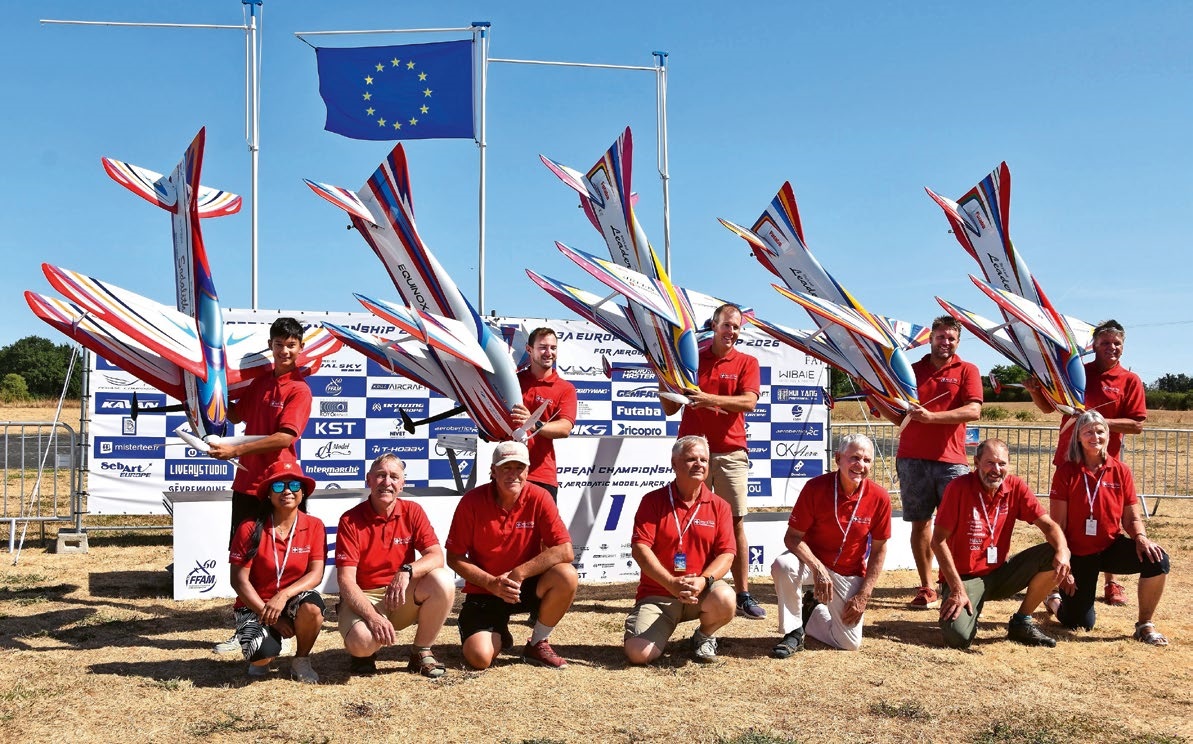
F3A EUROPEAN CHAMPIONSHIPS IN ST-MACAIRE, FRANCE
Matthias Bosshard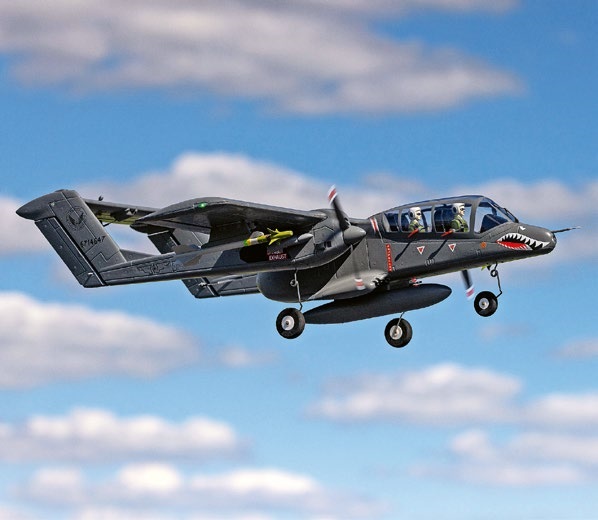
HORIZON HOBBY/LEMACO NEWS: MICRO OV-10 BRONCO 645 MM BY E-FLITE

PRIDE AND GOOD IDEAS
 Markus Nussbaumer
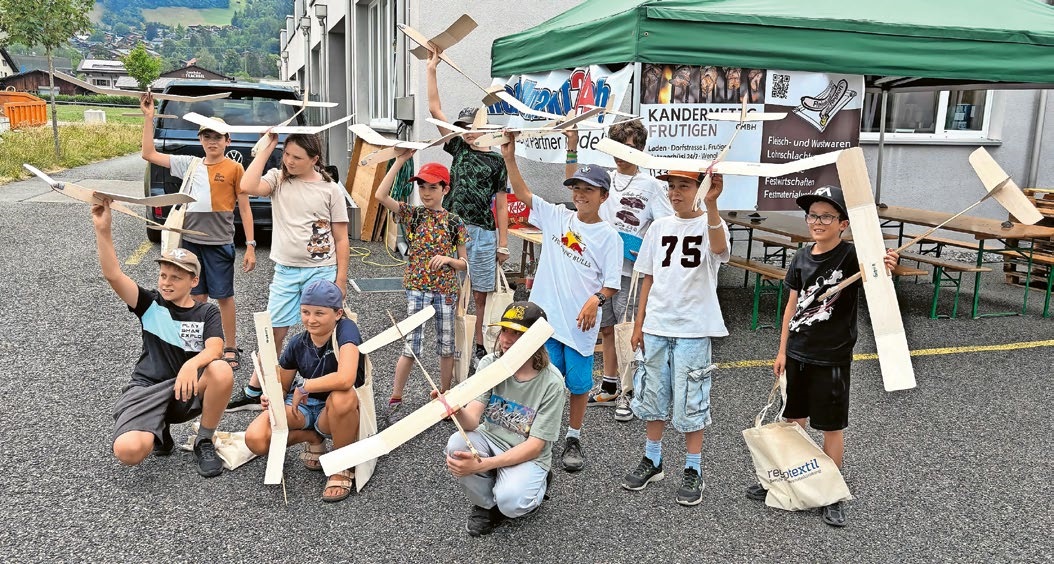
BY YOUTH, FOR YOUTH
Lorena Betschen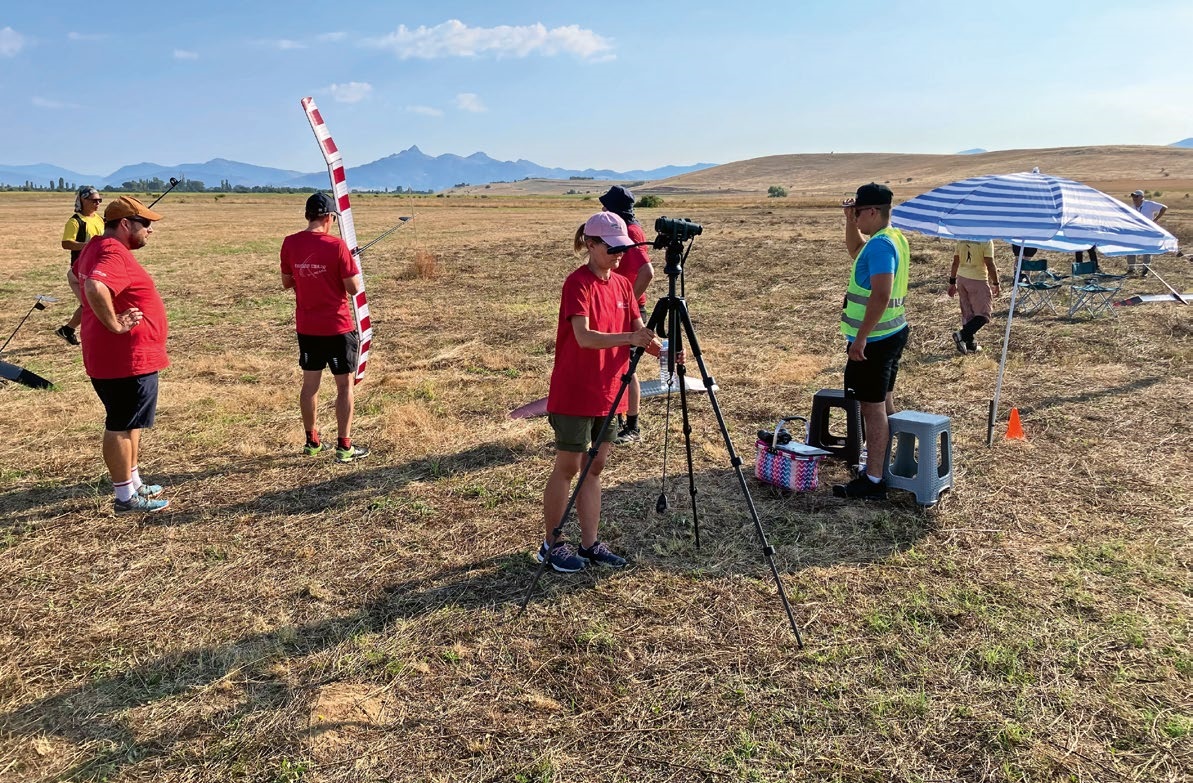
FREE FLIGHT IN THE MIDDLE OF SUMMER
Urs Muntwyler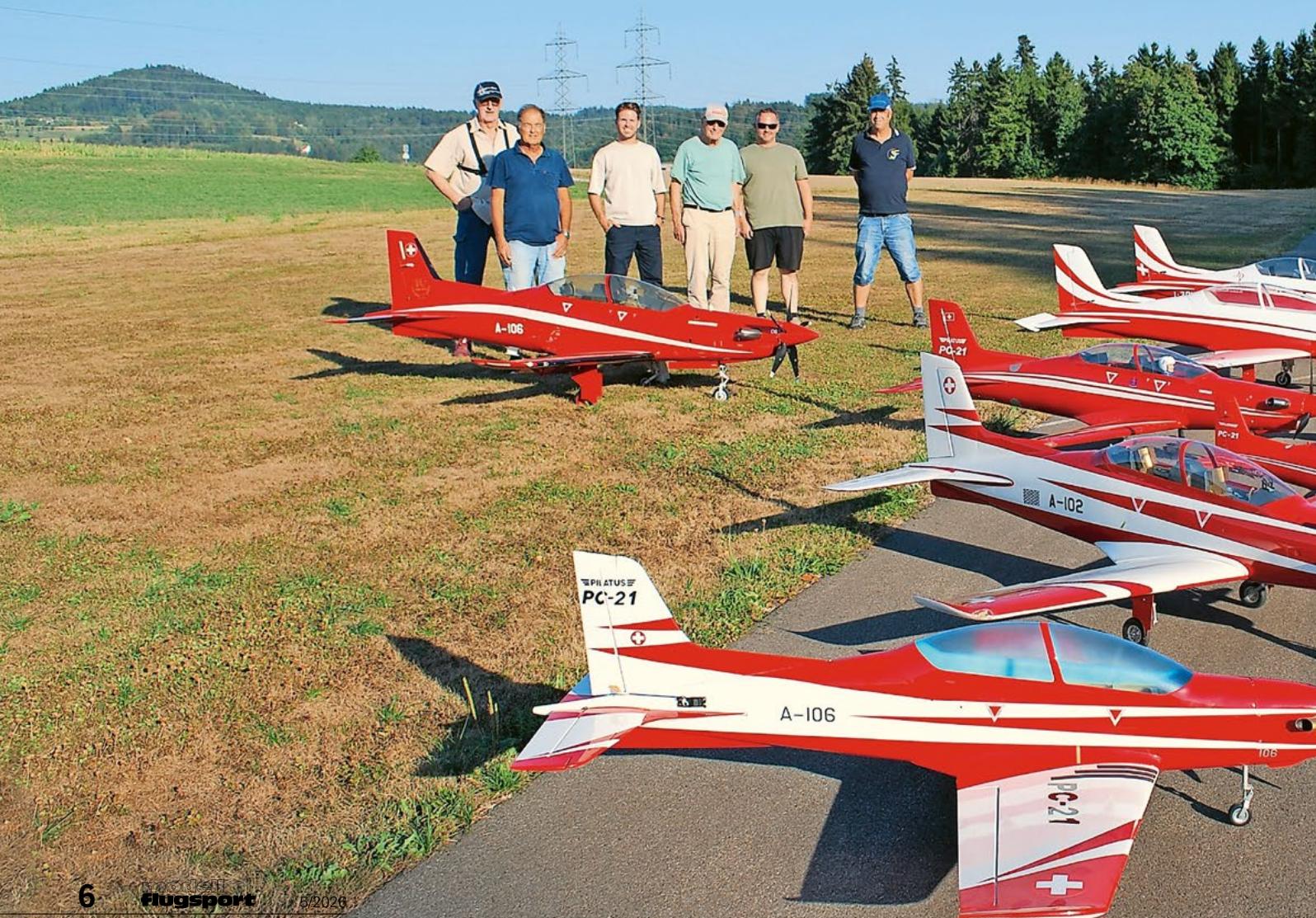
THE PC-21 STORY
Emil Giezendanner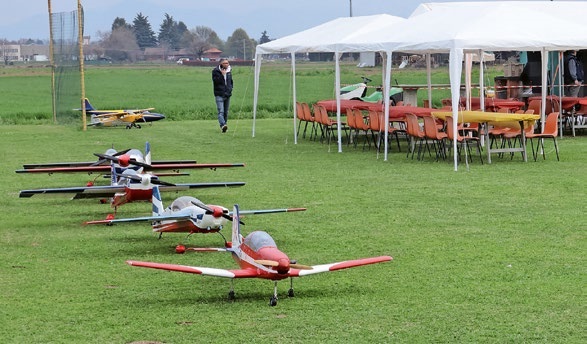
TWIN TOWN PARTNERSHIP
Wolfgang Voeller
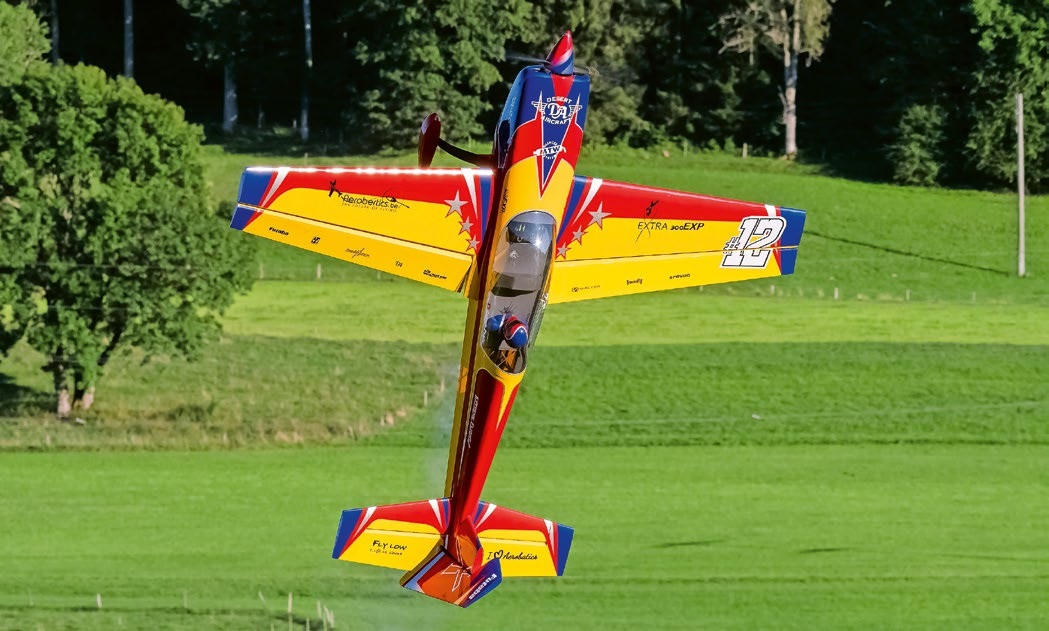
EURO CONTEST GLIDER ACRO TOUR AUSTRIA 2026
WELCOME, NEW MEMBER!
Andrea Bolliger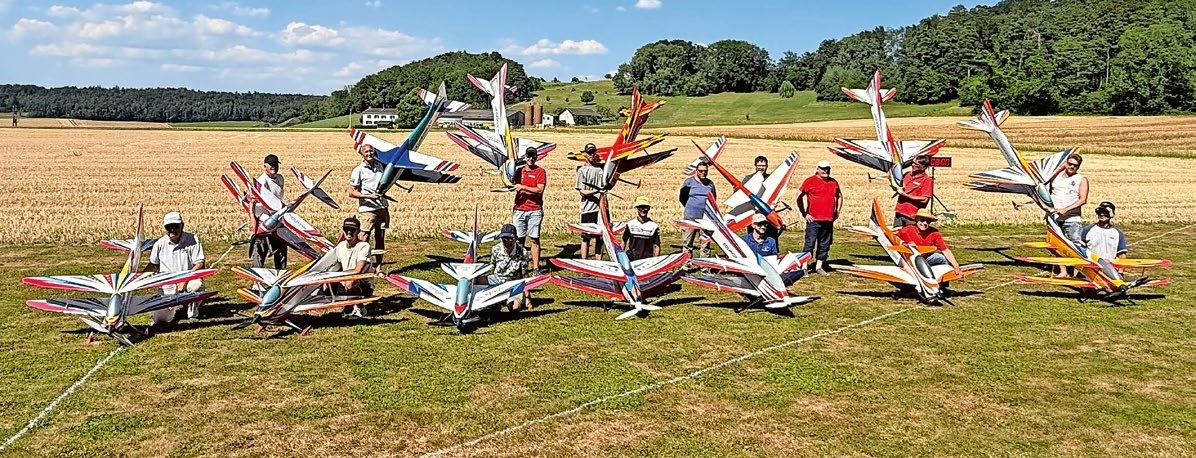
COUPE DES ALPES – OBSERVE AND LEARN
Rodito Nussbaumer
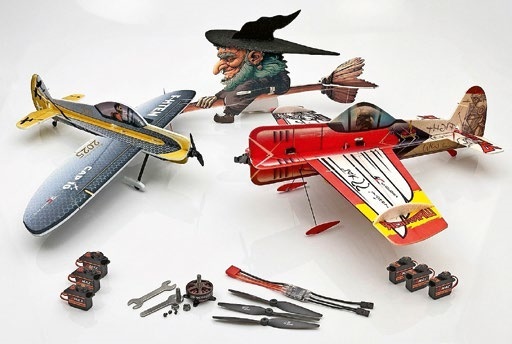
NEWS FROM HEBU
 Julia Bucher
FROM 0 TO 100
Markus Nussbaumer
MEMORIES
Wolfgang Völler
NOS REGION – A HUB FOR ELECTRIC AVIATION
Emil Giezendanner
Have you almost forgotten about aircraft that take off and land vertically?
Emil Giezendanner
70 YEARS OF THE NIDWALDEN MODEL AIRPLANE CLUB
Martin Barmettler