
Swiss Akro Connection «goes» Rookie
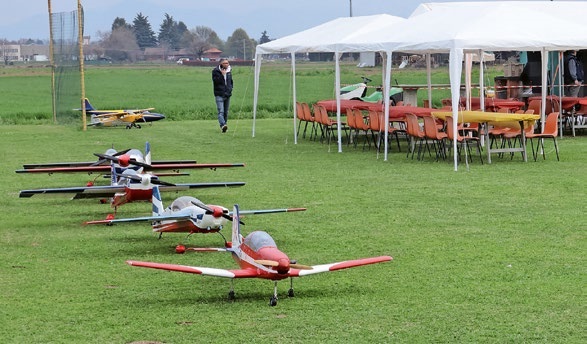
This article is for anyone who wants to do more with their glider than just circle the sky. Why not try flying some very simple maneuvers that can be performed with any glider? The Swiss Akro Connection organizes training opportunities and glider aerobatics competitions for scale model gliders.
Both the competitions and the training opportunities are focused on camaraderie and are designed to foster enjoyment of this wonderful hobby and build friendships that extend beyond the group’s boundaries. In the summer, training sessions are held every Thursday evening, and everyone is warmly invited to attend. Participation in the training sessions is free of charge. The schedule, which includes information on when and where training takes place, can be viewed on the website www.swissakro.ch. An SMS service is also available to keep you updated on the latest information. A judge is often present at the training sessions; they always have a few flight programs on hand and provide helpful support with tips and corrections. Beginners always have the opportunity to pick up many tips and tricks from helpful fellow pilots and judges. For each training session, tow pilots make themselves available with their tow planes to ensure that training runs smoothly. The glider pilot can determine the takeoff altitude themselves; the tow pilot ensures this using a built-in variometer.
There are often pilots who would like to fly along,
but don’t have the necessary equipment or skills to do so. The model is too small for the 400 to 500-meter launch altitude, the model isn’t designed for pure aerobatics, the pilot’s skills aren’t quite there yet, and so on. That’s exactly why the Swiss Akro Connection has decided to offer a beginner category. To truly give beginners and recreational pilots a chance, all glider models are permitted in this category—whether EPO, ARF, Superorchidee, F3B, F3J, etc., or homebuilt. The only requirements are a tow hook or a built-in motor and a variometer to reach the starting altitude of 300 m above ground level. The special beginner program, consisting of five maneuvers and the landing, takes all the critical points mentioned above into account and can be flown with any model. The maneuver positions are arranged along an axis in front of the pilot. For the start, you fly into the wind. In the middle, you fly a 360° circle. During this circle, the model should not change its attitude or pitch; continuous descent is permitted. After that, on the side
A half-roll descent (first a half-roll, then level off immediately). Then fly back to the center and perform a large, round loop. After that, head full throttle to the other side into a half-circle of 180°. Here, too, the model’s attitude and bank angle should not be changed (as with the circle). Now fly
back to the center to perform a nice roll. To land into the wind, fly another half-circle to the side (Figure 6) and then a straight line (Figure 7); both maneuvers are not scored. Finally, there’s the landing, which is again part of the scoring—phew, we made it.
| Figure Description: Beginners | 2013 PR | K | |
|---|---|---|---|
| 1 | 360° Circle Objective: Fly a circular path with a constant rate of descent and a constant wing bank angle |  | 8 |
| 2 | Downward Turn (half roll, followed by a pulled half loop) Objective: Roll without overshooting, short straight section, then a smooth half loop, straight to the next maneuver |  | 12 |
| 3 | Looping Goal: A smooth vertical circle, entry and exit at the same altitude, straight line to the next maneuver |  | 10 |
| 4 | Half Circle (180°, as wind correction) Objective: Half circle inward or outward, depending on the wind; steady descent and wing bank |  | 4 |
| 5 | Straight-line full roll Objective: Perform a roll without deviating from the direction, maintaining a constant rotation speed |  | 9 |
| 6 | Semicircle (not scored) Goal: Prepare to land into the wind |  | 0 |
| 7 | Straight (not scored) Goal: Preparation for a clean landing |  | 0 |
| 8 | Approach / Landing : Perform a ¼ circle to the crosswind approach; a short straight-ahead flight should be demonstrated (underside of the wing visible), followed by a ¼ circle, glide-in, and landing on the runway |  | 5 |
| Total K-factor (spatial layout and harmony are not scored) | 48 |
• The routine is flown from 300 meters.
• Figures 6 and 7 are not included in the scoring.
On April 27, 2013, the Wettingen Model Aircraft Club (http://www.modellflugwettingen.ch/) will host the joint regional championship for NOS, OST, and Central Switzerland, at which the beginner’s program will be flown for the first time. If you’re interested, you can
register at www.swissakro.ch. Anyone who’d like to practice a bit beforehand is welcome to join our Thursday training sessions. We’re always happy to see new faces. So see you on April 27, 2013, at MG Wettingen or at one of our Thursday evening training sessions. as
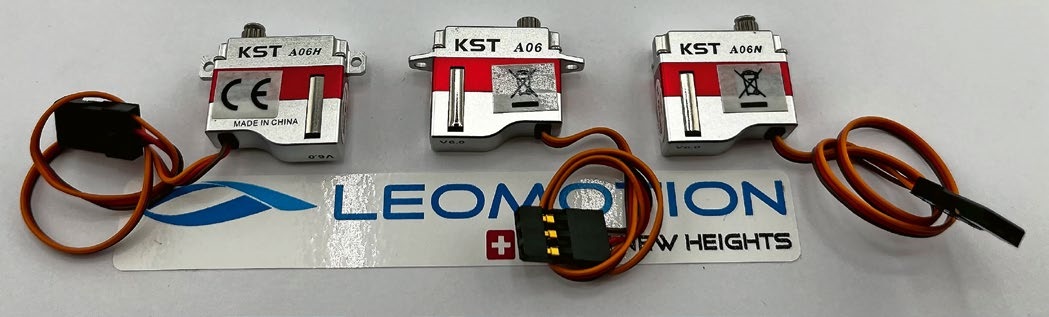
What's New at Leomotion.com
PRIDE AND GOOD IDEAS
 Markus Nussbaumer
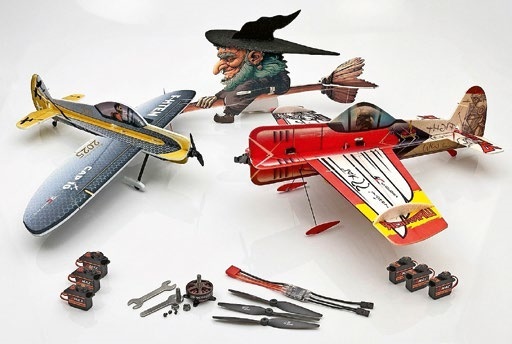
News from HEBU
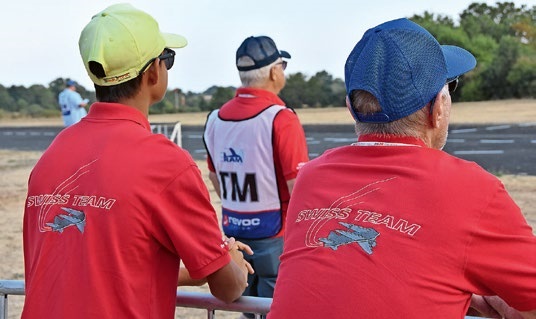
TEAM MANAGER "THIS" BOSSHARD
 Rodito Nussbaumer
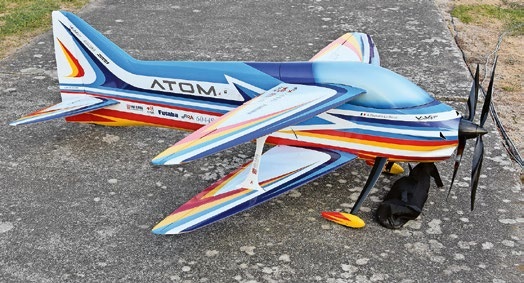
ATOM, THE NEW DOUBLE-DECKER FROM CPLR
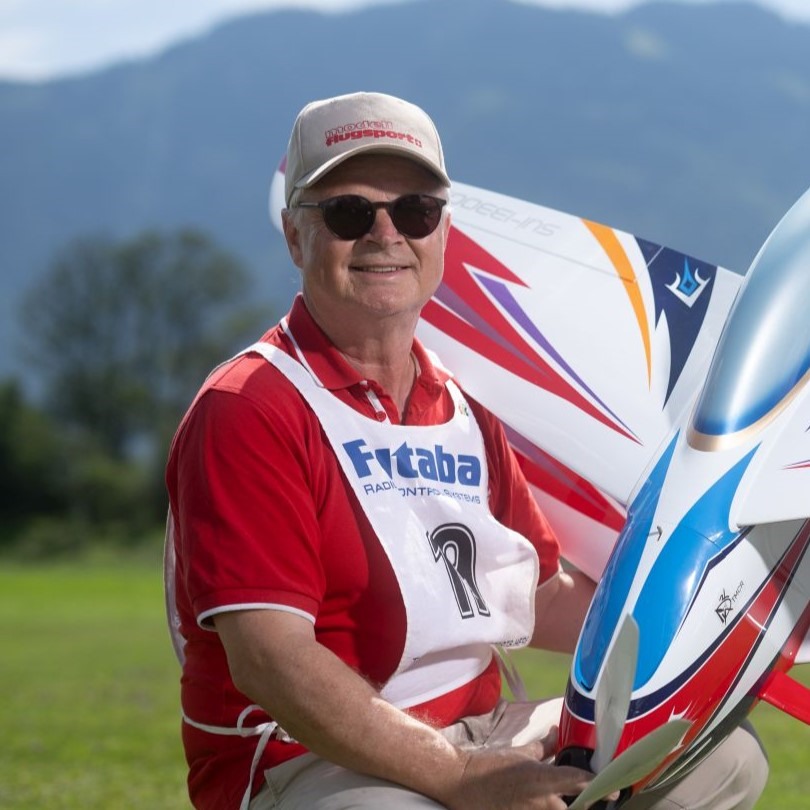 Matthias Bosshard
INSIGHTS INTO THE HISTORY OF SEAPLANES
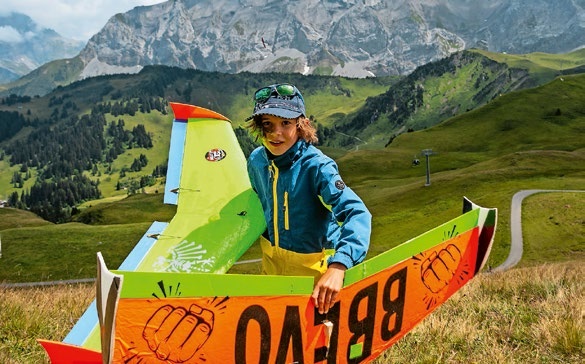
34th HAHNENMOOS ALPINE MODEL AIRPLANE CAMP
Res Dauwalder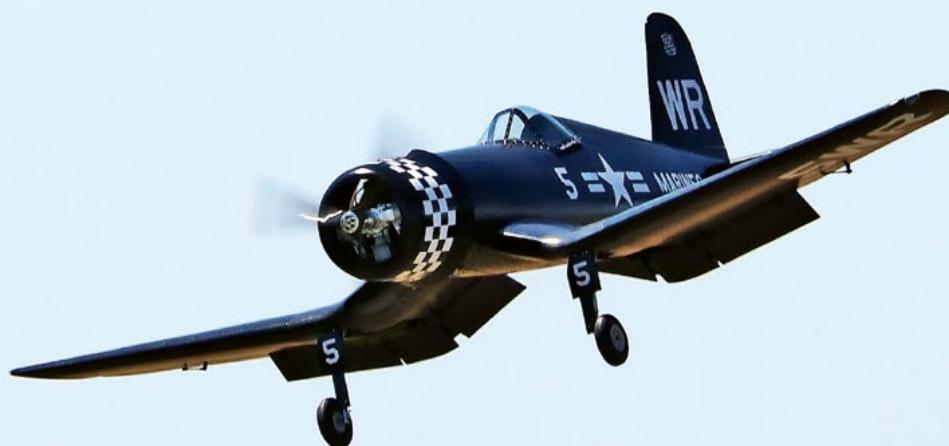
CORSAIR F4U – A WARBIRD WITH A MEMORABLE LOOK
Jürgen Rosenberger, Jürgen Prinz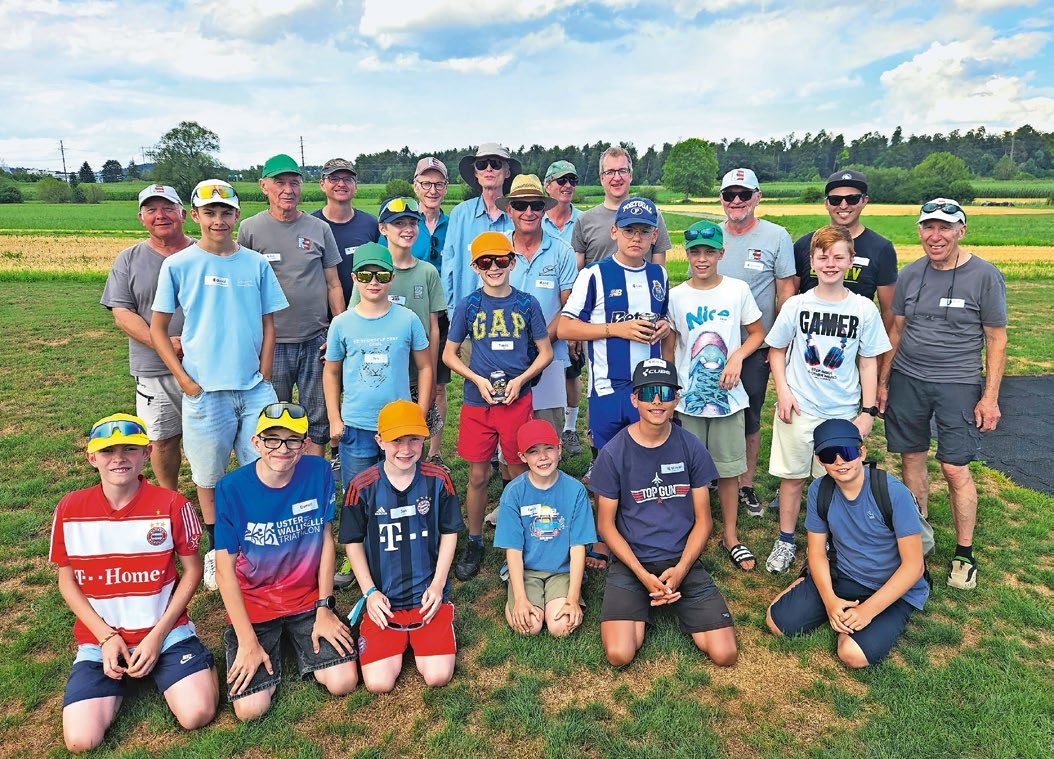
SUMMER FUN 2026 AT MG USTER
Martin Wunderli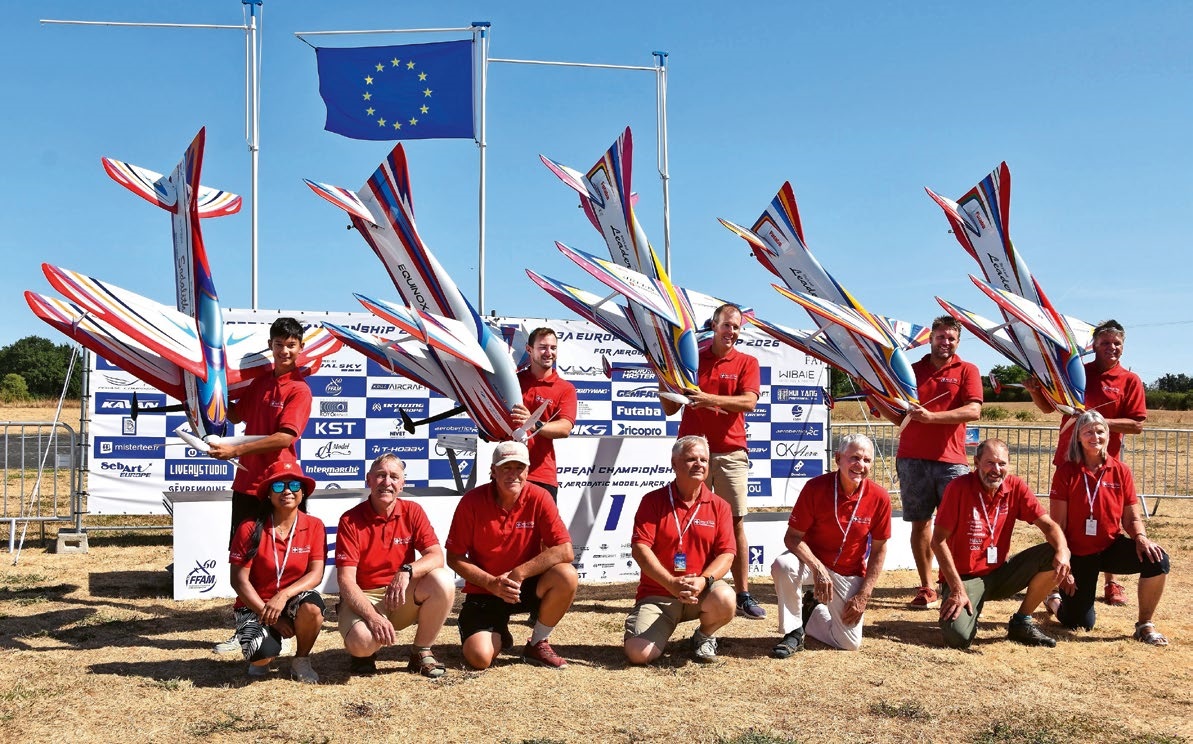
F3A EUROPEAN CHAMPIONSHIPS IN ST-MACAIRE, FRANCE
Matthias Bosshard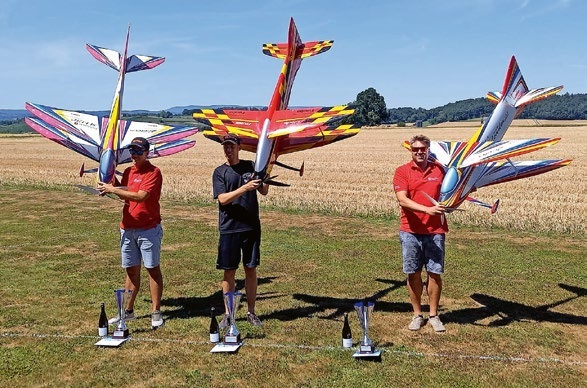
52. 2026 ALPS CUP
 Emil Giezendanner
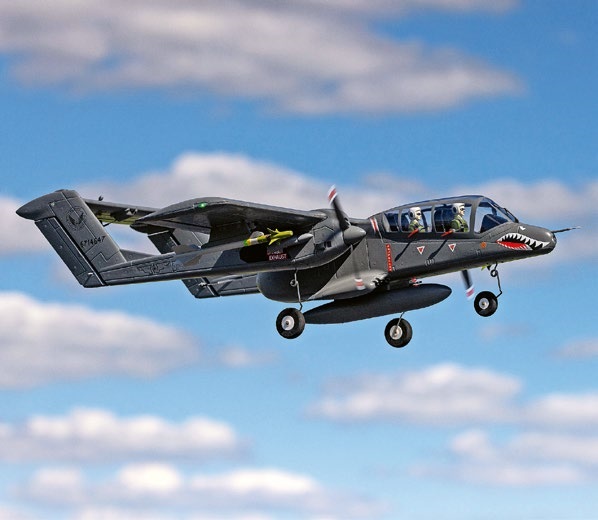
HORIZON HOBBY/LEMACO NEWS: MICRO OV-10 BRONCO 645 MM BY E-FLITE
TWIN TOWN PARTNERSHIP
Wolfgang Voeller
EURO CONTEST GLIDER ACRO TOUR AUSTRIA 2026
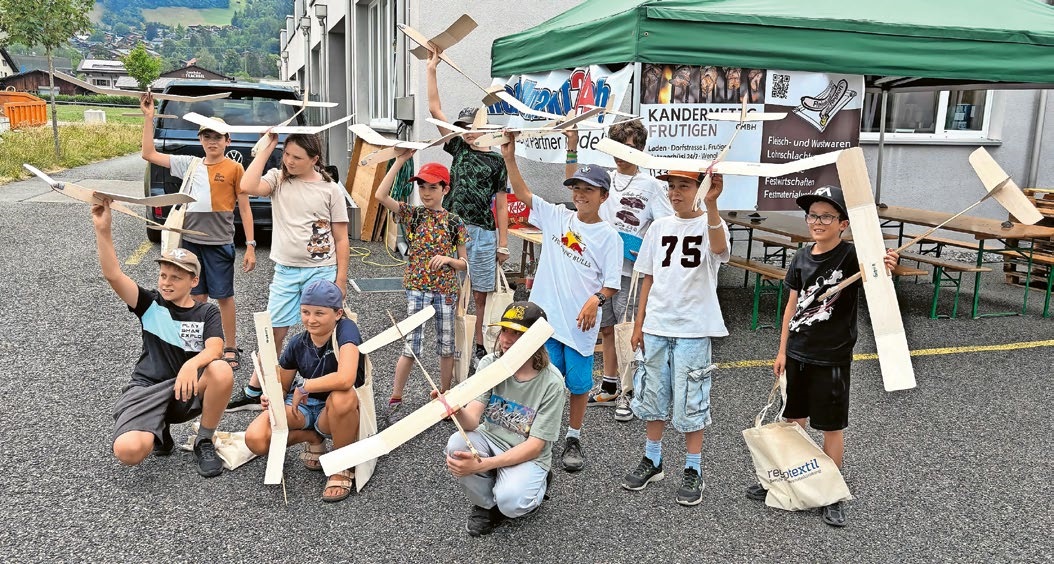
BY YOUTH, FOR YOUTH
Lorena Betschen
YOU KNOW WHAT I MEAN? 125 YEARS OF THE SWISS AERO CLUB
Emil Giezendanner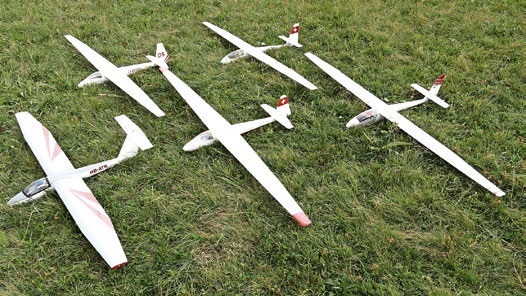
SMALL, MODEL-LIKE SAILBOATS
Res Dauwalder
TRY-OUT DAY AT MFV WETTINGEN
Urs Keller
WELCOME, NEW MEMBER!
Andrea Bolliger
FREE FLIGHT IN THE MIDDLE OF SUMMER
Urs Muntwyler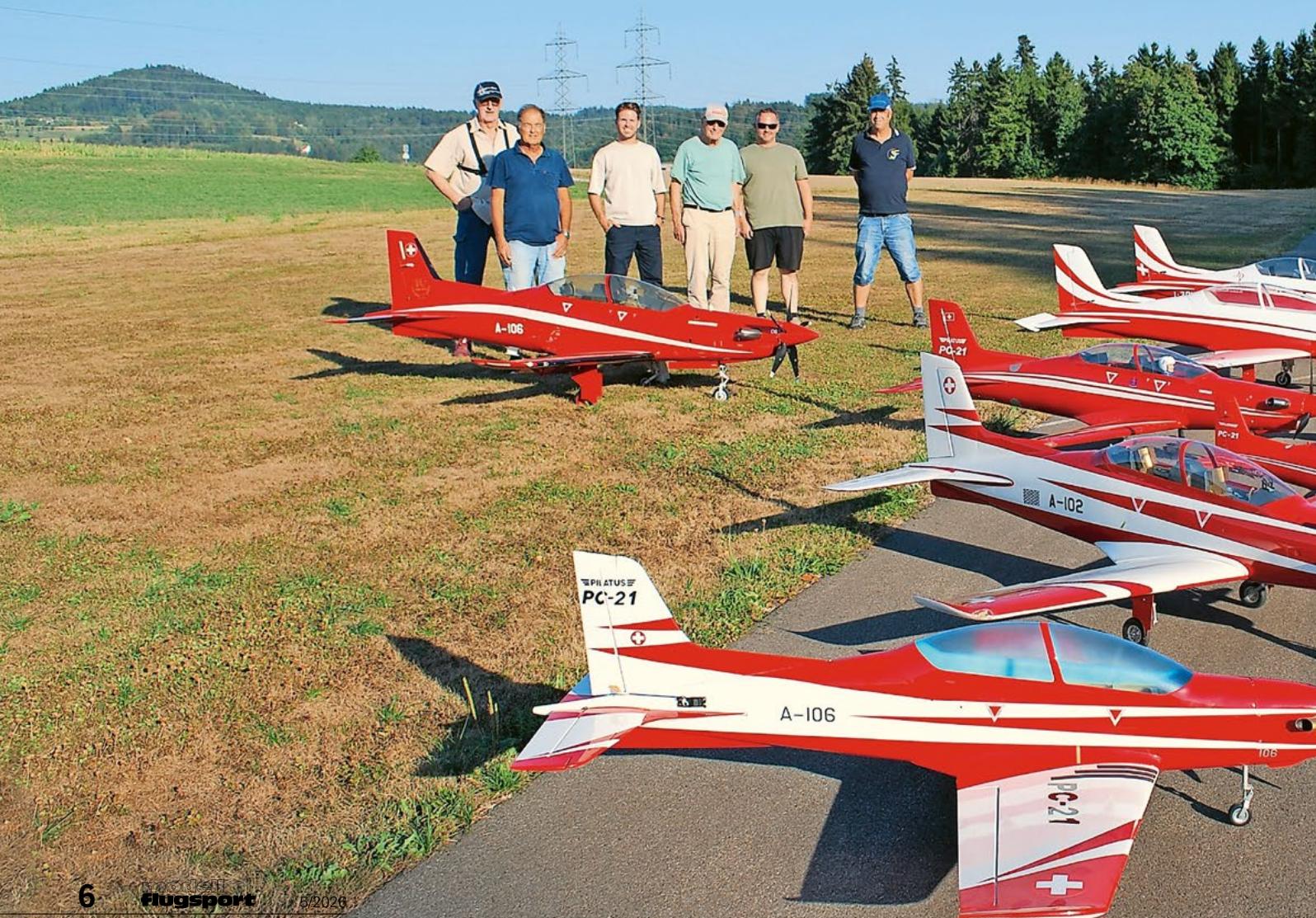
THE PC-21 STORY
Emil Giezendanner
COUPE DES ALPES – OBSERVE AND LEARN
Rodito Nussbaumer
NEWS FROM HEBU
 Julia Bucher
FROM 0 TO 100
Markus Nussbaumer
NOS REGION – A HUB FOR ELECTRIC AVIATION
Emil Giezendanner
MEMORIES
Wolfgang Völler
Have you almost forgotten about aircraft that take off and land vertically?
Emil Giezendanner
70 YEARS OF THE NIDWALDEN MODEL AIRPLANE CLUB
Martin Barmettler