
When Regulations Hinder Progress
Dear Reader
Rules, regulations, and laws are intended to create a relatively level playing field and provide equal opportunities for individuals, both in everyday life and in the world of sports. The fact that this cannot always be achieved completely is inherent in the nature of things—or rather, in human nature itself. The myriad temptations and attempts to gain even a small advantage for oneself are almost limitless; taking it a step further would lead to criminal activity. In sports, unfortunately, more and more massive doping networks have come to light in recent years—the ugliest face of a sport that is far too dependent on the financial support of sponsors. The rule—which, unfortunately, is still not discussed enough—is this: The more money that flows into a sport, the more its independence is at risk.
Fortunately, model aviation has so far been spared the dubious blessing of large financial contributions. However, forces are at work today—especially on the international stage—that are dividing model aviation into two categories: On the one hand, a sport that’s more appealing to spectators, designed to attract sponsors and generate revenue; and on the other, the idealistic approach, which I’d like to briefly call “sport for sport’s sake”—where the motivation stems from the joy of the activity itself, whether for one’s own satisfaction or in competition with others. The world of international model aviation is largely overseen by the International Aeronautical Federation (FAI), whose Commission for International Aeromodeling (CIAM) is responsible for updating the regulations. Unfortunately, this rather bureaucratic work can also hinder technical progress. For example, RC glider pilots—with and without strings—fear electronic innovations such as variometers, stabilization systems, etc., more than the devil fears holy water. A similar situation can be observed in the F3A scene regarding gyros. Meanwhile, RC electric glider pilots have a long tradition of using electronic systems and view a ban on such technology as a step toward becoming a museum piece. Our youth are growing up with all these innovations, and miniaturization also makes enforcement nearly impossible. Well, ultimately, everyone must be convinced of their own rules. Things only get uncomfortable when one “faction” tries to impose its views on the other, so to speak. Anyone who seeks to hinder technical progress with rigid rules should also have to take responsibility for it—especially when the sport’s appeal to the younger generation is waning.
Best regards
Emil Ch. Giezendanner
The opinions expressed on this page by the editor—as well as by other authors of this issue—do not necessarily reflect the official position of the SMV. Readers can find official association announcements in the “SMV” section.
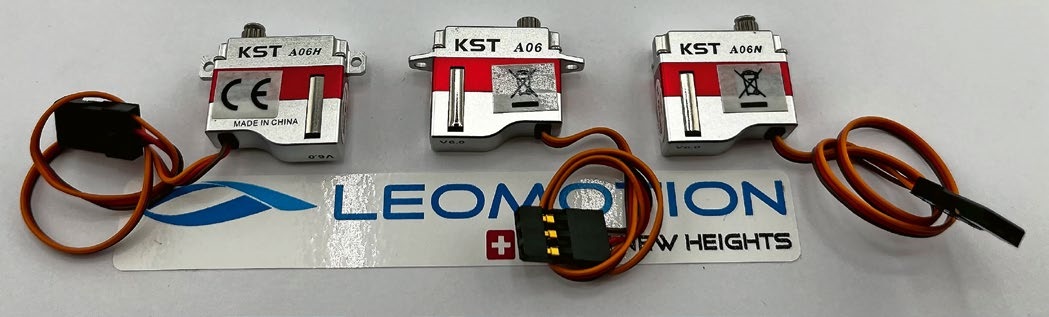
What's New at Leomotion.com

PRIDE AND GOOD IDEAS
 Markus Nussbaumer
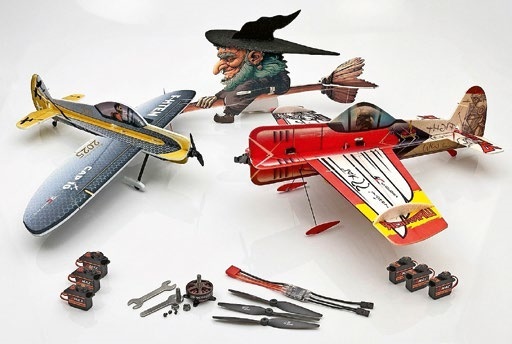
News from HEBU
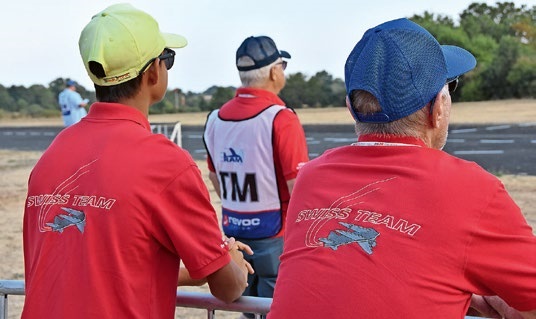
TEAM MANAGER "THIS" BOSSHARD
 Rodito Nussbaumer
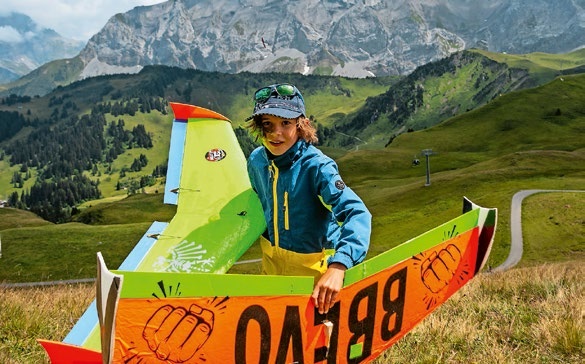
34th HAHNENMOOS ALPINE MODEL AIRPLANE CAMP
Res Dauwalder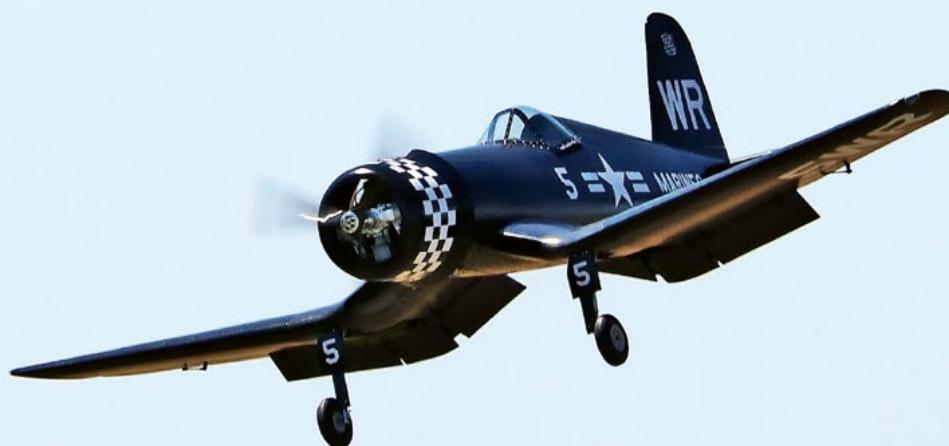
CORSAIR F4U – A WARBIRD WITH A MEMORABLE LOOK
Jürgen Rosenberger, Jürgen Prinz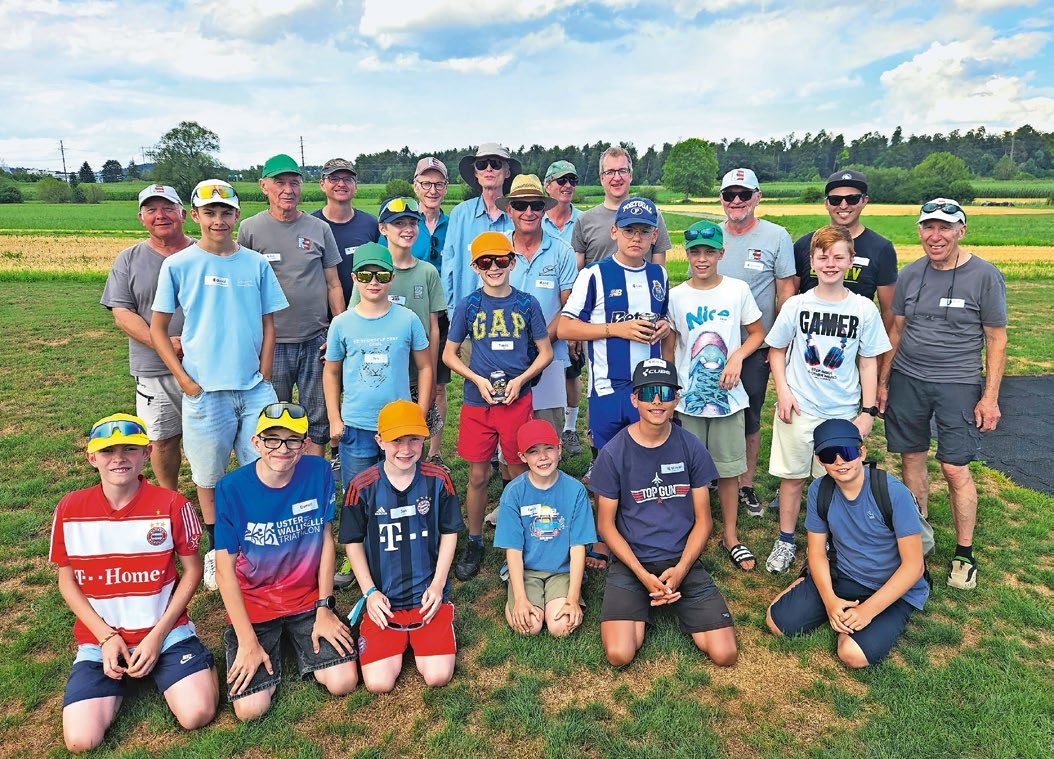
SUMMER FUN 2026 AT MG USTER
Martin Wunderli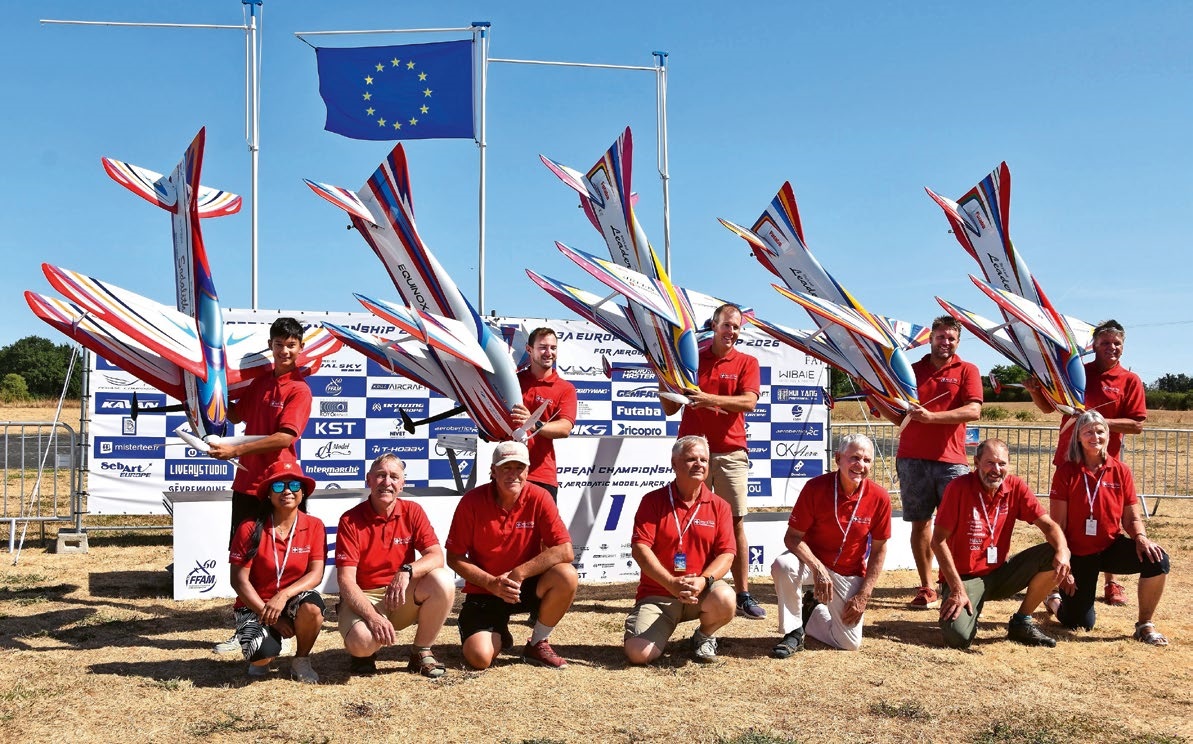
F3A EUROPEAN CHAMPIONSHIPS IN ST-MACAIRE, FRANCE
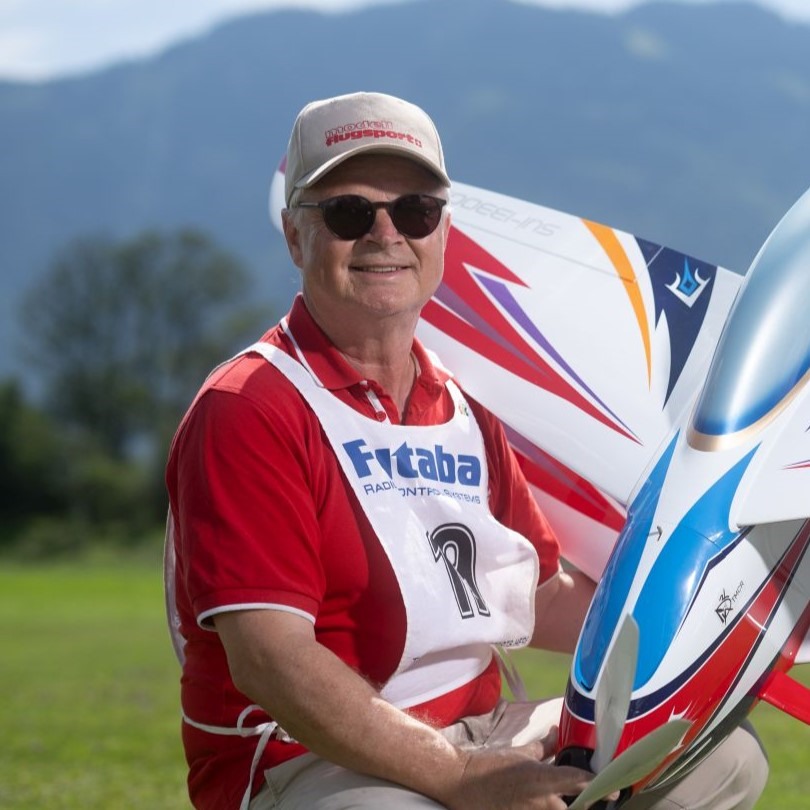 Matthias Bosshard
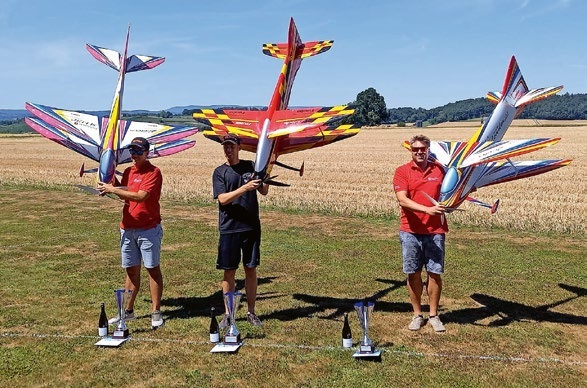
52. 2026 ALPS CUP
 Emil Giezendanner
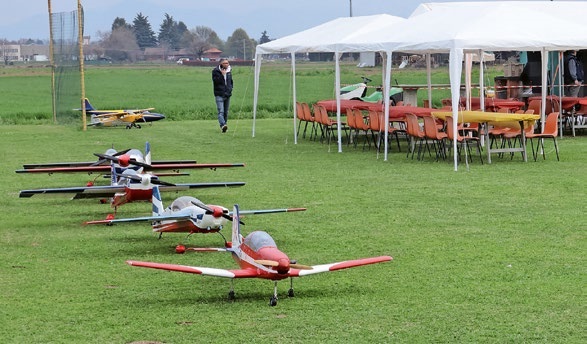
TWIN TOWN PARTNERSHIP
Wolfgang Voeller
EURO CONTEST GLIDER ACRO TOUR AUSTRIA 2026
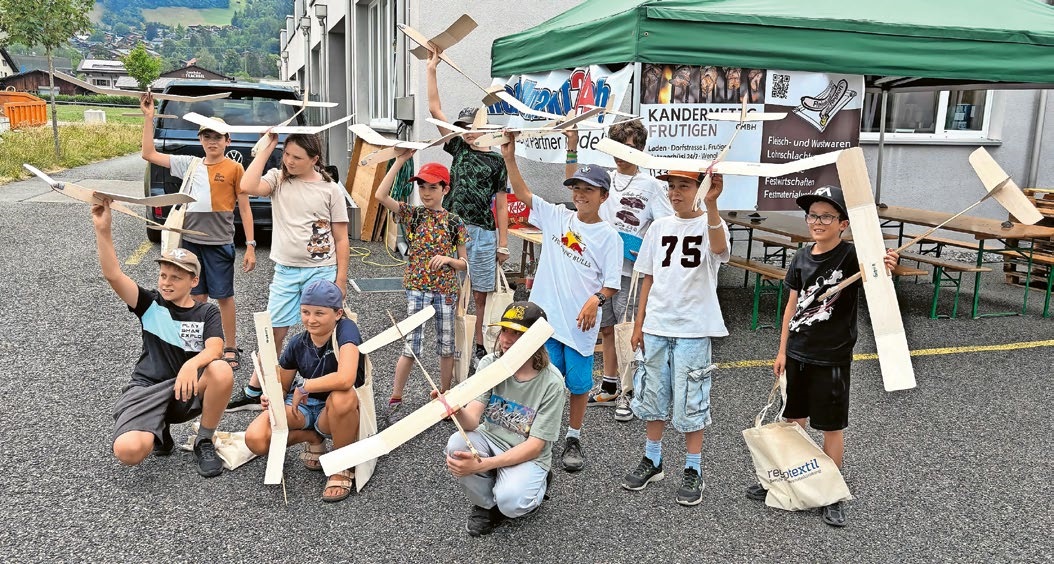
BY YOUTH, FOR YOUTH
Lorena Betschen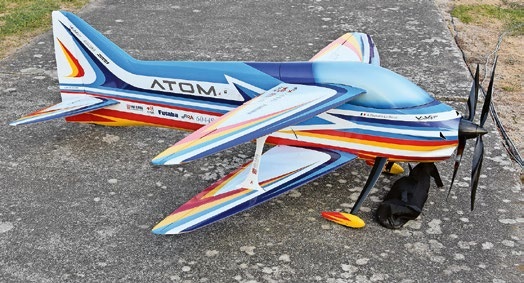
ATOM, THE NEW DOUBLE-DECKER FROM CPLR
Matthias Bosshard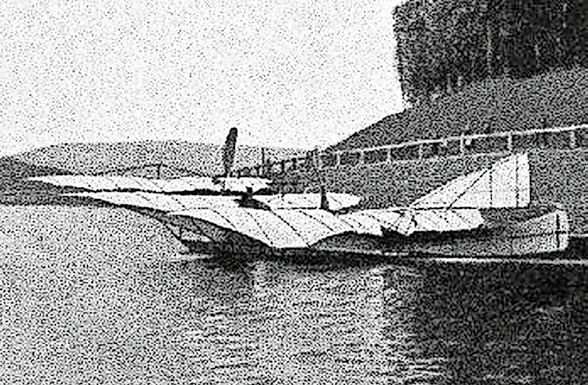
INSIGHTS INTO THE HISTORY OF SEAPLANES
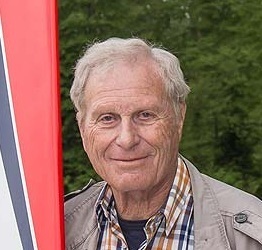
YOU KNOW WHAT I MEAN? 125 YEARS OF THE SWISS AERO CLUB
Emil Giezendanner
SMALL, MODEL-LIKE SAILBOATS
Res Dauwalder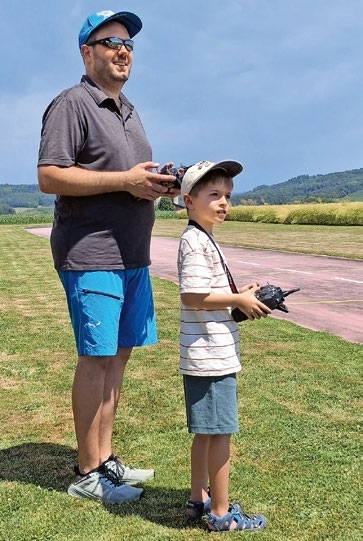
TRY-OUT DAY AT MFV WETTINGEN
Urs Keller
WELCOME, NEW MEMBER!
Andrea Bolliger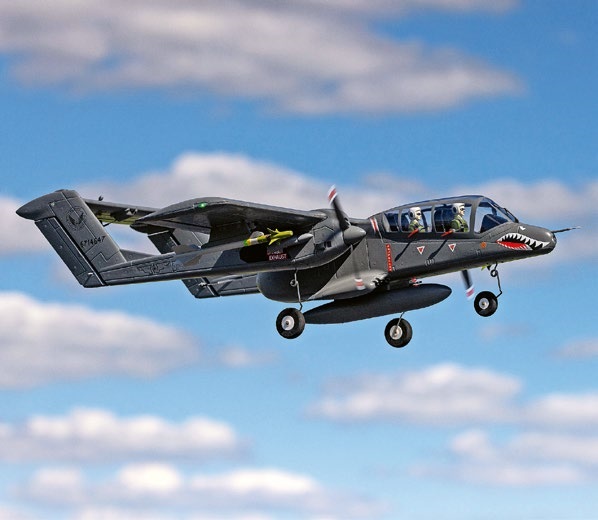
HORIZON HOBBY/LEMACO NEWS: MICRO OV-10 BRONCO 645 MM BY E-FLITE
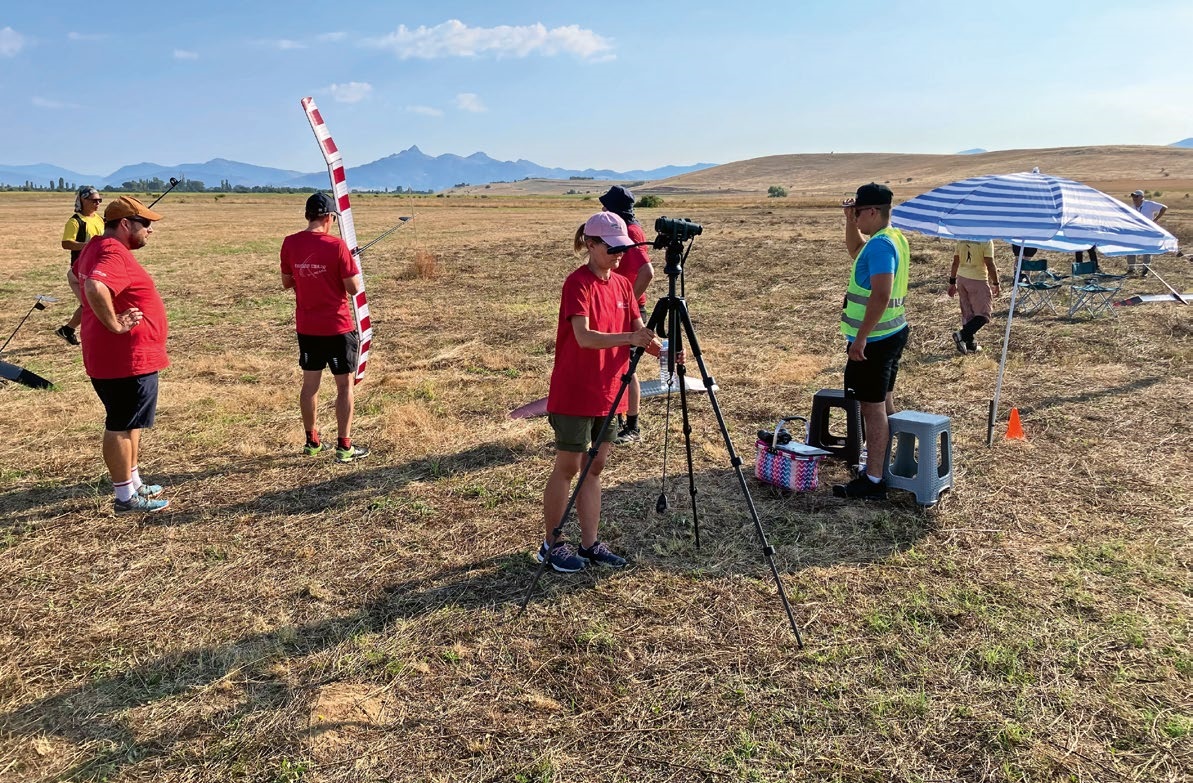
FREE FLIGHT IN THE MIDDLE OF SUMMER
Urs Muntwyler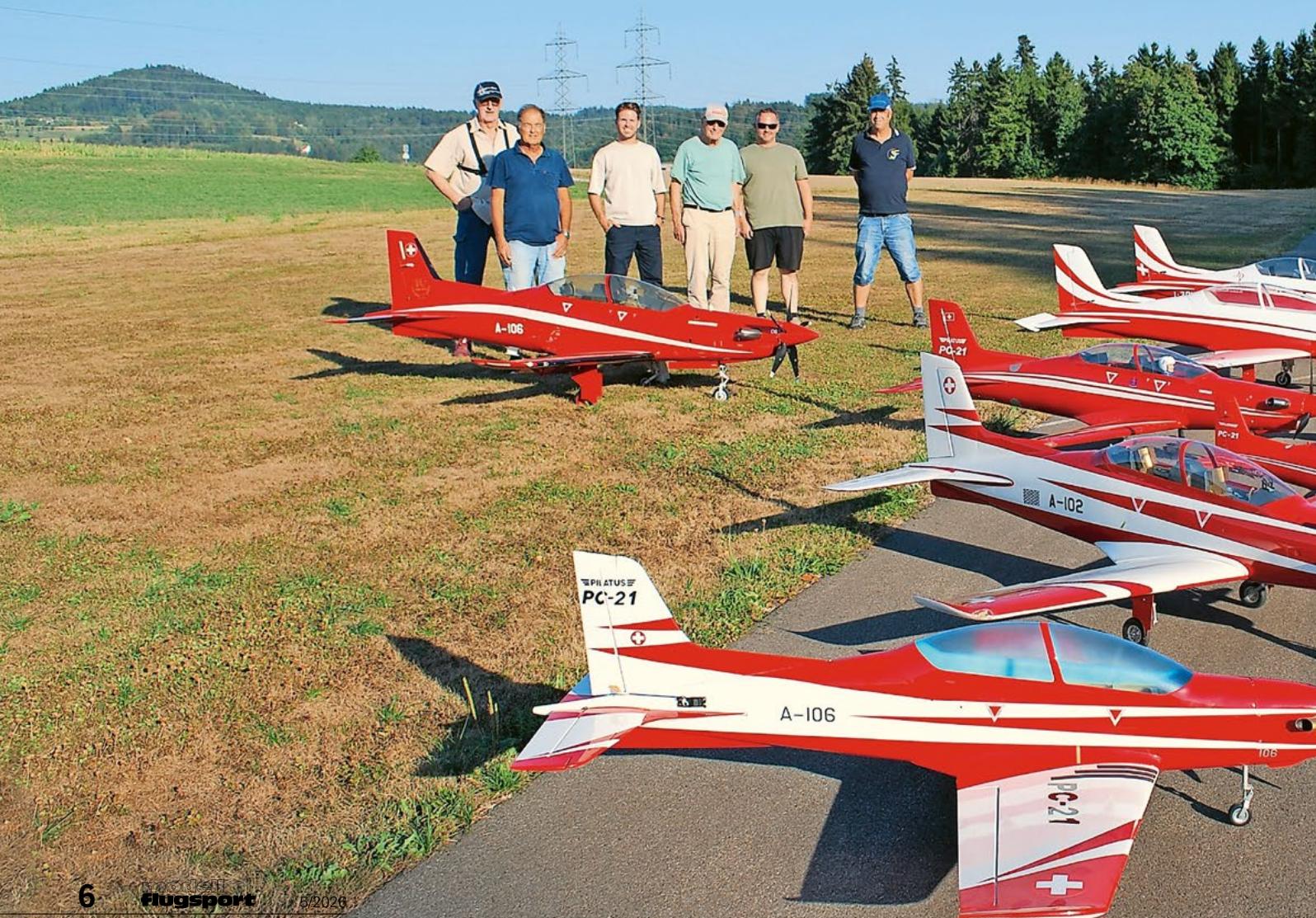
THE PC-21 STORY
Emil Giezendanner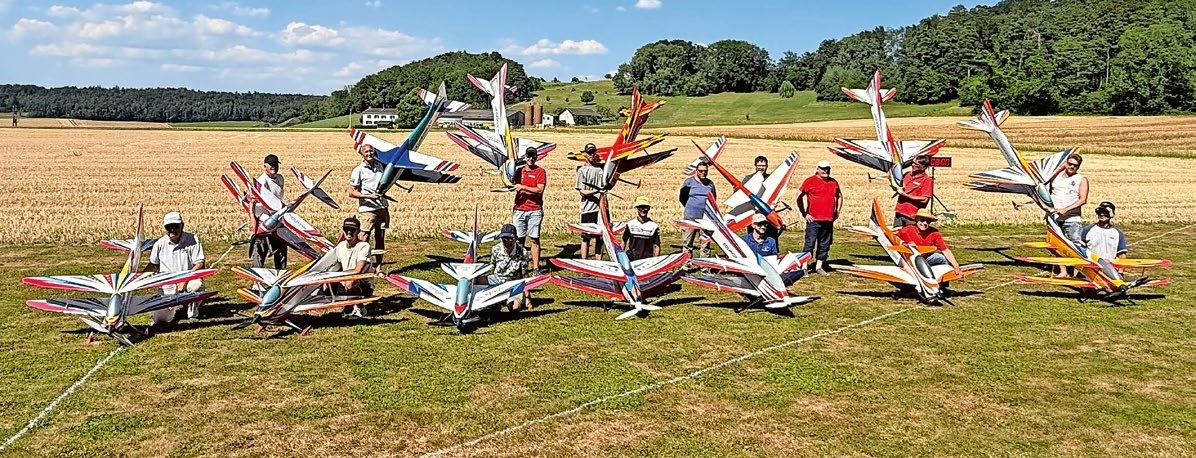
COUPE DES ALPES – OBSERVE AND LEARN
Rodito Nussbaumer
NEWS FROM HEBU
 Julia Bucher
FROM 0 TO 100
Markus Nussbaumer
NOS REGION – A HUB FOR ELECTRIC AVIATION
Emil Giezendanner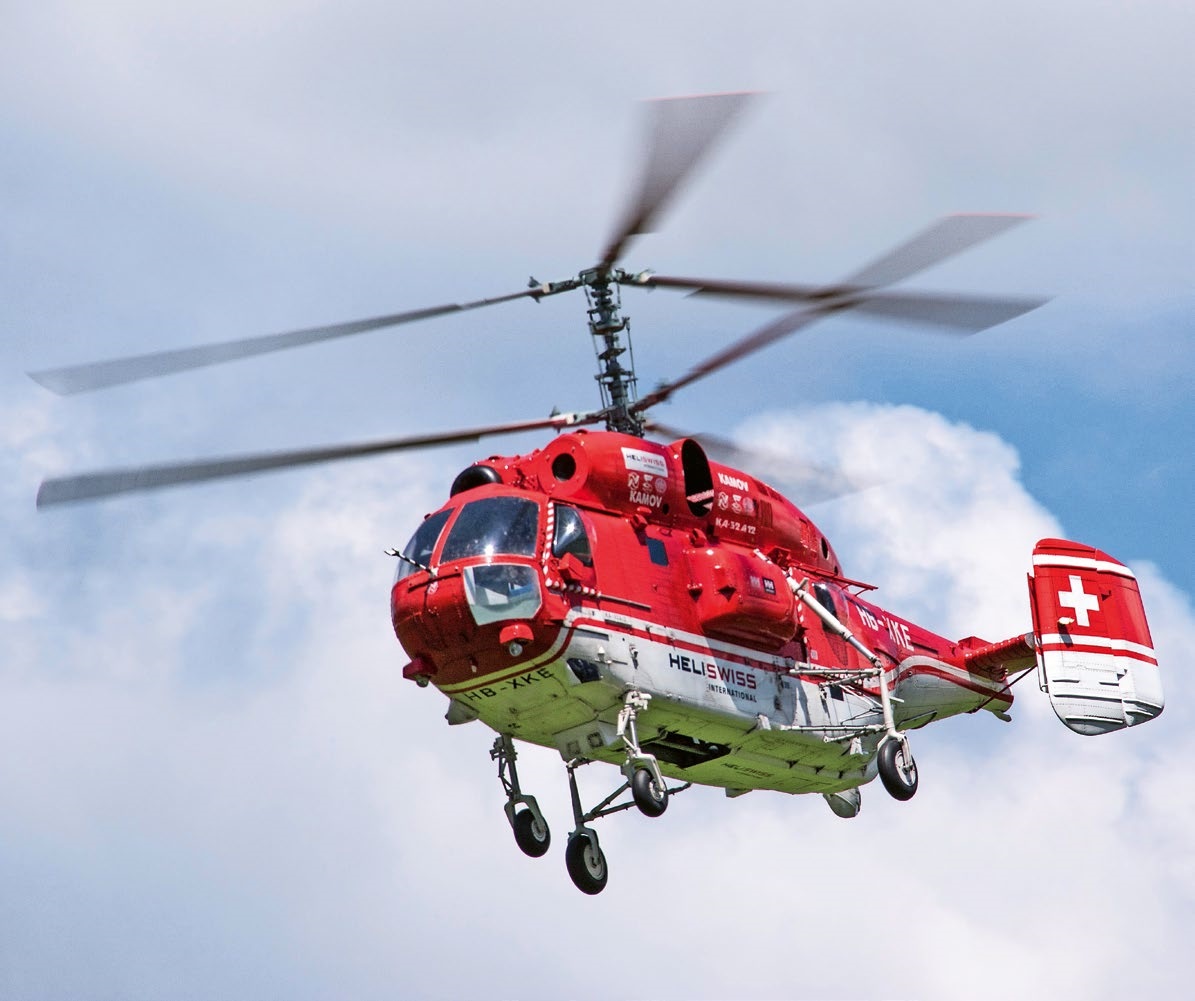
MEMORIES
Wolfgang Völler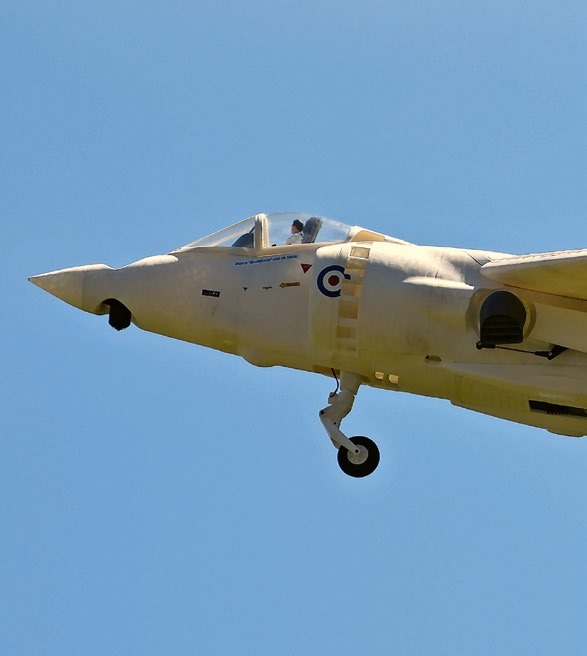
Have you almost forgotten about aircraft that take off and land vertically?
Emil Giezendanner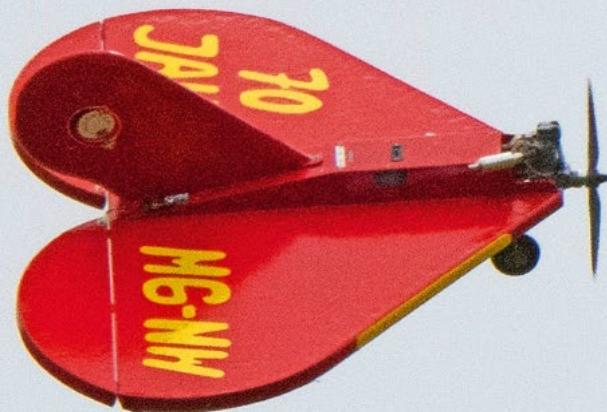
70 YEARS OF THE NIDWALDEN MODEL AIRPLANE CLUB
Martin Barmettler